



The round includes participation from a number of new and existing investors, notably lululemon, alongside KOMPAS VC, Happiness Capital, Extantia and Leitmotif.
The raise brings the company’s total capital secured to more than $50m.
Jacob Nathan, Founder and CEO of Epoch Biodesign, commented on the funding: “We’re delighted to announce the closing of this strategic funding round, which includes investment from both existing investors and exciting new partners.
“From the apparel industry, we’re proud to receive fresh backing from lululemon, an athletic wear brand known for innovation and quality.
“We also welcome Leitmotif, a deep tech investor with strong ties into the automotive industry, which is a key sector for Epoch.”
Building a textiles recycling demo plant
The investment comes as the business scales production from its pilot facility to a larger demonstration plant designed to validate commercial-scale output.
The funding also follows a recently signed memorandum of understanding with INVISTA, a major global producer of nylon 6,6.
Epoch said the new capital will be used to accelerate its global commercialisation strategy, as well as deepen partnerships across sectors including apparel and automotive.
The company is also nearing completion of its second and largest nylon 6,6 biorecycling facility to date, which is expected to support its transition from multi-tonne to multi-kilotonne production capacity.
Nathan added: “Nylon 6,6 is a key material for both apparel and automotive industries, but a circular solution has yet to be successful at scale.
“Support from partners such as these highlights Epoch’s momentum and will accelerate our plans to progress from multi-tonne production to multi-kilotonne scale.
“Very soon, recycled nylon 6,6 will be available to our partners in apparel, automotive and beyond.”
Enzymatic recycling technology for nylon
Epoch Biodesign develops enzymatic recycling technology, with a focus on nylon 6,6.
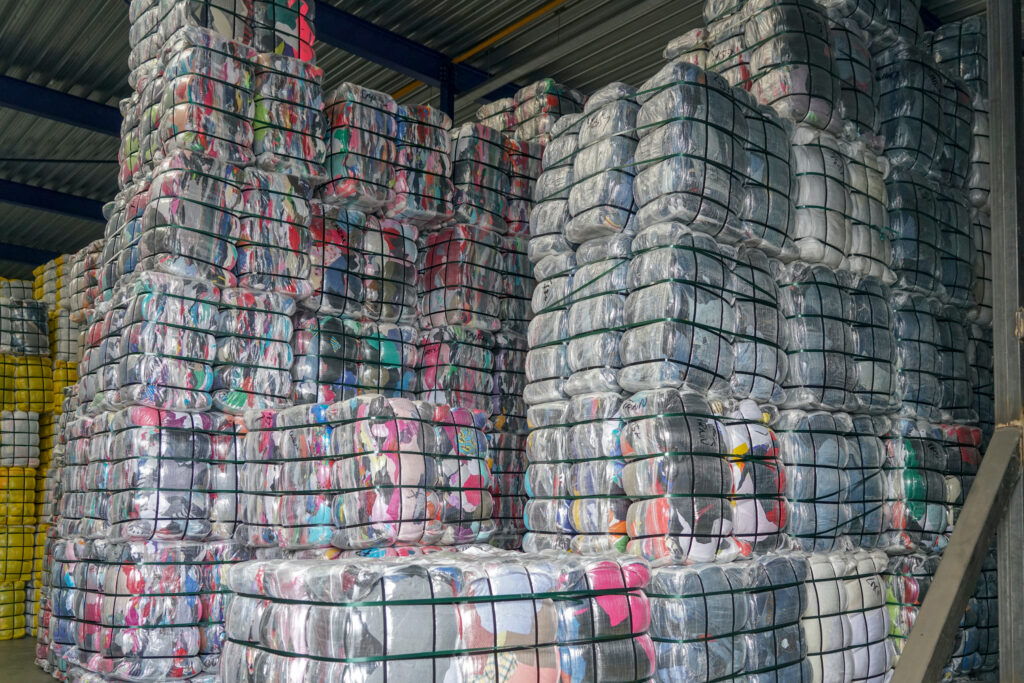
The company’s process enables waste garments and other nylon materials to be broken down into their original chemical building blocks, specifically adipic acid and hexamethylenediamine (HMDA).
These monomers can then be used to produce new polymer and yarn without the need for fossil-based feedstocks.
By enabling the recovery and reuse of high-value materials, Epoch aims to provide a circular solution for industries heavily reliant on nylon, supporting efforts to reduce waste and dependence on virgin resources.
