


Councillors at Plymouth city council have approved plans to overhaul waste collections in the city, including moves to prohibit the pick-up of side waste, redraw vehicle routes and to review the number of residents receiving assisted collections.
The city council approved plans to make its waste collection service more efficient at a meeting on Tuesday (August 12) as it seeks to address a budget shortfall. This will include making residents foot the bill for the cost of new containers for residual waste, which it estimates costs around 150,000 per year.
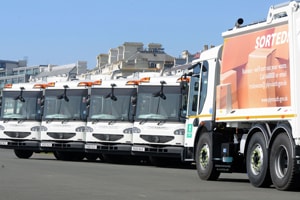
Plymouth city councils in-house waste collection service provides 117,000 households with weekly refuse and fortnightly recycling collections. According to the council, the service generally operates to a high standard, with around 9,000 bins or bags going uncollected out of around 8.6 million collections in 2013.
But, a review of the service by public sector efficiencies body EDGE found that the council could be in line to save as much as 900,000 over three years.
The council spends a total of 25 million per year on environmental services including waste collection out of a total budget of 212 million. It is seeking to cut around 64.5 million from its overall budget by 2018.
Pressure
Councillor Brian Vincent, Plymouths cabinet member for environment, said: The council is facing huge financial pressures due to government cuts to its budget.
‘We remain committed to weekly bin collections and have looked at everything we do to see whether we can do them more efficiently while making things easier for residents.’
Cllr Brian Vincent, Plymouth council
We remain committed to weekly bin collections and have looked at everything we do to see whether we can do them more efficiently while making things easier for residents. By changing the routes we can cut down journey times, reduce the risk of missed collections and reduce costs. While this will mean a change in bin day for many households, well make sure everyone is told of the change in plenty of time and will be able to check their new day online.
Among the changes being brought in by the council is the introduction of more efficient collection routes, based on those mapped using route optimisation software, which it is forecast will save around 220,000 on vehicle costs.
Efficiency
Up to five routes per day are likely to be cut from the schedule, which Plymouth council believes will mean fewer crews will be needed, which could lead to savings of around 368,000 on staffing costs.

The changes are scheduled for mid-January 2015 and are likely to result in many householders having their bins collected on different days.
Householders will also be required to pay for new residual waste containers under the plans, which had previously been available free of charge. Around 6,000 new containers were delivered to householders during 2013, which Plymouth estimates cost a total of 260,000 once delivery costs are factored in.
Side waste
Plymouth is also proposing to implement a strict policy on the collection of side waste, as crews have to date not been told whether it is admissible to collect residual waste left outside of bins from the kerbside and no clear policy has emerged across the city.
Related Links
The ban on side waste will be coupled with a review of the councils assisted collection programme, which currently has around 9,000 users, a number that has doubled in the last six years. The service is available for residents who are unable to place their own wheeled bin at the kerbside.
The council estimates that each household for which the service is necessary adds an average of 30 seconds of worker time to collection rounds, and believes that as many as 10% of households may no longer need the service as the resident who had made the initial application for assistance has moved out.

Register for free to comment