


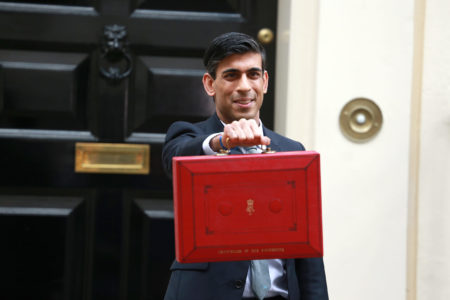
Launched on 11 March when chancellor Rishi Sunnak announced in his budget that the tax would stand at £200 a tonne, the consultation was due to end on 20 May.
However, this has now been pushed back in order to allow the responses from “many sectors which have been impacted” by the coronavirus pandemic.
“We are grateful for the responses we have already received,” the updated introduction for the consultation now says.
It adds: “The government recognises that many sectors with an interest in this policy are affected by COVID-19. We want to give all stakeholders time to submit their views, so we have extended the consultation. The closing date is now 20 August 2020 (11.45pm). However, we encourage early responses from stakeholders, where possible, to support our ongoing consideration of this policy.”
2022
The government outlined in the consultation that the tax, first announced in the government’s Resources and Waste Strategy of 2018, would be implemented in April 2022 and set at £200 a tonne.
It’s unclear if the delay will lead to a delay on this date, or if other legislation may also be hit with similar delays.
Welcomed
Early indicators have suggested that the delay has been welcomed by the waste industry.
“There is no indication at present that the implementation of this tax is going to be extended”
Jacob Hayler, executive director of the Environmental Services Association, said the delay sensible as “many of the most valuable voices are currently engaged in delivering essential services”.
Mr Hayler said: “There is no indication at present that the implementation of this tax is going to be extended and it is vital that it continues to its original timetable, but the additional time should help to ensure that it a range of factors are considered in its design.
“It is essential that this tax is carefully designed to avoid unintended consequences and ensure that it meets its objectives of boosting demand for recycled plastics; limiting the UK’s reliance on volatile recycling export markets; and stimulating the domestic reprocessing sector.”
Sensible
This was echoed by Robbie Staniforth, head of policy at Ecosurety, who said: “It is sensible to give stakeholders more time to consider the proposals outlined, given the current situation. This tax measure needs to be carefully designed to ensure it works as intended. From our analysis so far, there are still many issues to be ironed out.
“The extension does not necessarily mean a delay to implementation. We hope the extra time for reflection will be utilised by stakeholders to improve the tax so it is truly world-leading when it commences in April 2022.“

Register for free to comment