

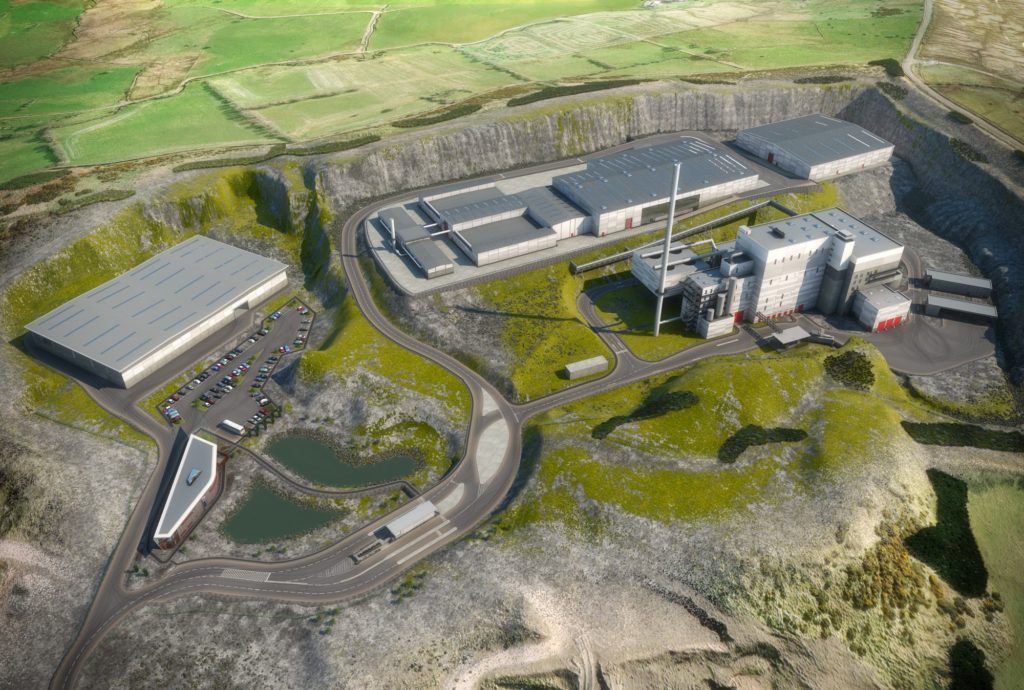
The development was first proposed in March 2013 (see letsrecycle.com story), but has faced a string of planning delays, including having its previous approval deemed unlawful by a High Court judge in 2018.
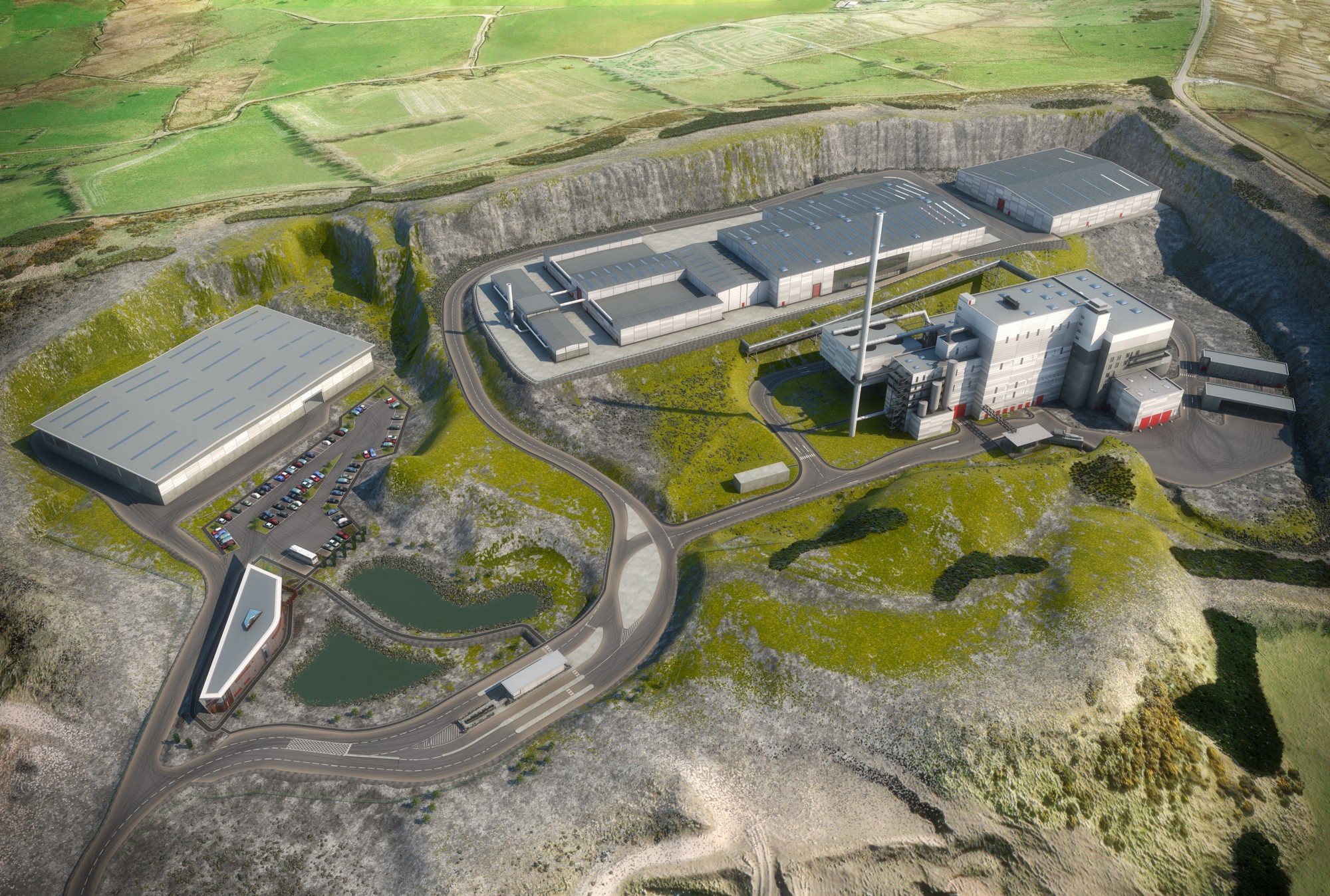
Mrs Justice Keegan backed claims that a senior civil servant did not have legal power to give the green light for the major waste disposal facility at Hightown Quarry in Mallusk following the collapse of the Assembly (see letsrecycle.com story).
For the project to receive approval again it must go through the executive and the six partner councils which make up arc21, an umbrella waste management group formed of six councils in Northern Ireland.
In a statement published today (20 January) Tim Walker, acting chief executive of arc21, said: “By investing in new waste infrastructure that meets European best practice, we have the opportunity to start using our waste and resources better to help rather than hinder these policy objectives.
“arc21’s proposal for an energy from waste plant, for instance, will include Ireland’s largest integrated recycling facility.”
The developers hope the reopening of the Northern Irish assembly three years after it collapsed and the subsequent appointment of Edwin Poots as Minister at DAERA last week (14 January) will act as a catalyst to accelerating the process.
Mr Walker added: “We look forward to working with the new Executive and discussing how we can start managing waste in a way which is fully traceable, benefits society and allows Northern Ireland to make a positive impact on the climate emergency.”
Hightown Quarry
The proposed facility is being developed by the Becon Consortium, formed to pursue the opportunity created by arc21’s public procurement for its residual waste treatment project and of which waste management company Indaver is the lead party.
“arc21’s proposal is a tailormade, long-term solution for a long-term problem”
Mr Walker said: “At present, households in arc21 councils produce around 250,000 tonnes of waste annually that can’t be recycled.
“This is currently landfilled or exported for someone else to manage. That is unsustainable.
“arc21’s proposal is a tailormade, long-term solution for a long-term problem. It is accountable to local councils, good for the environment and beneficial for ratepayers.”
The proposed facility consists of a mechanical biological treatment building, a 220,000 tonnes per annum EfW plant and a visitor centre.
arc21 claims the proposal includes additional integrated recovery facilities which will improve recycling rates by 5% and ensure that only non-recyclable material is treated by the EfW plant.
Green infrastructure
Mr Walker was keen to emphasise the supposed environmental credentials of the facility, claiming it would reduce greenhouse gases by 57,000 tonnes annually by diverting waste from landfill.
Data for July 2018 to June 2019 showed that households in Northern Ireland are recycling and composting more waste than ever before, recording an exact rate of 50.4% (see letsrecycle.com story).
Mr Walker added: “While we should be really proud of how much Northern Ireland’s recycling rates have improved, more needs to be done to meet the challenges of the next decades.
“While we develop green infrastructure, non-recyclable waste will continue to be exported to Europe for incineration – an increasingly expensive option – or sent to landfill sites which are nearing capacity.
“arc21’s proposals will address these environmentally unfriendly practices, cut greenhouse gas emissions and provide renewable electricity and heat to stimulate new jobs.”

Register for free to comment