


It's crucial that we don't make the mistake of building technologies that will create a demand for residual waste.
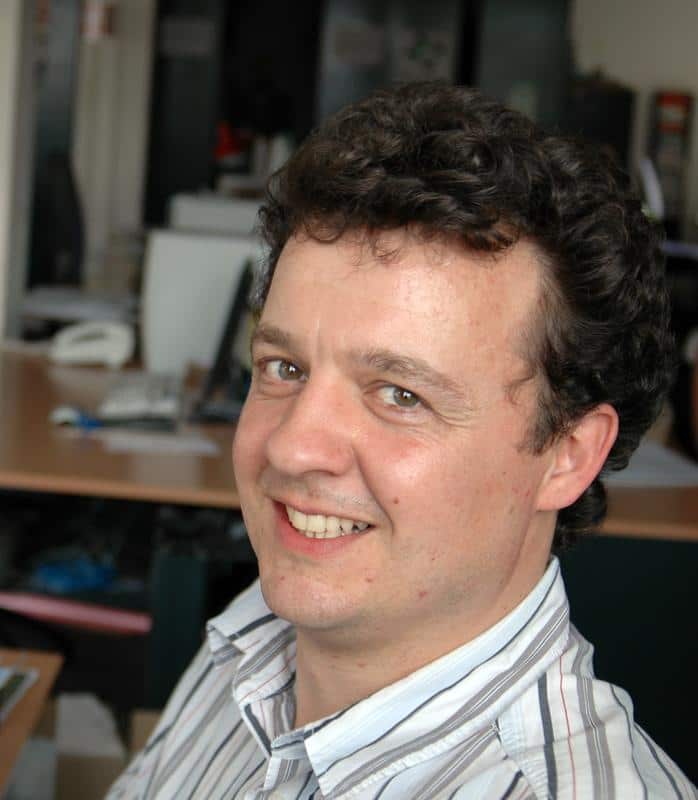
Dr Michael Warhurst, FoE
The network is called the United Kingdom Without Incineration – UKWIN – and was established back in March with the support of pressure group Friends of the Earth.
It is chaired by Stephen Eades and aims to support communities who want to stop incinerators and other waste-burning plants, such as those using refuse-derived fuels, going ahead. The network also aims to link up local Friends of the Earth anti-incinerator groups with other activists to campaign on the issue.
The new network's constitution states that it will initially seek to coordinate information and resources between members and member groups. This is to include a central website and information library open to members for contributions.
Once a central information hub has been set up, a second more pro-active stage of the network will be enacted, including the formation of a campaigns strategy to coordinate the “educating [of] decision makers, financiers and opinion formers in order to create a unified campaign to change government decision making”.
The group met at the weekend's annual conference of Friends of the Earth local groups at the University of Reading.
Writing in the letsrecycle.com Opinions Section this week, Friends of the Earth senior waste and resources campaigner Dr Michael Warhurst laid out the reasons behind the formation of such a group to tackle incineration.
Demand
He suggested that the increasing tendency to build more incinerators and recovery plants fuelled by refuse-derived fuel would create a market for non-recyclable residual waste, rather than phasing it out.
Dr Warhurst said: “It's crucial that we don't make the mistake of building technologies that will create a demand for residual waste – we should be investing in phasing out residual waste, not encouraging it.”
Commenting on the future of waste policy in the UK, Dr Warhurst asked why the UK has shied away from setting a ban on the landfilling or incineration of materials that are recyclable or compostable.
“This would provide a stronger push to get materials out of residual waste, particularly for non-municipal waste,” he said.
For more from Dr Michael Warhurst on the future of waste policy, see the letsrecycle.com opinions section.

Register for free to comment