
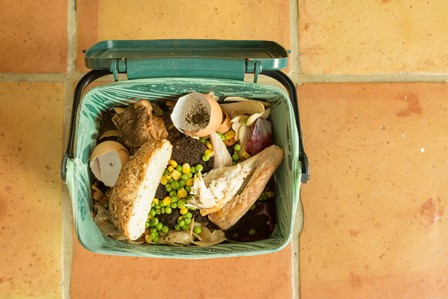
Giving the keynote address at the National Food Waste Conference in London today (27 March), Claire Shrewsbury, who is head of government and communities at the resources charity, WRAP highlighted the work needed to be done for local authorities to implement more consistent collections.
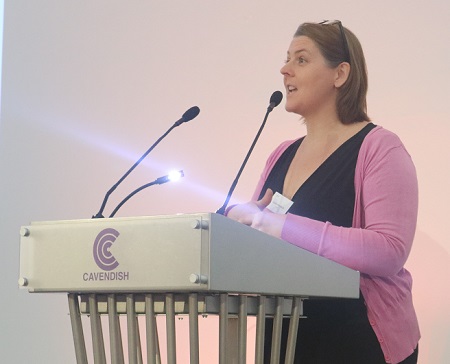
According to Ms Shrewsbury, currently only 16 local authorities collect the six core materials, specified in Defra’s resources and waste strategy, along with separate weekly food waste collections and free green waste collections.
£20bn cost
Setting the scene, Ms Shrewsbury said that the total UK food waste in the UK was 10.2 million tonnes in 2015, costing £20 billion. Of this, 7.1 million tonnes was generated by households costing £15 million.
Ms Shrewsbury explained that 53% of local authorities in England do not collect food waste and that if all local authorities introduced this service the recycling rate would increase by around 5%.
However, she said it is important “not to under-estimate” the cost of change in moving to a separate food waste collection service.
Defra estimates and investment in the range of £180 million – £260 million would be needed to roll out this service across England – to cover bins, vehicles, transportation and free caddy liners.
Commitment
However, Jeremy Jacobs, technical director of the Renewable Energy Association, who was chairing the conference session, was quick to point out that Defra has made the “significant commitment” that the “full transitionary costs and onward costs” of funding this work will be covered.
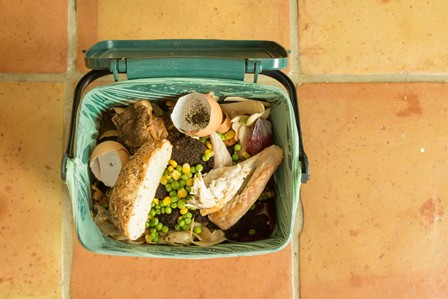
In its strategy, Defra set out its aim for every household in England and many businesses to have a weekly separate food waste collection in place from 2023.
Along with separate collections, Defra is also proposing that councils provide liners to householders, which Ms Shrewsbury noted as a way to “boost capture”. And, she also spoke of Defra’s “flexibility” in treatment options for food waste, in terms of both anaerobic digestion (AD) and in-vessel composting (IVC).
‘Unite’
In summary, Ms Shrewsbury said: “It isn’t WRAP’s responsibility, it’s not even the government’s responsibility, actually food waste is collectively everybody’s responsibility. So, we all really need to unite around this: we need to prevent food waste and then we need to treat it as the valuable resource that it is.”

Register for free to comment