

The document explains that these incidents have highlighted the need for “more effective” management of waste wood, and states that “there is evidence” that material is “not effectively being segregated” into different grades – A, B, C and D – before subsequent processing at recycling sites.
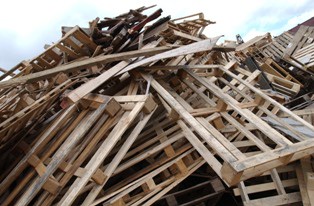
This, the briefing note explains, is “especially due to lack of rigour in visible inspection before segregation of grade A and in the poor segregation of grades B and C”.
According to the Agency, the impacts of some treatments applied to wood are “poorly understood” and “numerous information gaps remain” concerning quality control systems that should be in place.
It is therefore working with the industry to identify these treatments and develop appropriate controls to make sure reprocessed wood does not pose a risk to human health or the environment
But, as identifying these treatments “will take some time”, the briefing document has therefore been published to provide clarity on the regulation of waste wood and “what we expect of the waste wood industry”.
Grade A wood
In the document, the Agency says that the information it has been provided on the treatments applied to waste wood is “insufficient to give us confidence” that all grade A timber is clean enough for processing into its usual uses, such as animal bedding and mulches.
Therefore, the Agency continues to classify the processing of grade A wood as ‘use of waste’, which must be carried out in accordance with the relevant exemption or permit. Submissions for end of waste status for wood will be considered by the Agency on a “case-by-case” basis to “encourage higher standards to prevail”.
Wood fines
[testimonial id = “26” align=”right”]
The Agency is also in discussion with the sector regarding the management of wood fines material, with the document noting the “great concern” that fines are contaminated from grades B and C wood and subsequently used in composting or spread to land, which is “not acceptable”.
According to the briefing document: “Where this happens then we shall take enforcement action in accordance with our enforcement and prosecution policy.”
However, as the Agency accepts that disposing of these fines to landfill is “expensive and potentially un-sustainable”, it is says it is working with the sector to find alternative, long-term, sustainable solutions to disposing of these wood fines.
The Agency states: “We are aware that there are some wood recyclers who are able to achieve high standards of product and have robust management systems in place to achieve quality output. We will continue to encourage all waste wood recyclers to achieve these standards. We hope that the sector can develop guidance covering these aspects will therefore work with the WRA (Wood Recyclers’ Association) and others to help develop this.”
The Environment Agency says it will support the wood recycling sector in developing an industry code of best practice, adding that “other, more specific regulatory issues regarding waste wood will in due course be incorporated into Regulatory Guidance Note (RGN) 2”.
Sleepers and telegraph poles
In addition, the document sets out that used railways sleepers and telegraph poles can only be treated as non-waste materials when they have satisfied all of the following stipulations:
- they have been collected from the rail network, electricity or telephone supply network;
- they have been stored for use after being declared suitable for direct resale;
- and where contracts exist with dealers to have access to these sleepers for direct resale on to retail and other outlets where these are stored, supplied or used for such valid, legitimate and legal purposes.
This September 2014 briefing note, ‘Our approach to working with the wood recycling sector on the management of waste wood v1’, replaces the Environment Agency’s previous position document on the environmental regulation of waste wood – version 2.0 – from June 2010.

Register for free to comment