


Ludgate makes multi million pound investment
The fund has committed around 10 million to fund projects which include anaerobic digestion and biomass.
These include a 7 million investment in Tamar Energy Limited, to fund the development and construction of food and mixed waste anaerobic digestion plants. Tamar is planning to develop a UK network of more than 40 plants with capacity to generate 100MW of electricity over the next five years.
A further 3.1 million has been invested in Ignis Biomass Limited for the construction of a biomass energy plant in Wick, Scotland. The plant will replace oil-fired heat production for the district heating network which is to be bought from Highland council.
Ludgate Environmental Fund chairman John Shakeshaft, said: We are pleased to make these three investments in high growth industrial cleantech companies. These deals represent diverse investment in critically important resource efficiency supporting sustainable economic growth.
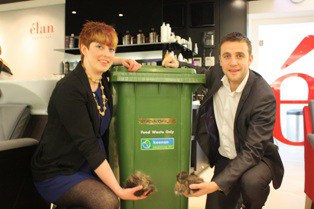
Aberdeenshire firm to compost hairdressing waste
Aberdeenshire-based composting firm Keenan Recycling will now be processing human hair at its composting facility at New Deer.
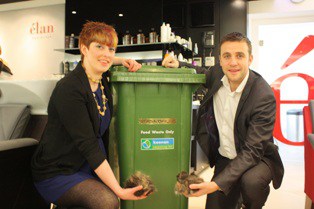
The firm deals with tens of thousands of tonnes of food and green waste from businesses and local authorities across Scotland, with compost produced from the waste used as fertiliser by local businesses and farmers.
The company will now be taking on waste from hair salons, with Elan Hair Design in Inverurie the first salon to use the service.
Director of Keenan Recycling, Grant Keenan, said: Human hair has a high nitrogen level, which is proven to help plants thrive, therefore adding it to the recycling process leads to an increase in slow release nitrogen in the compost, which helps to maintain an even and rich growth. Opening up the commercial food waste service to hairdressers adds another dimension to the compost that we produce.
Director of Elan Hair Design, Lorna Milton, said: We are delighted to be the first hairdresser to sign up to this initiative. Weve recently made a series of eco-friendly changes to the business from using solar panels and carbon neutral furniture to energy-saving lighting and environmentally-friendly hairdressing products.
Grundon to appeal Perth planning decision
Grundon Waste Management has submitted an appeal against Perth & Kinross councils decision to refuse its planning application for an EfW plant at Shore Road, Perth.
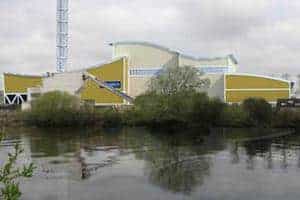
The waste management firm submitted its appeal to the Directorate for Planning and Environmental Appeals last week (May 9) after a revised planning application was rejected by the councils development control committee in March 2011.
The council had already been granted outline planning permission in 2006 for the development of a 75,000 tonne-a-year capacity treatment facility to be built on the Shore Road site.
However, this decision was then reversed when the company submitted plans to build a larger, 90,000 tonne-a-year capacity energy-from-waste plant in November 2009. The company then submitted an amended proposal switching from incineration to an advanced gasification plant. According to the company these plans would significantly reduce the potential visual impact of the facility on the landscape and visual amenity of the area.
Grundons senior planner Veronique Bensadou, said: We do understand why the general public may be concerned about the proposals, and professional officers have a role to play in making sure that the public are provided with full and accurate information to help them form realistic judgements on development proposals. We firmly believe and have demonstrated that our proposal would not result in any adverse effects on the local environmental quality or amenity of the surrounding area.”
Glass compactor contract awarded
Tyne and Wear-based engineering company Tharsus has signed a five-year contract to design and manufacture glass compacters for Scottish glass recycler Ekko Glass Crush and Collect.
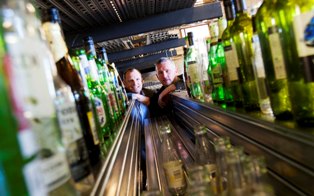
The compactors will be used by Ekkos clients in the food service industry including Network Rail and restaurant chain Mitchells and Butlers.The compacting units have been designed to make recycling more time and cost efficient.
Brian Williamson, director of Ekko Glass Crush and Collect said: One of the main hurdles to glass being recovered from the hospitality sector is the lack of storage space available at the properties.
There is an increasing trend for behind-the-bar in house compactors to be used to compact glass before collection which reduces the amount of space required to store the empty bottles and the frequency of collections required.
After a successful pilot scheme with a number of companies, we needed a partner that could develop the design and deliver the product to a mass audience safely and after meeting with a number of different engineering and manufacturing companies, Tharsus stood out for us.


Register for free to comment