

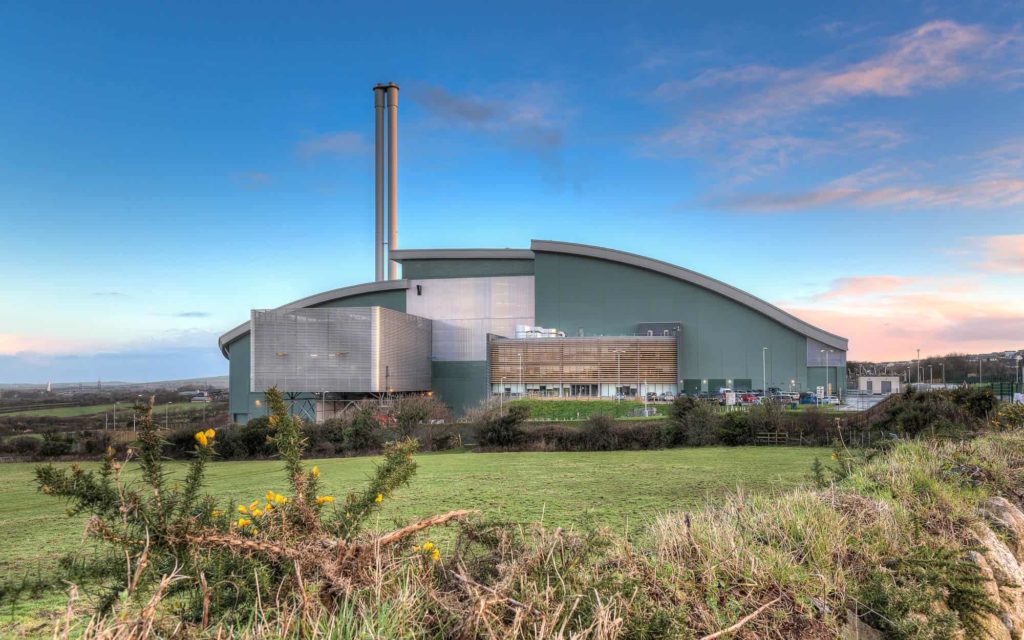
Spending generally, including for local authorities and other topics such as fuel taxation, will be relevant to the waste sector and no specific environmental taxes are expected. However, in the past the government has said that a tax on incineration (energy from waste) is something which could be introduced should its measures to boost recycling fail.
Speaking to letsrecycle.com this week there was a view from waste sector experts that while an incineration tax remains a future possibility, it is unlikely to be flagged today by the Chancellor, although environmental taxation is now firmly on the Treasury’s radar.
Last year, the then Prime Minister Theresa May reiterated that such a tax could be considered if recycling levels failed to rise in line with aspirations.
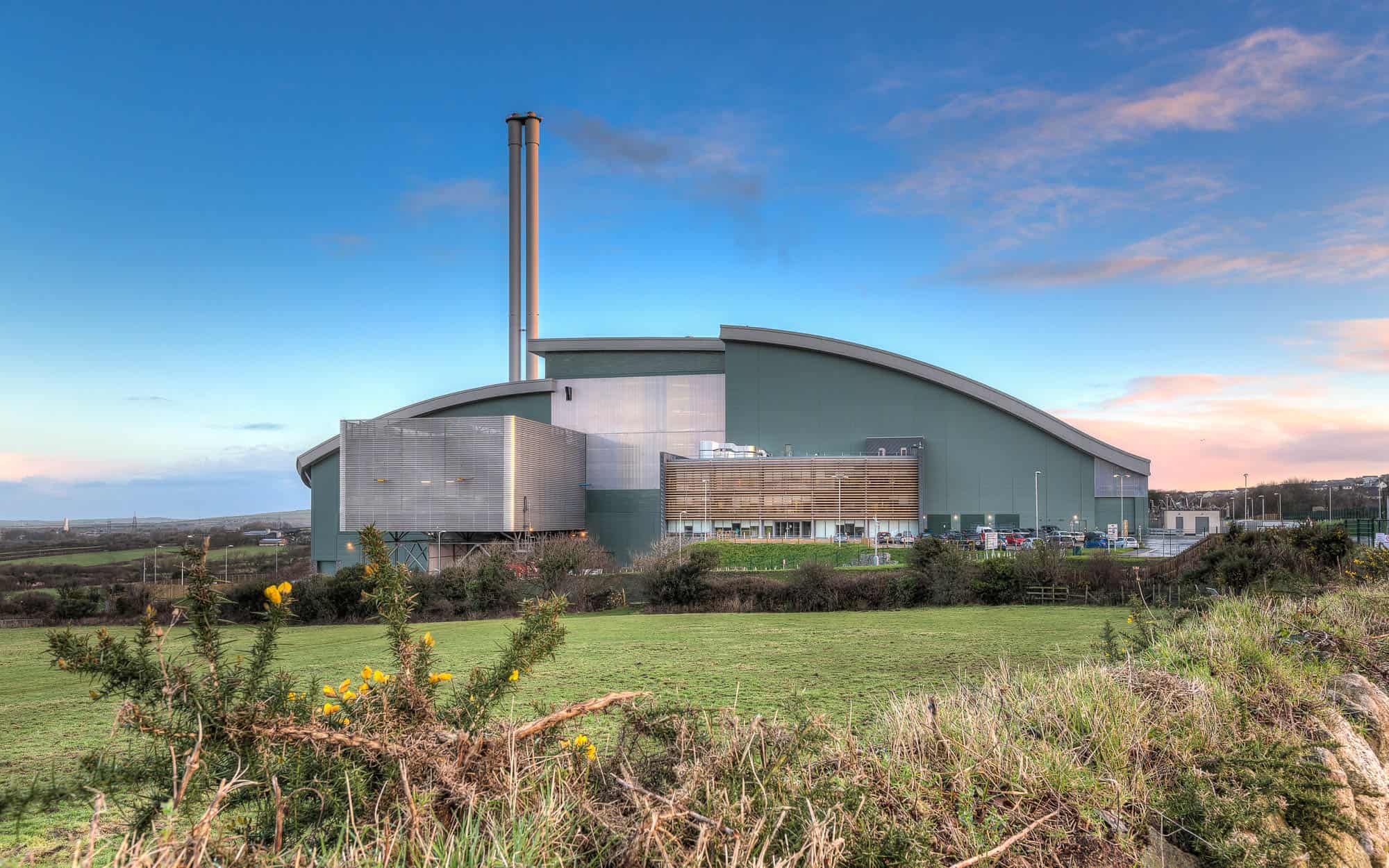
The then secretary of state for the environment, Therese Coffey referencing similar points behind the Resources and Waste Strategy, said: “The landfill tax has been important in reducing landfill. As I have just said, we are consulting on measures that build on the resources and waste strategy that we published a few months ago. We have been quite clear that we must ensure that we increase recycling, and we will take further measures if incineration is still proving part of the problem.”
And, environment Minister, Rebecca Pow, has said the government would only consider bringing in an incineration tax “if the wider policies set out in the resources and waste strategy do not deliver our waste ambitions, as laid out in the Environment Bill and the strategy, including higher recycling rates”.
Balance
Libby Peake, head of resource policy at the Green Alliance, said: “Over the past decades, government policy has encouraged energy from waste as the main bankable technology for resource businesses to invest in. That’s meant that waste reduction, reuse and recycling haven’t received the policy attention or the infrastructure investment that’s needed to create a more resource efficient, circular economy. As we move towards a net zero carbon world, it’s clearly time to redress the balance.

“As part of this, the government should be looking to improve the fiscal incentives: the landfill tax was a start, the plastics tax is moving in the right direction, but much more is needed to encourage investment in circular economy activities like remanufacturing, reuse and high quality recycling. An incineration tax is one option, adopted by several European countries, that’s worth further investigation. If introduced here, it should be used in conjunction with other measures to prevent waste at source, and businesses and local authorities should get the policy certainty and clear lead in time to adapt and put in place the alternatives.”
Other measures
Adrian Judge, director at research consultancy Tolvik, said that his understanding was that the government would look at introducing an incineration tax, “if it was demonstrated that other measures had failed to increase recycling rates.”
Mr Judge said he considered it more likely that after 2025 an incineration tax could be linked to a revised carbon pricing regime for the UK with the current EU-linked emissions trading scheme running to 2025. “Having two taxes, an incineration tax, and an emissions tax has for example, caused some issues on the continent, with the Dutch getting into a tangle over this.”
Waiting
The stance of the Environmental Service Association, which represents the UK waste management industry, is that it supports the government’s position of waiting to see if the policies set out in the strategy not deliver the waste and recycling ambitions in the Environment Bill and the strategy, including higher recycling rates.
“Energy recovery facilities serve a vital public function”
The ESA said: “We support this position because we believe a more sophisticated set of policy tools is needed to stimulate recycling. The new measures proposed for Extended Producer Responsibility (EPR), municipal collection consistency and a potential tax on virgin materials will drive more material towards recycling and strengthen, what can be, volatile and constrained markets for some materials – rather than just simply making residual waste treatment more expensive without stimulating alternative market capacity, which we believe a so-called incineration tax would do.
“In the meantime, energy recovery facilities serve a vital public function and have helped the British public divert millions of tonnes of waste from landfill every year, while saving two hundred kilogrammes of CO2 for every tonne of material not send to landfill. They are a complementary part of the waste hierarchy and among the most heavily regulated industrial facilities in Europe.”

Register for free to comment