

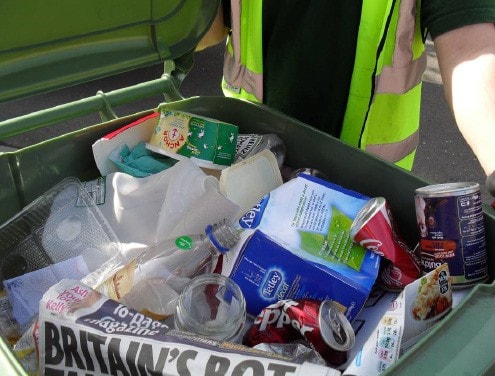
Legal fears are believed to have been behind Defra’s decision to abandon guidance for councils over municipal waste collections, commingling and TEEP.
Last June resource minister Lord de Mauley had reassured councils that guidance was being drawn up by the department but his successor, Dan Rogerson, has vowed to step away from waste issues and appears to have pulled the plug on the guidance.
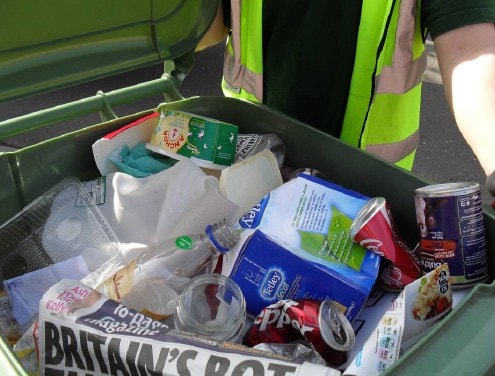
The decision comes despite local authorities seeking guidance over when commingled collections are permissible under European law from January 2015. Instead they will now have to rely on the contents of a letter from the former resource minister.
Tweet
The decision not to publish was slipped out quietly ahead of the weekend without any official notification. It came on Friday evening (January 17), from Defra’s director of resource, atmosphere & sustainability, Colin Church, who revealed on social networking website Twitter that statutory guidance over the issue would not be published.
Dr Church tweeted: We don’t plan to publish further Government guidance on TEEP in England.
Defra has yet to provide further details over the decision, but it is thought that the threat of a legal challenge over the wording of any guidance has seen the document shelved. It is unclear whether the draft guidance has been circulated or will be shredded, or if Defra might choose to keep it in case future court cases might need it to issue guidance.
Advice
As such councils may be required to consult their own legal advice in order to ascertain whether commingled collections can legally be carried out, with authorities otherwise facing legal challenge.
Collection Conference: TEEP, joint working and vehicles
Organised by letsrecycle.com, this event takes place in Solihull on March 12 – click here for more information.
To date the government has already had the embarrassment of facing a judicial review led by Andy Moore of the Campaign for Real Recycling over the Department’s original interpretation of the nature of separate collections under the revised Waste Framework Directive.
Under the Directive Member States are effectively required to set up separate collections of recyclable materials by 2015, unless it is not technically, environmentally and economically practicable (TEEP) for them to do so.
But, it does not automatically mean that councils have to collect recyclable materials separately with those choosing not to likely to need a robust justification to rationalise why it is not necessary or practicable or both.
A letter sent out by Lord de Mauley in October 2013 offered some advice on the issue of TEEP, but stopped short of providing any statutory guidance for councils to follow to ensure they are compliant with the requirements of the legislation (see letsrecycle.com story).
Draft
This is despite the government reassuring councils that guidance on the TEEP requirement was being drawn up by the government last summer (see letsrecycle.com story).
Ray Georgeson, chief executive of the reprocessing sector trade body the Resource Association has called for a more detailed explanation of the decision from Defra, adding that the letter from Lord de Mauley still provides the greatest level of clarity for councils.
Related Links
He said: Given the amount of time and effort we know Defra officials had put into developing a draft TEEP guidance document and the expectation generated especially within local government, I think the onus has to be on Defra to say a little more about why this is not being released than can be covered in 140 characters.
At the moment it leaves Lord de Mauley’s letter to councils issued just before his departure from the resources brief as the best available signal. As Defra said at the time, this means that separate collection is the default position requiring councils to demonstrate clearly if they believe this not to be TEEP in their situation.



Register for free to comment