


The LGA said that this was needed to ensure frontline services could continue to be delivered against a backdrop of funding cuts and rising demand for services, such as an estimated £1 billion increase in waste disposal costs by 2014-15.
The association claimed that, alongside increased demand for other council services and anticipated cuts in central government grant funding of 20% as a result of the spending review, this could leave councils facing a shortfall of between £12.5 billion and £20 billion by 2015.
Local government spending
Highlighting waste collection and disposal's significance as the third largest area of local government spending, the LGA explained in its submission that the service's costs were likely to increase from £3.4 billion in 2010/11 to £4.3 billion by £2014/15.
It noted that, while collection costs had fallen as a result of service rationalisations and increased recycling, disposal costs had risen “very steeply” due to landfill tax increases and the potential EU fines of £140 million it said councils would face if completion of new waste facilities was delayed.
And, it claimed, “both investment in the new facilities needed and renegotiation of contracts for waste disposal have long lead times, meaning there are few quick wins in reducing costs.”
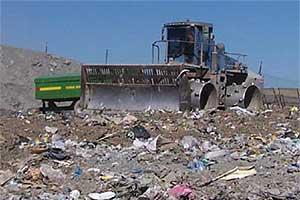
In light of this, the LGA said abolishing landfill tax should be considered alongside its oft-repeated call for the proceeds of the levy – which is currently set at £48 per tonne – to be returned to councils to help fund the development of new waste infrastructure.
“The rising rate of landfill tax has clearly helped to divert waste from landfill in the past but now, with the proceeds of the tax retained by government, the impact is punitive and counterproductive,” it said.
“The effect is that local government is now starved of the funds available to invest in the infrastructure that will enable further diversion of waste from landfill.”
Waste review
In its submission, the LGA also claimed that the ongoing waste review's aim of achieving a ‘zero waste economy' and the investment in the infrastructure needed to achieve this was not compatible with the government's plans to cut capital spending.
“In the absence of an explicit decision to prioritise investment in this area, this policy is not compatible with a capital spending path that involves a 50% decrease over the spending review period and a prioritisation of projects yielding economic returns,” it said.
It also claimed that, with councils locked into long-term waste contracts, “significant” short-term cost savings in the area could not be achieved without additional investment.
And, as a result, it called on the government to acknowledge that councils face an “unsustainable crunch – either they pay the costs of increasing recycling and energy from waste or they play increased landfill tax if they cannot manage to increase recycling”.
It added: “Going forward, the government needs to have a realistic expectation of what local authorities can deliver in terms of waste management and to ensure that the waste policies it develops over the spending review period do not add extra costs to local government waste management.”
The reform of landfill tax is one of 20 changes proposed by the LGA, alongside actions such as pooling funding for local public services into council budgets, which it claimed could save up to £100 billion over five years, removing all ring-fencing on council budgets and pooling funding for local infrastructure projects.


Register for free to comment