
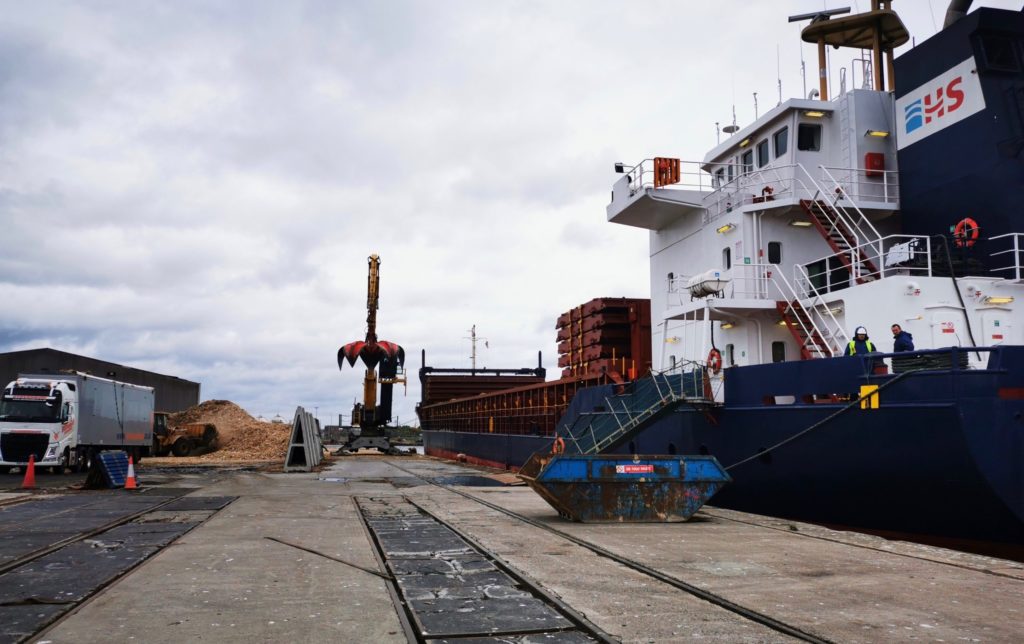
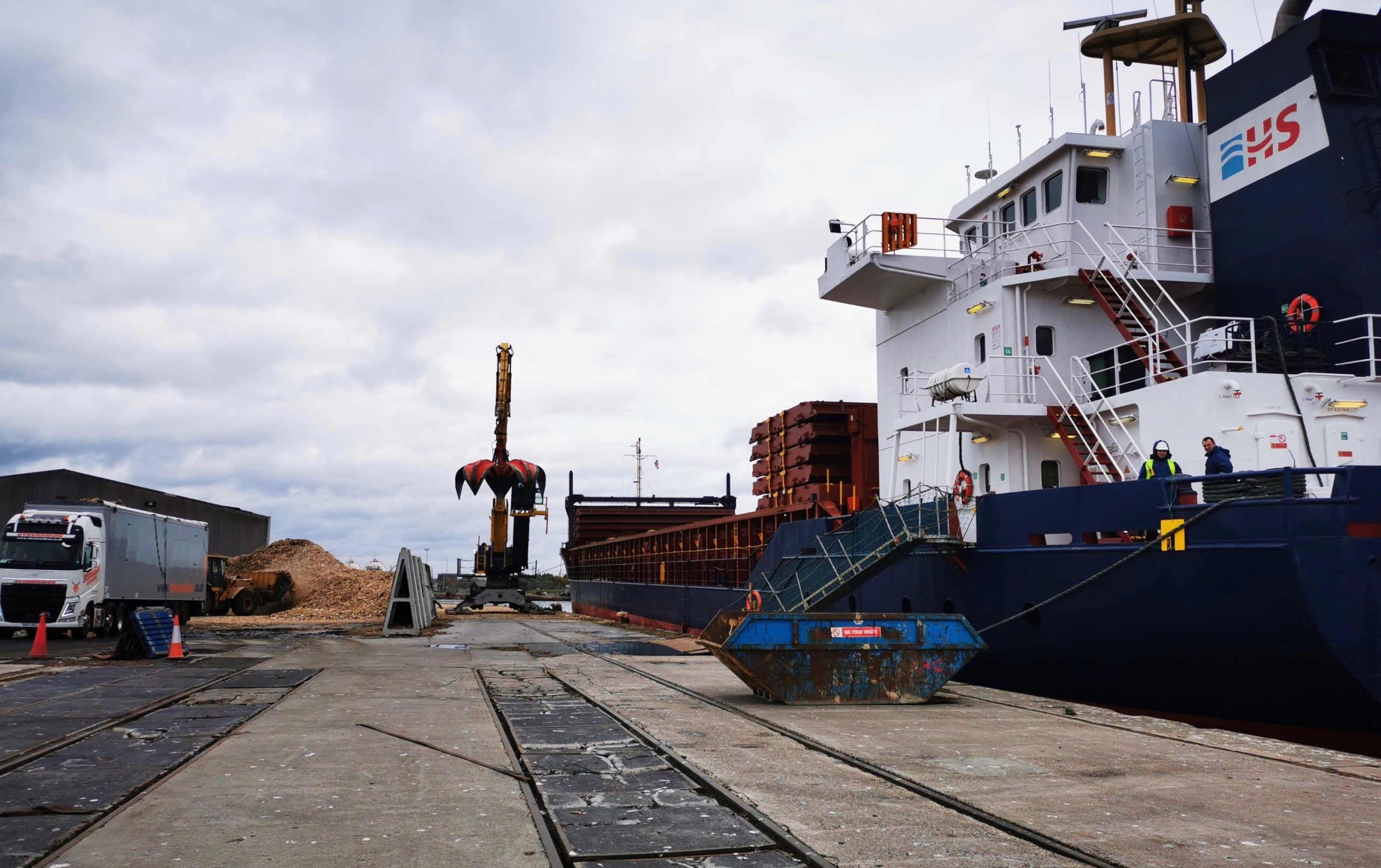
The company says its first ever shipment of waste wood to the UK arrived in late June from Norway.
The Wood Recyclers Association (WRA) reported in June that exports of waste wood from the UK had fallen by 39% in 2019 as demand from the domestic panel board and biomass sector increased (see letsrecycle.com story).
Oliver Caunce, senior account and development manager at Geminor UK, said: “We are seeing a trend of increased demand for waste wood in the UK, which is also confirmed by recent data from the Wood Recyclers Association.
“A higher domestic recovery capacity is surpassing the current waste wood supply, which opens for import from Europe for the first time in Geminor history.
“Covid-19 has to some extent affected the supply of waste wood, but as industry activity is returning, the market deficit is becoming more apparent.
“The market has also reversed due to several new biomass energy from waste plants coming online with demand for more waste wood for recovery.”
Geminor says the first load of wood it has imported is to be used in the panel board industry and the domestic biomass market.
Europe
Geminor says it managed the supply of more than 185,000 tonnes of waste wood across Europe for recycling and recovery in 2019.
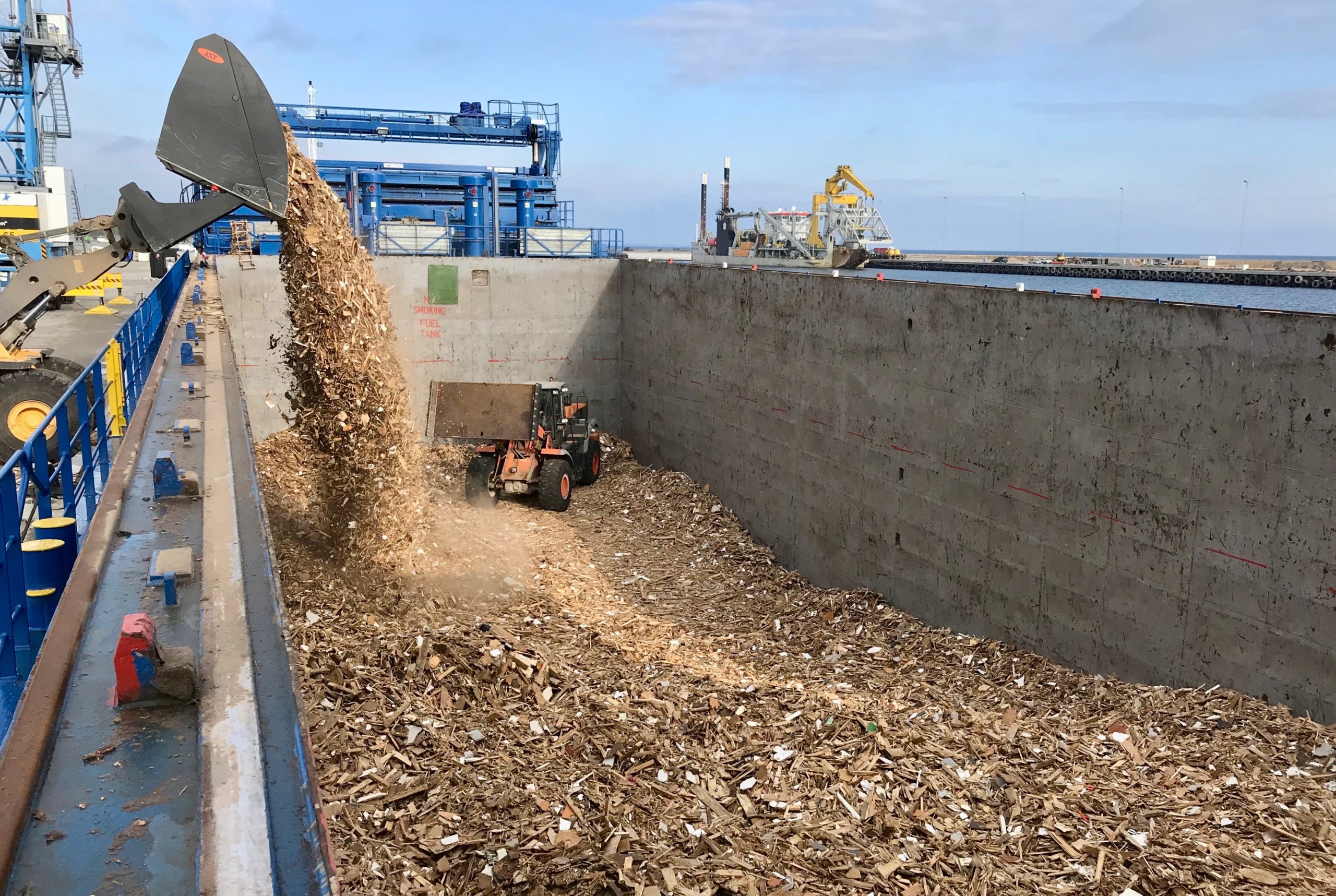
Waste wood has become important to Geminor UK, the company says, which up to now has concentrated on exporting refuse derived fuels from the UK market.
Mr Caunce said: “The waste wood import to the UK is an important milestone for Geminor UK, and we are expecting to increase this import further by entering more contracts in the coming year.
“In addition to Scandinavia – France, Germany and the Benelux are surplus waste wood markets that will supply the UK recycling and recovery industries in the time to come.”
Imports
The WRA estimates around 20,000 tonnes of waste wood was imported to the UK by a variety of companies in 2019.
It suggests the amount of waste wood going to Chapter IV biomass in the UK rose by almost 14% to 2.39 million tonnes last year, while the amount processed into small scale biomass increased by almost 39%.
The increase arose as the government’s Renewable Obligation Certificates (ROCs) scheme gave biomass operators a subsidy per tonne of renewable energy generated. This came to an end in September 2018.

Register for free to comment