


The warning note came from Stuart Foster, chief executive of plastics recycling organisation Recoup, in response to waste firm FCC Environment, which has said that energy recovery could be prioritised over recycling for plastics in some cases where recycling is not economically viable.
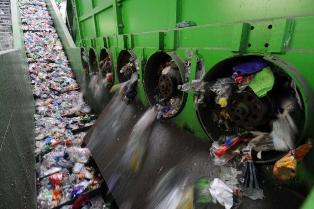
On Friday (May 1) FCC’s sales & marketing director Kristian Dales said that thanks to a ‘buoyant’ UK export market for refuse derived fuel, energy recovery can be seen as a ‘complementary technology choice’ for plastic scrap.
Mr Dales was responding to comments from EU Commission environment official Dr Helmut Maurer, who speaking at a conference in Rome last week, said that energy recovery should only ever be seen as a ‘last resort’ for the treatment of plastic scrap.
The debate on plastics recycling comes against a backdrop of falling oil prices, which since the turn of the year have led to difficulties in the plastics recycling sector, prompting concerns over the future of plastics recycling in the UK (see letsrecycle.com story).
FCC
FCC claims that energy from waste can provide a suitable alternative to recycling where capacity is not available at plastics recycling facilities – a view that has been backed in part by the waste industry trade body the Environmental Services Association (ESA).
Mr Dales said: “It’s all very well and good arguing for plastics recycling over energy recovery but is there a commercially viable market for recycled plastics? Where is the certainty given the downturn in the global commodities market and the recent spiralling of oil prices, the impacts of which are already impacting on demand for recovered plastic polymers?”
[testimonial id = “227” align=”right”]
ESA executive director Jacob Hayler added that energy recovery can be seen as an alternative treatment route for plastics, where demand for recycling does not exist.
He said: “The crucial issue here is creating sustainable recycling markets. The current system is too driven towards pushing tonnages of recyclate onto the market with little consideration of the value of those materials.
“The priority has to be establishing strong end markets for recyclates, using measures to incentivise their use by manufacturers, which would make recycling the more viable and economically sustainable solution. In the absence of this, there may well be a case that energy recovery should be the preferred option for materials for which those end markets don’t exist.”
Plastics sector
FCC’s view was dismissed outright by continental plastic reprocessing sector trade body Plastics Recyclers Europe (EuPC) – which accused the company of wrongly applying the waste hierarchy.
But, Recoup’s Stuart Foster acknowledged that while concerns over the future of plastics processing are not to be dismissed – viewing energy recovery as an ‘acceptable default’ for recyclable materials is not a desirable option.
He said: “Whilst the concerns raised are valid, there is a very strong argument to find the required resources and put in the effort needed to ensure plastic recycling continues to increase and be successful. As FCC suggest this includes more commitment to quality, more public education, and ensuring a strong UK and European plastic reprocessing infrastructure within a global marketplace.

“This also raises the question of whether a zero to landfill commitment for plastics is really good enough, and I would say not. EfW should been seen as a necessary supporting waste management technology and a way to reduce reliance on landfill, but not a long term outlet for recyclable materials. This is not just because of targets, but because it’s the right thing to do. Settling for EfW as an acceptable default option for recyclable materials goes against the entire debate around saving resources and developing circular economies. Recoup are well aware that there is a lot of work still to be done and believe their collective cross sector approach is the way forward, if they can maintain and grow stakeholder support.”
Questions continue to linger over the viability of the plastics recycling industry in the UK in light of the drop in oil prices, with bottle recycler Eco Plastics having been bought out of administration before the turn of the year, and Dagenham-based reprocessor Closed Loop Recycling also facing financial pressures.


Register for free to comment