



In Lincolnshire, Caythorpe firm Mid UK Recycling has said it is to double its capacity for processing plasterboard.
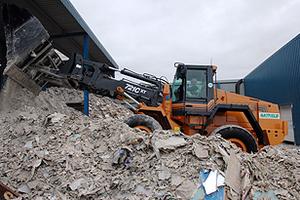
Current estimates put the arisings of plasterboard waste from UK construction and demolition sites at around 900,000 tonnes per annum.
The need to recycle plasterboard is predicted to rise dramatically thanks to the rising Landfill Tax and the forthcoming new legal requirements for construction firms to develop Site Waste Management Plans for building programmes above £250,000 in value.
Recyclers believe the building industry could save £20 million a year by recycling its waste plasterboard.
Rotherham
Roy Hatfield Ltd received its WRAP grant through the Banbury-based market development organisation's plasterboard capital funding competition.
WRAP, which is funded by the government, believes the improvements to the Rotherham site will allow an additional 85,000 tonnes of waste plasterboard to be processed over the next five years. It held an open day this month to unveil the site improvements.
The site upgrades, completed in the summer of 2007, included two new pieces of reprocessing equipment, including a primary sizer to ensure waste plasterboard entering the separation process is of a consistent size. A new cyclone and density separator will improve the separation of gypsum and paper from the plasterboard.
The WRAP funding amounted to 30% of the total upgrade costs, also allowed for a doubling of the company's storage capacity through the construction of a new covered bay capable of holding approximately 600 tonnes of waste plasterboard.
And, a new concrete hardstanding and drainage system has improved vehicle access to the loading and storage areas of the site, which first started recycling plasterboard in 2003.
Mark Hatfield of Roy Hatfield Ltd, said: “As far as we are aware our plant is now the largest independent plasterboard recycling facility in the UK. This programme of improvements helps us to consolidate that position, providing a quicker, more efficient and more competitive service to our customers.”
Much of the success of our plasterboard recycling process has been a growing desire within the building industry to improve its environmental credentials.
Chris Mountain, Mid UK Recycling
Roy Hatfield processes waste plasterboard collected from all over the UK, including Scotland, Northern Ireland, London, Midlands and Yorkshire. Material is received from a variety of producers including plasterboard manufacturers, waste transfer stations and direct from building and demolition contractors.
Processed gypsum is supplied for use in the manufacturer of building materials including “eco bricks” – bricks for use internally within buildings that do not need direct heat to cure. Hatfield's markets for gypsum also include supplying the power to the liquid absorbents industry. Gypsum can also be used to make new plasterboard.
Dave Marsh, project manager for the construction materials recycling programme at WRAP, said: “The aim of the Plasterboard Capital Support Programme at WRAP is to improve the amount and quality of plasterboard that is recovered and recycled from UK construction and demolition sites. WRAP provides financial assistance towards the cost of plant, equipment and infrastructure for projects that would not have been otherwise undertaken, to increase recycling capacity in the UK.”
Lincolnshire
Meanwhile, a year on from the launch of its plasterboard recycling service, Mid UK Recycling has announced plans to double its plasterboard recycling capacity.
The company said the move was a response to a “phenomenal take up by the building industry” in the service's first year.
The company works with a network of collection companies to receive up to 50,000 tonnes of plasterboard each year from sites around the UK, taking in waste plasterboard from both small and large contractors.
Chris Mountain, managing director of Mid UK Recycling, said: “We believe much of the success of our plasterboard recycling process has been a growing desire within the building industry to improve its environmental credentials. Our national network, with pick up service, also make this an easy option for builders and contractors everywhere.”
Mr Mountain said his company's process produced gypsum of 99.5% purity, which surpassed the 70% purity achieved in mining virgin gypsum.
He said of his recycling service: “It provides a double environmental whammy, reducing gypsum mining and energy used in its refining process. The other reclaimed materials from the plasterboard – paper and metal – are recycled along with other Mid UK Recycling products. Further environmental benefits are provided by the reduction in lorry movements and fuel taking plasterboard, which is much less efficient to transport than gypsum, to landfill.”
Mid UK Recycling said it would take about six months to double its existing capacity because of the time needed to commission and install the system.
Mr Mountain explained: “The process which has included the development of special shredders, magnets, gravity separators, screens and extreme dust extraction machines, importantly totally separates the paper from the gypsum – a highly complex and difficult process as both are bonded together.”

Subscribe for free