

The company said that it has developed a process to handle the residue by blending it with non-hazardous liquid waste and solidifying the material for disposal via landfill.
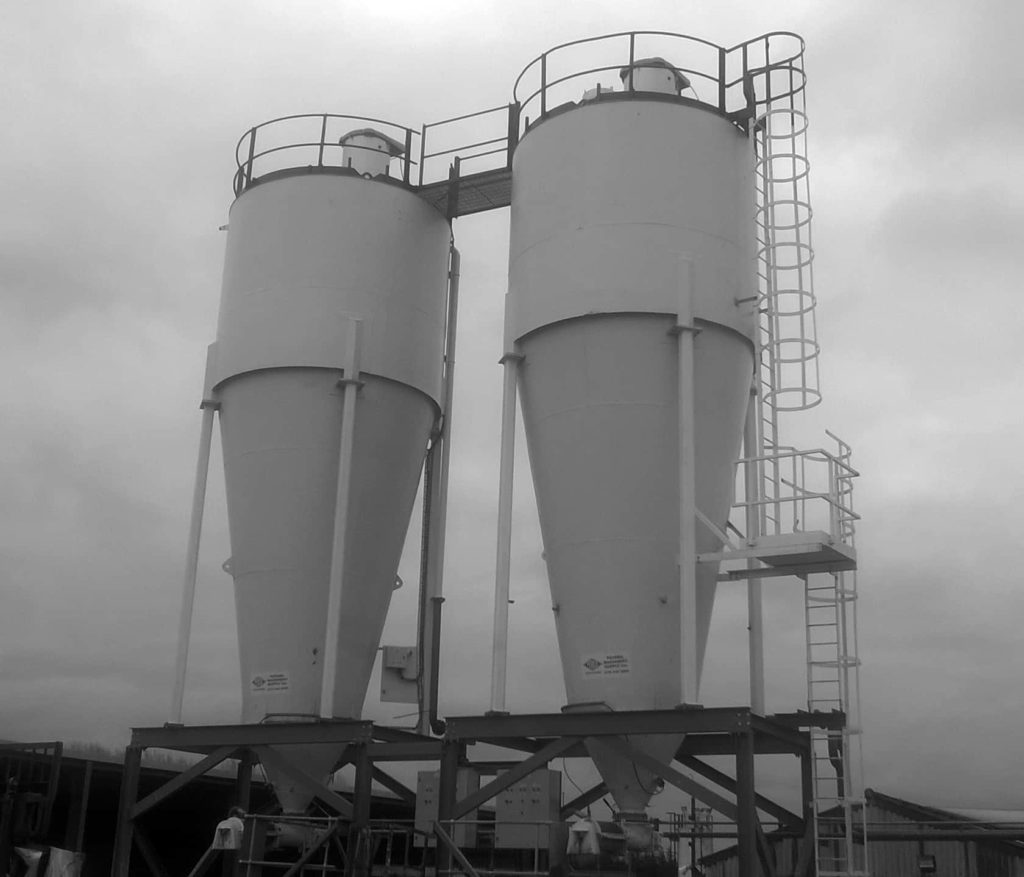
The increase in demand is expected because more waste is being incinerated, said CSG. And, the government is also set to tighten the rules around sending APC residues to non-hazardous landfill sites.
APC residues are the product of processes used to control air pollution and capture heavy metal emissions and neutralise acid gases at incineration facilities. The material is classified as hazardous waste because of its high alkalinity due to the addition of scrubbing agents such as lime to the abatement process.
Derogation
Currently the government is considering whether to remove a derogation that allows the material to be sent to non-hazardous landfill sites after processing, having originally pledged to make a ruling on the material more than five years ago (see letsrecycle.com story).
Removal of the derogation would mean that APC would require more intensive pre-treatment before it can be sent to landfill.
CSG’s process has been permitted by the Environment Agency following a 12-month trials programme. It is now operational at the company’s facility at Cadishead.
According to CSG, the lime-based residues are difficult to treat because they contain high levels of chlorides and heavy metals making the waste unsuitable for landfill where there is a possibility of leaching.
Figures compiled by the government in July 2015 suggest that an estimated 300,000 tonnes of APCR arise in the UK annually, although this could double by 2020 as a greater proportion of the UK’s residual waste is treated via EfW facilities.
Properties
According to CSG, the lime-rich ashes contained within APC residues have ‘pozzolanic’ properties similar to cement which can be used in a treatment process to help solidification and reduce the possibility of leaching of metal contaminants.
CSG adds that the process it has developed is designed to use these properties by blending the residue with non-hazardous liquid wastes during which leachable metals become immobilised. The liquids are then solidified to produce a waste which meets the landfill Waste Acceptance Criteria (WAC).
The process is akin to producing a concrete mix with the contaminants trapped inside, CSG claims.
The treatment also treats dusty wastes which would otherwise be hazardous to handle, as well as providing a treatment route for non-recoverable liquids such as detergents, paints and polymers, which would be toxic to a waste water treatment works, the company adds.
CSG’s Cadishead operations manager Jen Cartmell, said: “Hazardous APC residue management is becoming a major waste treatment priority as the use of incineration grows. We have invested £100,000 in the development of a workable solution and now expect a significant increase in this part of our business.
“The volume of residues handled at our hazardous waste treatment facility at Cadishead near Manchester has in the past been comparatively moderate, but is now increasing to such an extent that we have invested significantly in technology to enhance the way we deal with it and contribute to its safe disposal.”
Despite CSG’s process involving the stabilisation and landfilling of the material, other operators have argued that preparing the material for use in construction processes is a ‘more sustainable’ use of the resource.

Register for free to comment