

Councils accused of not meeting their duty to cooperate in drawing up the North London Waste Plan have questioned whether the duty should apply retrospectively after five years of preparation.
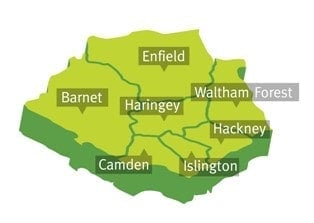
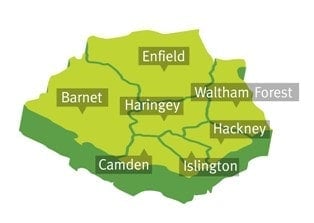
The Plan, which has been drawn up by officers from Barnet, Camden, Enfield, Hackney, Haringey, Islington and Waltham Forest councils, identifies a range of suitable sites for future waste management facilities in North London.
Under the terms of the Localism Act which became law in November 2011, councils are required to consult each other on planning issues which involve sites outside of their boundaries. The NLWP was submitted to the Secretary of State in February, having taken more than five years to draft.
A hearing into whether the Plan meets its legal requirements was suspended on June 12 (see letsrecycle.com story) after representations from two waste planning authorities South East Waste Planning Advisory Group and the East of England Waste Technical Advisory Body.
Landfill
The two bodies claimed that they had not been consulted on proposals within the plan that would see waste sent to landfill to Buckinghamshire and Northamptonshire and therefore did not meet the duty to cooperate.
The North London councils were given until July 27 to respond to the Planning Inspectorate to the claims.
In response, the councils argued that under the terms of the Localism Act, there was no mention of a requirement to apply the duty to cooperate retrospectively and that by the time the Act came into effect, substantial preparation had already taken place on the Plan.
The councils also stated that many of the locations listed as destinations for landfill have been used historically by the London boroughs, and they received no representation during the formulation of the Plan as to the concerns over the continued use of the sites.
The response said: In SEWPAG and EoEWTAB it is stated that significant quantities of waste are to be exported to waste authorities who may not be planning to receive this. It then goes on to list a number of related authorities where there has been a lack of liaison between the Boroughs and the waste authorities in question.
It is surprising therefore, given the historic trends of landfill going to these counties and the alleged significant impacts of landfill being sent there, that these authorities have not communicated any concern about this to the Boroughs while the NLWP was being prepared.
Planning
The boroughs went on to claim that the planners had heard concerns from other planning authorities through their participation in the Regional Technical Advisory Bodies (RTABs) and through the formulation of the London Plan and that these were fed into the NLWP as a result.
In closing, the councils response states that over the five years that were spent producing the Plan, the boroughs have cooperated with other planning authorities in a constructive, active, ongoing and effective manner.
The planning inspectorate will now decide whether the Plan has met its duty to cooperate, and may force the Plan to be redrafted, which could take a further two years.


Register for free to comment