

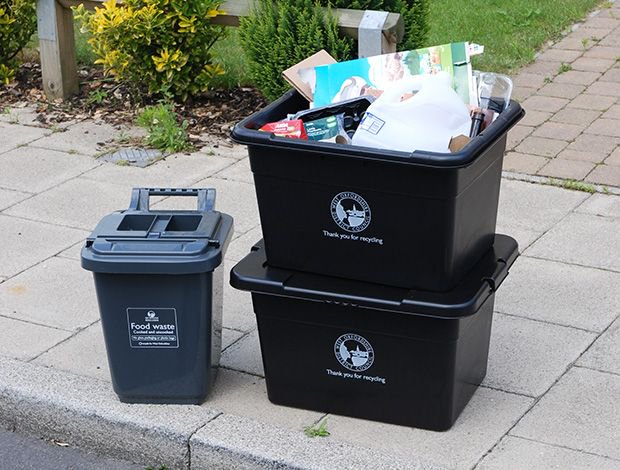
The move comes after the council has been reviewing its waste service, which it says is under pressure as more people are working from home and operating costs have risen.
As a result, “minor adaptations need to be made to meet the demand”.
The local authority has now discontinued collection of car batteries and has told residents to put cooking oil in food waste bins, instead of collecting it separately.
West Oxfordshire said just two to three car batteries were collected weekly on average, so the recycling rates did not justify the cost of the service. Previously, residents had to book a collection slot before the council’s waste contractor Ubico made a special trip to collect the batteries.
Marginal
According to Councillor Norman MacRae, cabinet member for environment at West Oxfordshire district council, “the vast majority of households do not use these marginal services so, in light of this, combined with meeting external challenges such as rising fuel prices, it makes financial and practical sense to withdraw them.”
The council stated that residents will still be able to take car batteries, engine oil and excess amounts of cooking oil to the Household Recycling Centre at Dix Pit for disposal.
Residents are also advised to visit garages that are usually willing to accept old car batteries. Alternatively, they can be taken to a licensed scrap metal merchant for recycling.
Cooking oil
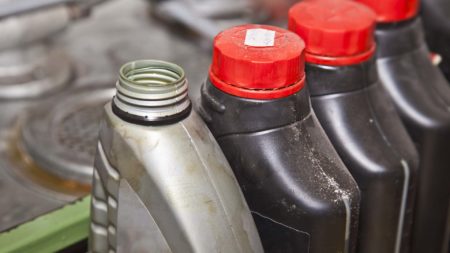
Cooking oil collections continue but rather than being left out in bottles like previously, the council explained that it “must now be presented in the caddy along with other food waste”.
Residents are asked by the council to add small amounts to their normal food waste scraps to “make the process quicker for refuse crews and allow them to focus mainly on emptying recycling bins, boxes and caddies.”
The problem of residual grease in the food waste caddies from adding cooking oil can be resolved by lining them with either newspaper, compostable bags or unwanted plastic ones.
Cllr MacRae said: “To keep our waste and recycling services running efficiently and most cost-effectively for the taxpayer, it’s important that we revisit periodically the services we offer to ensure they remain fit for purpose.”
West Oxfordshire district council had a recycling rate of 57% for the 2020/21 financial year. Its residual waste and recycling collections are carried out by Ubico, under a contract which started in 2016.

Register for free to comment