

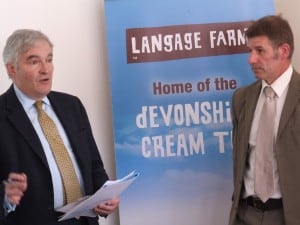
The 3.4 million AD plant was officially opened by Lord Henley, minister for recycling, on Friday (July 1). The facility, close to the farm which makes yogurt and other products, has received 1.2 million of funding from the Anaerobic Digestion Demonstration Programme which is administered by the Waste & Resources Action Programme (WRAP) and the Carbon Trust.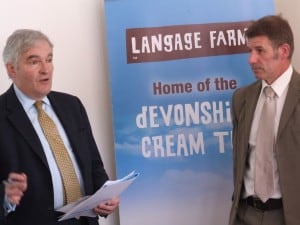
But, it has emerged that there are concerns that some of the local authorities in the county, notably Plymouth, may not choose to separately sort food waste for anaerobic digestion and instead will make use of energy from waste plants which are proposed for Plymouth and Exeter. This would mean less material for Langage Farm and other AD plants in the region.
And, the local authority in which Langage Farm is situated, South Hams district council, sends its household food waste to the Heathfield in-vessel composting plant at Kingsteignton which is operated by Viridor. The material is collected mixed with green waste – commercial food waste collected by the district is going to Langage Farm.
WRAP has said that by the end of its first year of operation, the Langage Farm AD facility will process 12,000 tonnes of food waste collected from households across the county by local authorities.
According to the original project plan for the plant it was to take in only 8,000 tonnes of food waste annually with 3,000 tonnes of material coming in the form of slurry from the Langage Farm cattle herd. Additionally, some food wastewas expected to come from industrial sources. Since the plan was drawn up in 2009, the plant’s capacity has been increased and it is licensed totake 20,000 tonnes of waste in total.
Closed loop
Speaking at the opening, Lord Henley said: The facility at Langage Farm is an excellent working example of how a localised closed loop economy can be created. Food waste that otherwise would have gone to landfill will instead be used to produce the energy that will power much of the production process here on the farm, helping to produce award winning clotted cream, ice cream and yoghurt.
Marcus Gover, director of organics and energy from waste at WRAP, said he believed the market, including investors, developers and end users, should be confident of AD as a reliable, safe and profitable resource efficiency process.
He added: AD is a growing part of the resource efficiency solution, capable of diverting biodegradable waste from landfill, creating renewable energy, stimulating the green economy and improving the sustainability of commercial agriculture. We really see it as a huge opportunity for the UK.
Source separated
John Dean, of Langage Farms, told letsrecycle.com that the plant would be taking food waste locally and from further afield. We would like to see a lot more source separated food waste collections, even with plastic bags, as we can deal with that.
And, Mr Dean confirmed that input material will be coming from a variety of sources including from industrial sources. Gate fees for the plant have not been disclosed but will be below landfill costs and depend on factors such as contamination levels, the calorific value of the food waste and its nutrient potential.
The plant uses Finsterwalder Umwelttechnik technology from Germany and has suffered from exchange rate changes in the past with a rise in forecasted costs making a “significant dent in the budget”. Heat produced by the AD plant will be sufficient to supply the entire needs of the existing diary products factory, and will also produce electricity which will be fed back into the National Grid. The plant will also produce a high quality nutrient rich organic fertiliser for use on nearby pastureland.

Register for free to comment