
The Cambridgeshire and Peterborough Waste Partnership (RECAP) is warning that if material is placed in the wrong bin, material which could have been turned into compost or recycled is being sent to landfill – and that the problem is costing over £220,000 a year. Local authorities across Cambridgeshire will also be implementing a stricter regime of not emptying recycling bins if they have the wrong items inside.
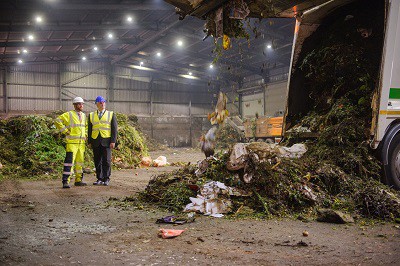
In an attempt to tackle the issue, two new videos available at www.recap.co.uk, show what happens once the material is picked up from residents’ homes and brought to the Amey Waste Management Park in Waterbeach. The first film looks at the composting of food and green waste while the second looks at the sorting of dry recycling from blue bins.
Corn Starch
Councillor Roger Hickford, RECAP chairman, said: “ “We work very hard with Amey and the district councils to compost as much of your food and garden waste as possible. When the process works, we create over 23,000 thousand tonnes a year of compost which is then used on farmer’s fields for crops or by Cambridgeshire residents on their gardens. That is enough to spread compost over four football pitches every day of the year. However, in recent months we have seen a variety of items turning up in the ‘green waste’ such as electric goods, clothes but mostly corn-starch and plastics bags which cannot be composted in our process and must be rejected.
“I would urge everyone to watch our new videos and think really careful about the items they put in their various bins. The cost of putting the wrong things into wheelie bins is over £220,000 a year. So while the technology we use helps to sort the recycling you put out, we are greatly assisted by the separation which people can do at home. This means we can recycle more, reduce the amount of waste sent to landfill and have more money to spend on other services which councils provide.”
Compost
Tom Coleman, operations director at Amey, said: “It only takes eight weeks for us to turn food and garden waste into compost, but any type of plastic, even the corn starch bags, will not break down. The best way to help us is for you to wrap your food waste using newspaper as this does break down into compost quickly.
“Unfortunately we do get quite a lot of plastic and metal items mixed in with the food and garden waste. These can damage the machinery we use to sort the waste and also unfortunately it means that we need to reject it and send it to landfill. We hate to see potentially good compost being sent to landfill because it has been contaminated.”

Register for free to comment