

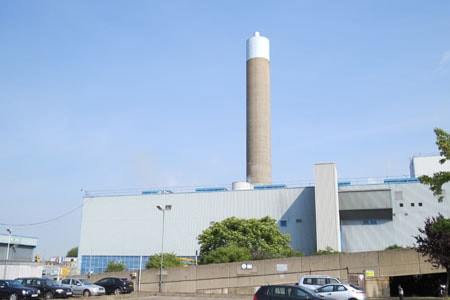
In a report published this month by the APPG on Air Pollution, chair of the group MP Geraint Davies claims that Energy from Waste (EfW) plants contributes to 64,000 deaths per year caused by air pollution.
In a foreword of the report, Mr Davies said it is “imperative” to reduce fossil fuel burning, urging a halt on new incinerators being built.
The UK Government giving approval to 50 new plants to double the volume of energy-from-waste incineration by 2030 is naturally of concern
– Geraint Davies, chair of APPG for air quality
Mr Davies said: “The impact of the UK Government giving approval to 50 new plants to double the volume of energy-from-waste incineration by 2030 is naturally of concern with respect to both human health and climate change.
“In Wales, current recycling levels are much higher than the targets in England (for example, 64 per cent achieved in Swansea) and the Welsh Government has imposed a moratorium on new large-scale waste incinerators.
“This approach should be extended to England to stop the growth of burning and its pollutants”.
Threats
The report analyses a number of what it describes threats to human health and the environment caused by EfW plants.
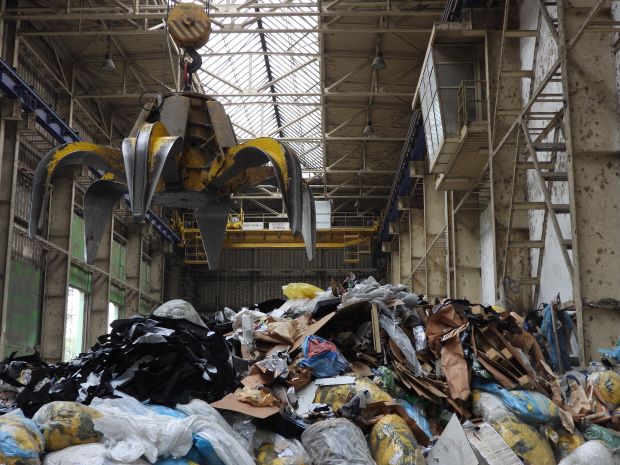
It highlights research into pollutants found in chicken eggs, grass, and moss near EfW plants, as well as the development of children who live near plants.
Presented in the report, is research undertaken to look persistent organic pollutants (POPs), which are emitted through waste incineration.
The report explained: “Some of these very toxic compounds are known as ‘forever chemicals’. By burning everyday household waste, incinerators produce thousands of tonnes of bottom ash and fly ash. Bottom ash, which can be loaded with hazardous compounds, finds its way into concrete and road constructions materials.
“Semi-continuous measurements taken in an incinerator smokestack can be compared with biomonitoring analysis results to provide evidence that dioxin and POP emissions are released by a waste incinerator.”
The report also claims that excessive exposure to certain metals, caused by EfW emissions, can cause “ neurotoxic effects with cognitive and behavioural deficits in children”.
APPG
The APPG on Air Pollution is formed of eight ‘officers’ made up of one Conservative, four Labour and a Scottish National Party MP, as well as Green and Lib Dem peers.
The group aims to “bring together parliamentarians, experts, and stakeholders to discuss and promote measures to tackle poor air quality; and to work to raise the profile of both the problem and its solutions in parliament”.
Useful links
A Synopsis of Expert Presentations on Health and Air Quality

Register for free to comment