


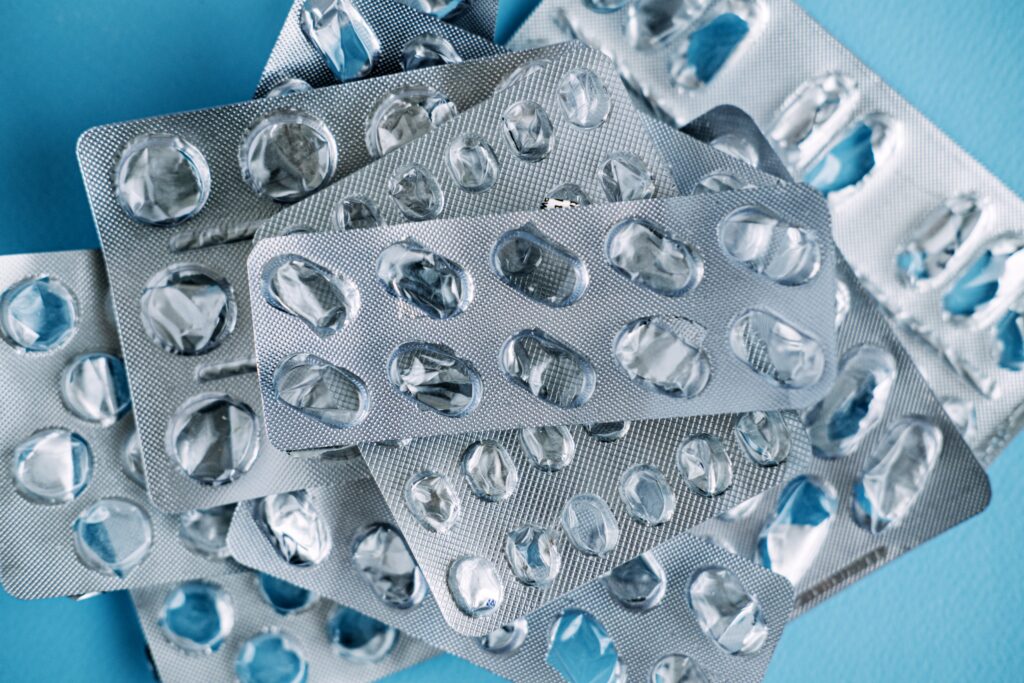
The “CircuBack” scheme will be run at pharmacies and other dispensing outlets to allow patients to return the packaging at the point of sale.
MYGroup is already the waste management partner for Boots’ blister pack recycling scheme, which is available at over 800 stores.
It also operates a scheme with Tesco, in partnership with consumer healthcare company Kenvue, and individual programmes for GP surgeries and veterinary practices.
Steve Carrie, Group Director of MYGroup, said: “Reach is what determines whether a take-back scheme works.
“Our nationwide retail partnerships have proven the public appetite for recycling blister packs, so we’re pleased to extend our service into the pharmacy and dispensing landscape at scale, benefiting from already established logistics.
“As the leading UK recycler in this space, having recycled millions of packs to date, we’re proud to continue building a reality – nationwide – where no blister pack has to end up in landfill or incineration.”
The CircuBack scheme is brand-agnostic, with all types and brands of empty blister packs accepted, and no purchase required to participate.
While blister packs should be returned empty, any residual medicines or vitamins will be segregated and processed separately by MYGroup in full compliance with the appropriate regulations.
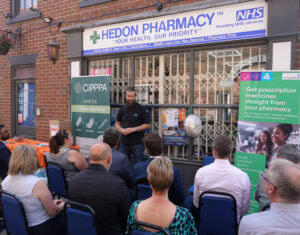
The packaging is processed at its specialist facility in Hull, East Yorkshire, which holds permits to process complex healthcare and clinical waste streams.
The new takeback scheme is an initiative of the Circularity in Primary Pharmaceutical Packaging Accelerator (CiPPPA), managed by TDi Sustainability.
The collection of the material will be coordinated by Cencora Alliance Healthcare (CAH) which will collect the bins as part of its normal product delivery rounds.
CAH delivers products to over 17,000 pharmacies, doctors, hospitals and health centres nationwide.
Maryam Babba, Ph.D., Program Lead for CiPPPA at TDi Sustainability, said: “Blister packs are often considered among the most challenging components of primary pharmaceutical packaging and medicinal devices to recycle, and historically efforts at recycling were siloed and fragmented.
“Thanks to the technical expertise, practical input, and financial commitment of our members, years of dedication have delivered significant progress, achieving what once seemed almost impossible.
“The programme is driving systemic change across the sector and supporting behaviour change among the public, marking a major milestone in advancing circular solutions for pharmaceutical packaging.”
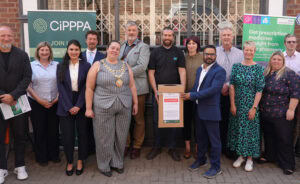
The scheme was launched yesterday at an event at Hedon Pharmacy in Hull, attended by a representative from the office of Rt Hon Dame Diana Johnson DBE, MP for Hull North and recently-appointed Minister of State at the Department of Health and Social Care.
How are the blister packs recycled?
Blister packs are traditionally difficult to recycle as they contain both aluminium foil and plastic. As a result, they are not usually accepted through household kerbside collections and are sent to landfill or incineration.
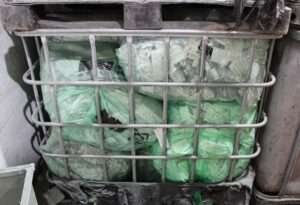
MYGroup separates and recovers both the aluminium foil and plastic. The former is sent to a refinery for remanufacturing into ingots while the plastic is sent through a PVC recycling process for recovery back to supply chains, as well as being used in the production of the company’s MYboard for hard-to-recycle plastics.
MYboard is a durable wood replacement made from heated and pressed waste plastic, and is used in construction, joinery, shop fittings and furniture.
Where possible, some of the materials are also used by MYGroup’s ReFactory arm to be used to manufacture new materials and products.
The process makes provision for accidental hazardous contamination from unused medicines, which are recovered and converted into biofuel.
Blister packs are one of the most common forms of pharmaceutical packaging: around 85% of solid unit drug doses in Europe are packed in blister packs.

Register for free to comment