
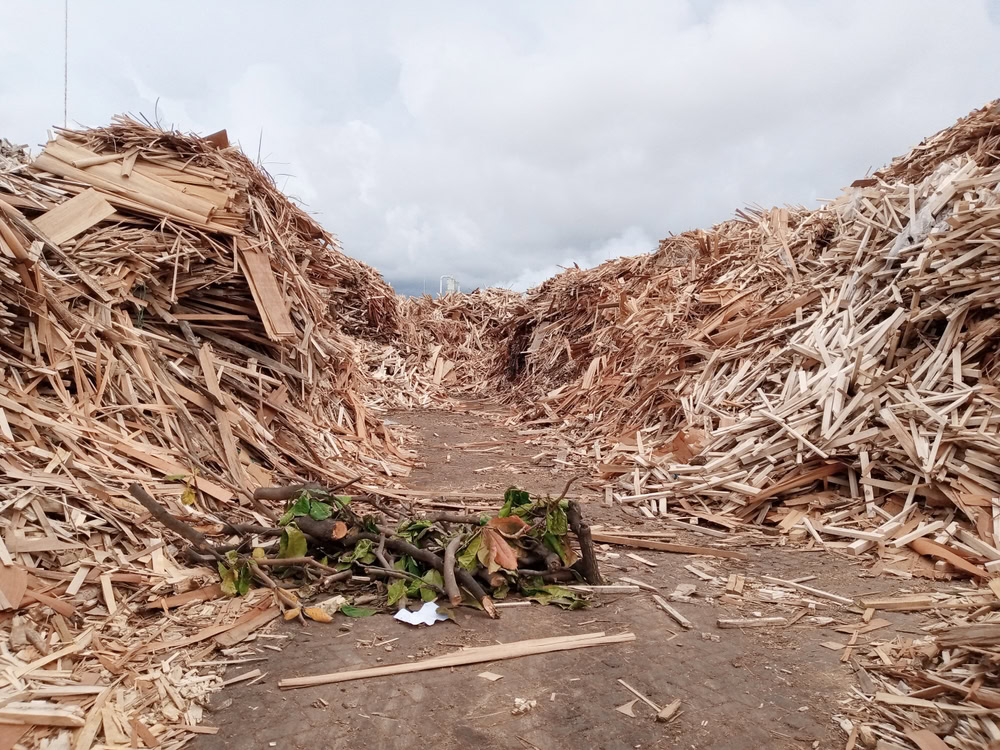
The trade body warned that constrained storage and market disruption continue to put pressure on the sector.
Annual statistics published by the WRA today (25 June) show that 4.013 million tonnes of waste wood were sent for reuse, recycling or recovery last year – representing 89% of all waste wood generated in the UK.
This marks a decline from 2024, when more than 4.3 million tonnes were processed, and follows what the WRA described as “very challenging and unprecedented market conditions”.
The fall comes after a series of unplanned outages at end-use facilities during 2025, particularly in the biomass market, which created oversupply across the sector and left recyclers struggling with growing stockpiles.
While the 89% processing rate remains high compared to many other waste streams, the WRA said the figures highlight weaknesses in the system when capacity is disrupted.
Julia Turner, Executive director of the WRA, said: “These figures show that our sector proved resilient in 2025 in the face of very challenging and unprecedented market conditions,” she said.
“We continued to process over four million tonnes of material during the year, which shows how our sector worked tirelessly to ensure material kept moving wherever possible.”
Biomass decline drives overall drop
The WRA’s annual figures, based on a survey of members representing around 90% of the market, show the sharpest decline was in large-scale biomass.
Volumes sent to large-scale biomass fell 12% year-on-year to 2.459 million tonnes, making it the biggest contributor to the overall fall in processing.
By contrast, panel board volumes rose slightly by 0.7% to 927,000 tonnes, continuing to provide a stable outlet for recycled wood.
Other recycling routes, including animal bedding, equine surfaces and reuse, fell slightly overall to 300,000 tonnes. However, reuse itself increased by 12%, which the WRA said reflected growing activity among social enterprises.
Net exports also rose by more than 12%, increasing from 211,000 tonnes to 237,000 tonnes, while small-scale biomass remained flat at 90,000 tonnes.
The WRA estimates total UK waste wood arisings remained stable at 4.5 million tonnes in 2025, suggesting the fall in processing was not due to reduced supply, but rather limited capacity and market disruption.
The association said some of the unprocessed material had likely been stored for 2026, while other volumes were diverted to energy-from-waste, landfill, or “unregulated outlets”.
Storage flexibility remains key issue
The latest figures come amid ongoing concern over storage restrictions at waste wood sites, an issue the sector has increasingly raised over the past 18 months.
In recent months, recyclers have warned of stockpiles building to critical levels as seasonal peaks in waste wood volumes coincide with reduced off-take from biomass plants.
The WRA has called for regulators to adopt a more flexible, risk-based approach to storage limits, arguing current permitting rules are too rigid to account for market volatility.
Turner added: “A small but significant proportion of waste wood was lost to outlets such as landfill or in some cases ended up at illegal waste sites.
“Without greater flexibility at permitted sites, there is a real risk that this summer, more material will find its way to illegal sites.”
The issue comes against a wider backdrop of pressure in the waste wood market, with operators continuing to deal with elevated carry-over stocks from 2024 and strong seasonal inflows.

Register for free to comment