

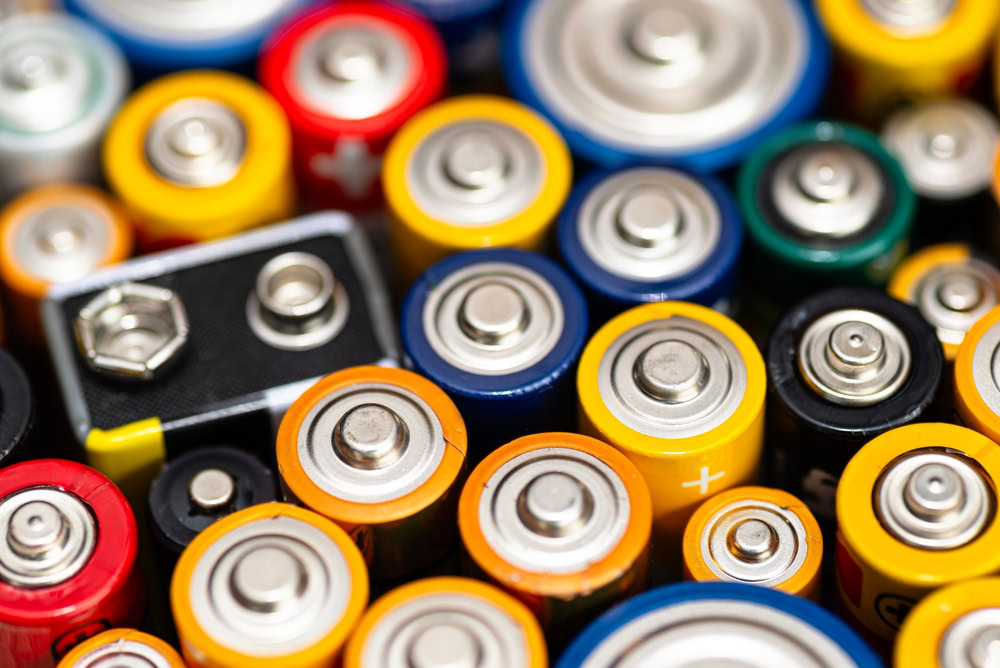
Krystal Ogier was initially issued with the fine after 23 AA batteries were found in a one-tonne waste bag, a waste collection service offered by Island Waste, she had ordered online. The batteries had been inside children’s toys that were thrown away.
Island Waste, one of four waste management companies in the Guernsey Recycling Group, operates a policy that issues a £500 penalty for each battery discovered in general waste, leading to the large initial charge.
The fine has since been reduced to £1,000.
Ogier said she was aware that batteries were not permitted in the waste bag but had not realised that disposing of toys containing batteries would break the rules.
She commented: “The reason we moved out of the property was because it was getting so expensive.
“So when you get that added cost on top, it’s soul-destroying.”
Scott Butler, Executive Director at Material Focus, added: “Handing out fines to the public for throwing away batteries isn’t a widely used tool by local authorities across the UK.
“With our Recycle Your Electricals campaign our focus is on encouraging people to reuse and recycle by making it easier for electricals including batteries to be safely reused and recycled.
“Electricals and batteries should never be binned as we lose valuable materials and they can cause dangerous fires in bin lorries and recycling centres.”
Battery fires reach ‘epidemic levels’
The incident comes as the waste sector warns that incorrectly discarded batteries are increasingly contributing to fires in refuse vehicles and recycling facilities.
The Environmental Services Association (ESA) has issued a warning that battery fires in the UK’s waste sector have reached “epidemic levels”.
Research from Material Focus found that more than 1,200 battery-related fires broke out in refuse vehicles and waste facilities during 2023/24 – a 71% increase compared with the previous year.
The trade body estimates these incidents now cost the UK over £1 billion each year, while also threatening critical waste infrastructure and the safety of workers.
Lithium-ion batteries, found in many everyday items including mobile phones, toothbrushes and e-cigarettes, are responsible for nearly half of all waste fires in the UK, according to the ESA.
When these batteries enter the general waste stream, they can ignite if crushed or punctured during collection or processing. This can trigger fires that damage recycling infrastructure, destroy vehicles and place frontline workers at risk.
Larger waste operators report experiencing an average of 15 vehicle fires every month, with several refuse trucks lost to battery-related blazes each year.
Public still behind on disposal practices
Despite the risks, research suggests that many households are still disposing of batteries incorrectly.
Recent polling from communications consultancy Citypress found that nearly one in five respondents (19%) admitted to throwing batteries into household waste.
The research also showed that 11% of people said they had disposed of disposable vapes in general waste over the past year, despite these products containing lithium-ion batteries.
However, most households believe they are recycling correctly. Two thirds of respondents (66%) said they are confident they dispose of recyclable materials in the right way.
Fiona Carmichael, Head of Trade and Industry at Citypress, said: “People are generally confident they’re recycling correctly, yet hazardous items like batteries are still finding their way into the waste stream – which can have serious consequences for collection vehicles and recycling facilities.”

Register for free to comment