

The problem isn’t whether it can be done. Smelters already reclaim metals from circuit boards and server racks, but at a high cost to the environment, requiring vast furnaces running at extreme temperatures and usually shipping material overseas.
With electronic waste volumes rising rapidly and critical raw materials high on governments’ agendas, the industry is under pressure to find “cleaner”, faster and more localised solutions.
One company aiming to provide that is DEScycle, founded in 2020 by Leo Howden, Rob Harris and Fred White.
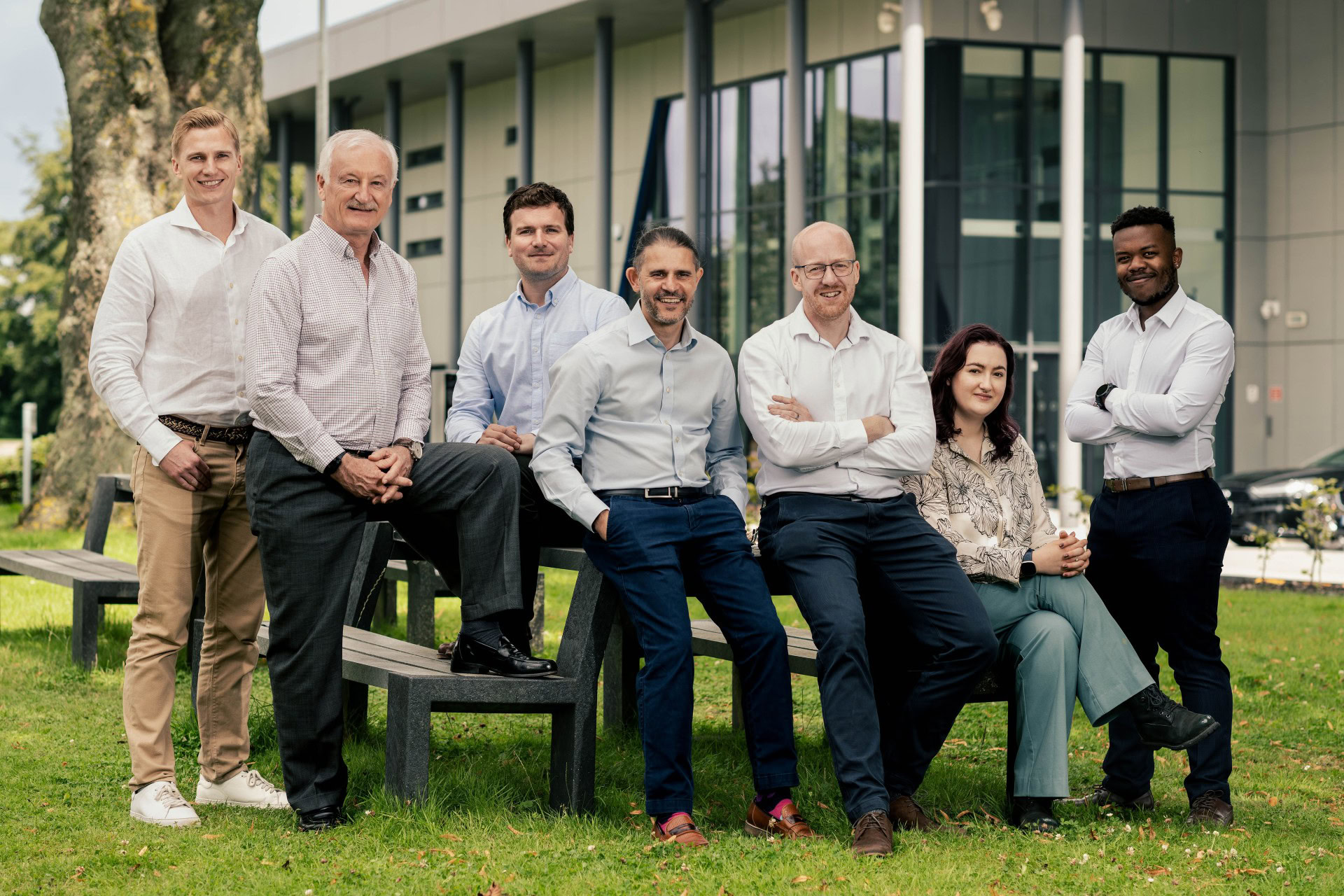
The trio created the tech company in 2020, combining Howden and White’s investment background with Harris’ technological expertise.
White was a recipient of this year’s 35 Under 35 Awards for his work on DEScycle, which was announced at the ESS Expo 2025 earlier this month.
Using a new class of chemistry, the company’s technology claims near-total metal recovery at room temperature, with the potential to move recycling closer to where e-scrap is collected.
DEScycle’s chemical solution
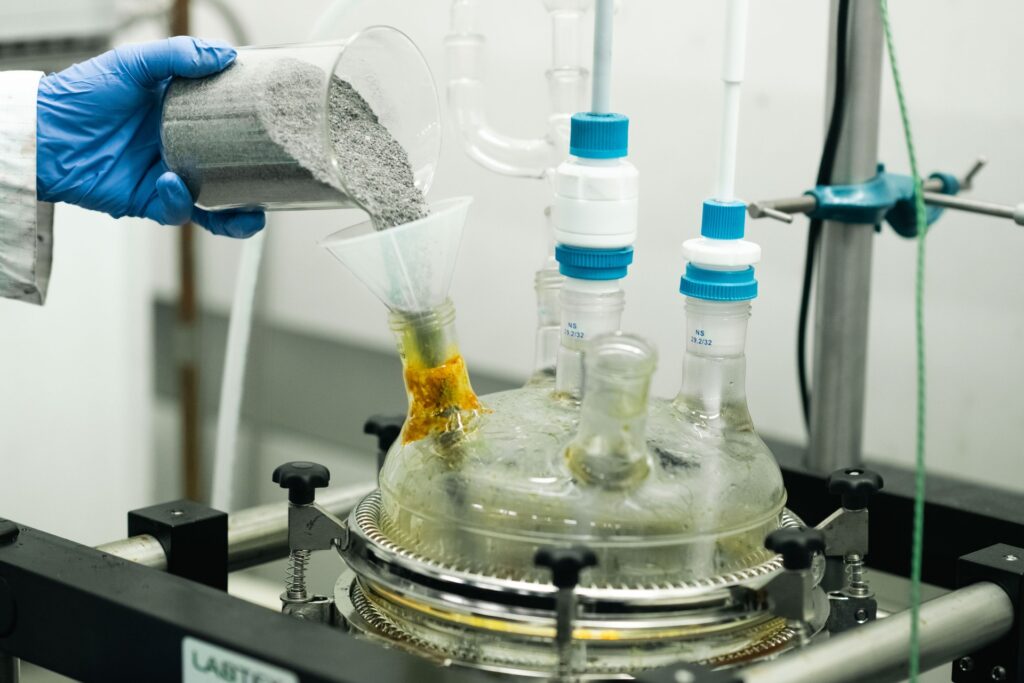
At the heart of DEScycle’s work are Deep Eutectic Solvents (DES) – recyclable liquid salts that can be used to dissolve metals.
Unlike conventional hydrometallurgical processes, which use strong acids that degrade with each use, DES operates in a closed loop. Once filled, the same solvent can theoretically run indefinitely, with only small top-ups required.
According to DEScycle, this enables over 99% recovery of metals – including gold, copper and rare earths – from printed circuit boards and other “e-scrap”. Any solids left over, such as plastics, remain untouched and can be recycled onwards.
The solvents themselves are made from everyday ingredients such as vitamin B derivatives and glycols, with DEScycle exploring feedstocks from other sources such as waste cooking oils.
Moving the point of recycling
Rather than relying on the traditional model of shipping shredded circuit boards abroad, DEScycle is attempting to position itself closer to the source of material.
Its vision is to collocate modular plants with recyclers, enabling metals to be recovered locally, and recycled into new versions of the end-of-life products.
White commented: “Our whole mission is to enable upstream recyclers to become downstream recyclers.
“We want to move the point of recycling from a globally centralised hub that imports e-waste from all over the world, which adds costs, emissions and logistical difficulties.
The goal is to remove those barriers and produce reusable materials – including critical metals – at the point where they’re actually collected.”

A partnership with GAP Group has seen the e-waste recycler as an early adopter of this technology. DEScycle is now exploring a co-located facility with GAP so that it can recycle e-scrap produced at the same facility.
The company is also looking beyond conventional e-waste channels. Data centres, where high-value hardware is routinely replaced every few years, present a fast-growing market.
Here, DEScycle sees an opportunity to provide not only metals recovery but also guaranteed data destruction, an increasingly important concern for operators handling sensitive information.
‘We’re trying to change an industry which is resistant to change’
Like many companies developing deep tech solutions, DEScycle has faced a series of challenges on its path from laboratory to industry.
Scaling a novel chemistry has required extensive experimentation, from testing reactor materials that can withstand the solvent’s corrosive properties to designing systems capable of operating at commercial scale.
Financing the journey has also been demanding. Deep tech typically requires large amounts of capital and long development timelines, conditions that sit uneasily with the short return horizons of most venture investors.
Most recently DEScycle secured £11 million in Series A funding, with investors including BGF, Vorwerk Ventures, Cisco Investments and Mitsubishi.
Beyond technical and financial hurdles lies the challenge of market adoption. Metals recovery has long been dominated by smelting technologies that are highly efficient at scale and deeply embedded in global supply chains.
Persuading recyclers to adopt a new approach will take more than evidence of technical performance; it will also require confidence in the economics, reliability and regulatory acceptance of an alternative system.
White explained: “We’re trying to change an industry which is resistant to change – it’s sceptical with good reason, because projects are very capital intensive.
“Our demo plant will be the first time we can get outside of the lab and demonstrate to the market that we can actually do what we say we can do, and what we have proven in the lab.”
Looking ahead
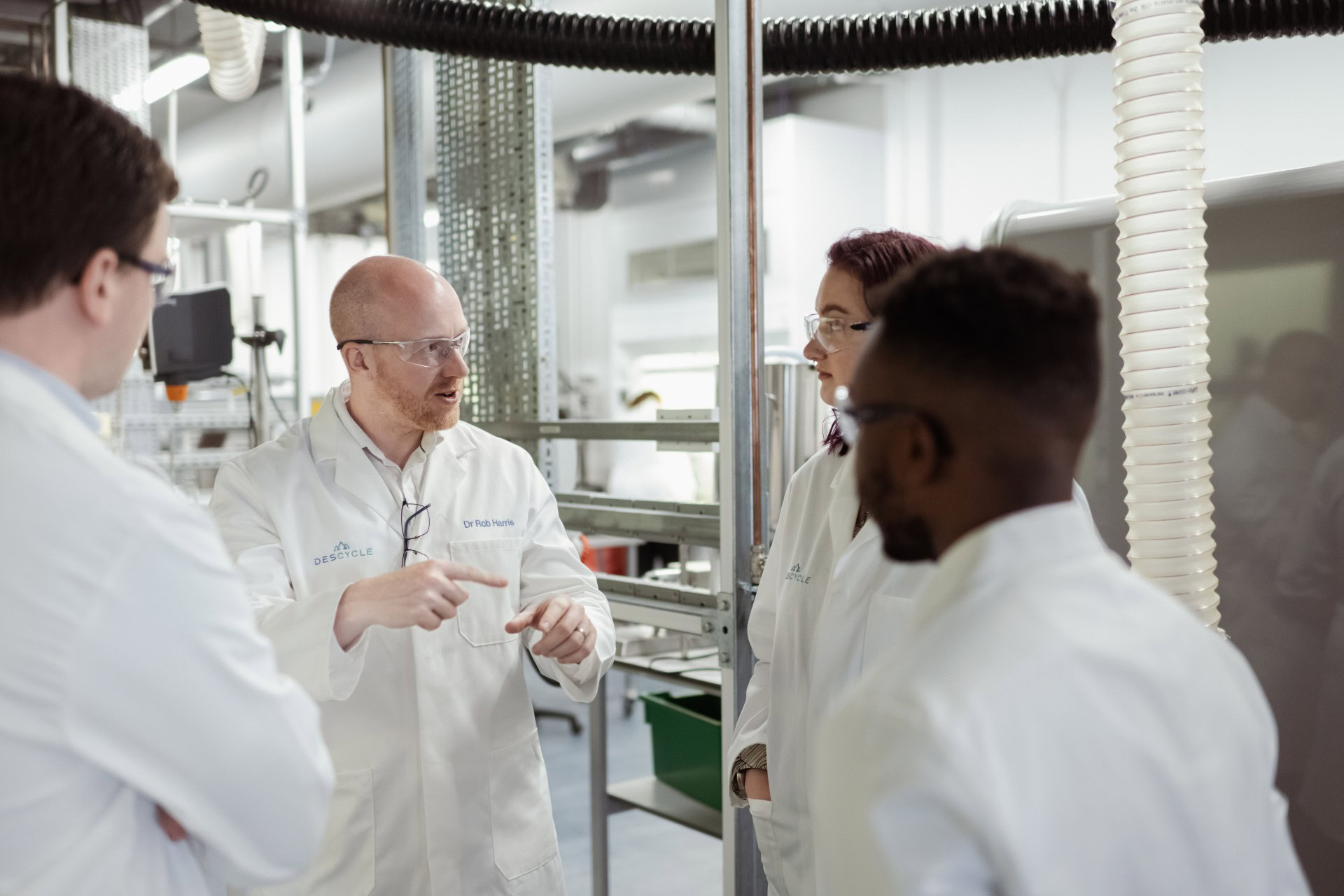
Attention is now turning to Teesside, where DEScycle’s first demonstration facility is scheduled for commissioning in early 2026.
If successful, the facility could mark the first step towards a commercial rollout.
Interest in the output materials is not just coming from suppliers, but also from other sources, like the jewellery industry looking for recycled metals with known providence.
DEScycle’s longer-term ambition is to challenge the dominance of smelters by moving metals recovery closer to the point of collection.
In doing so, it hopes to turn waste electronics – traditionally a global logistics burden – into a locally processed and traceable source of critical materials.

Register for free to comment