

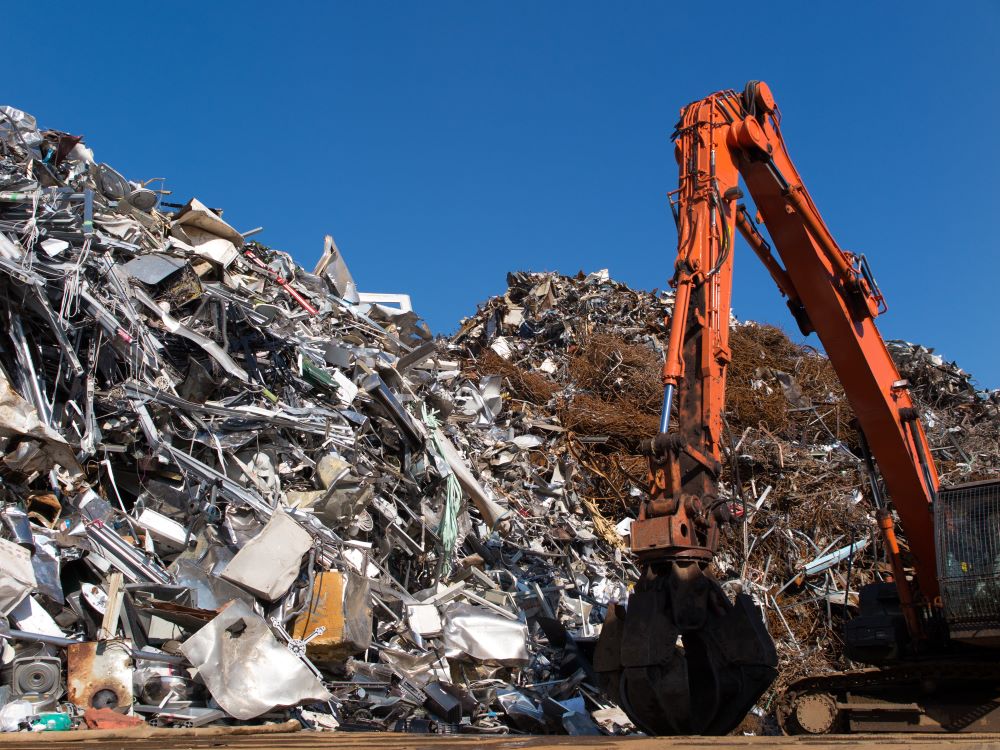
The council is facing a commercial action case from Dalton in relation to a three-year contract signed in October 2017, which saw the council exclusively send the company scrap metal from household waste recycling centres (HWRCs) for processing.
Ahead of a case where both sides will present evidence to a judge, the council had applied to limit the claim to only three months of any loss of earnings, to match a cancellation clause in the contract. This was rejected by Lord Harrower in the Court of Session on 26 January, with the decision published yesterday (30 January).
The decision document explained that the dispute arose over contamination “during the course of 2018”. By January 2019, according to the document, the council had begun processing scrap metal from its HWRCs with a third party.
Dalton is seeking damages as it claims the council “wrongfully repudiated” the contract. Dalton seeks to recover its lost earnings over the remainder of the contract term. Edinburgh has argued that the company stopped accepting loads from the council, and any claim should only cover the period of the cancellation clause.
Ruling
However Lord Harrower, presiding, dismissed this, saying: “It does not follow that damages should be assessed by reference to the least burdensome method of terminating the contract.”
He added: “No doubt the defender could have exercised the termination provisions of the contract, but it chose not to. In these circumstances there is simply no room for the principle contended for by the defender.”
The council will now face the full claim for loss of earnings when the case is heard before evidence at a later date.
Lord Harrower concluded by saying: “It follows that the defender’s attack on the relevancy of the pursuer’s averments of loss must fail.”
Dispute
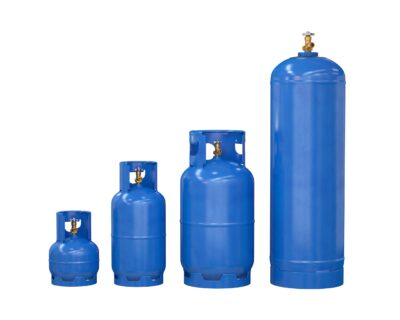
According to the document, Dalton complained to the defendant about excessive levels of contamination present in the scrap metal from July 2018. It raised a specific concern over the presence of pressurised gas canisters, which pose a fire risk.
The document added that, on 7 September 2018, “representatives from both parties met to discuss the issue. Despite the pursuer raising its concerns, the issue was not resolved.”
Dalton claims it emailed the council in January 2019 demanding that incidents involving canisters “must stop” and said it received a response saying the site supervisor “will hold the skips on site until the issue of contamination had been dealt with.” Dalton claimed not to have received another delivery.
From the council’s perspective, the document added: “Since the pursuer’s averments must be taken pro veritate for the purposes of this debate, it is unnecessary to set out the details of the defender’s response, other than to note that it places an entirely different complexion on the correspondence exchanged between parties in January 2019.
“According to the defender, with effect from 16 January 2019, the pursuer stopped accepting loads altogether from the defender.”

Register for free to comment