

Sutco acquires German waste management company
Sutco has announced that it will acquire the German waste management company BIODEGMA from 1 July.

The company said this will expand its portfolio of technology in the field of biological waste treatment.
It follows years of successful cooperation between the two companies and the realization of various large projects in the field of mechanical-biological waste treatment.
The long-standing managing director of BIODEGMA®, Ralf Müller, and his employees will also be integrated into the organization of Sutco.
BIODEGMA will remain at its current location in Ludwigsburg, Germany, and will conduct their business from there as usual.
NLWA begins mattress recycling trial
The North London Waste Authority (NLWA) has undertaken a mattress recycling trial.
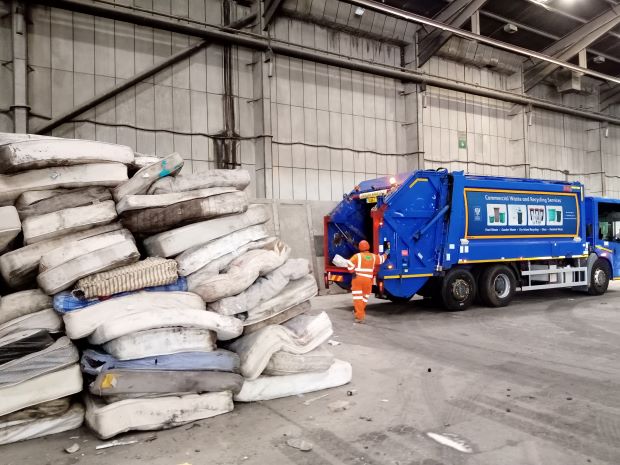
The authority announced that from the 21 June, it began to collect mattresses for recycling from all seven of its recycling centres.
This includes mattresses collected by fly-tip collection crews who go out daily to clear illegally dumped waste from the street.
It’s anticipated that the trial could see up to 700 mattresses recycled every week, equivalent to around 18 tonnes.
The trial is being delivered in partnership with NLWA’s wholly-owned contractor, LondonEnergy Ltd.
Cllr. Clyde Loakes, chair of NLWA explained: “We know there are lots of really committed recyclers in north London.
But in order to make meaningful progress in the fight against climate change, everyone needs to do their bit. That means we need Government to lead systemic change through legislation like their proposed deposit return scheme and extended producer responsibility. But we are also going to do whatever we can. That’s why we’ve worked with our partners to try to make the recycling of mattresses – historically hard-to-recycle – a reality in north London.
Biffa announces £1bn to go to green investment
Biffa has announced that it has invested £1 billion vital UK green infrastructure, “well ahead of its targets”.

The update comes as the business publishes its first sustainability report following the launch of its sustainability strategy ‘Resourceful, Responsible” in March 2020.
As part of the investment programme, Biffa has doubled its plastics recycling capacity this year to more than 120,000 tonnes at its material recycling facilities in the North East.
Biffa has also announced progress against its commitment to reduce emissions, outlining a roadmap to reach net zero no later than 2050.
Commenting on the report, Michael Topham, CEO of Biffa, said: “We have accelerated our sustainability programme despite the challenges posed by Covid-19, with meaningful delivery across a range of areas. The waste industry plays a critical role in shaping a better future for our communities and the environment. As part of our commitment to delivering on our ambitious plans Biffa has committed to unlocking £1.25bn investment in vital UK green infrastructure and I’m delighted to have already realised £1bn of that commitment, well ahead of plan.
Arc21 repeats warning of waste crisis
Northern Ireland waste management body arc21 has repeated its warning that the country risks stumbling into a waste crisis because local infrastructure is not “fit for purpose”.
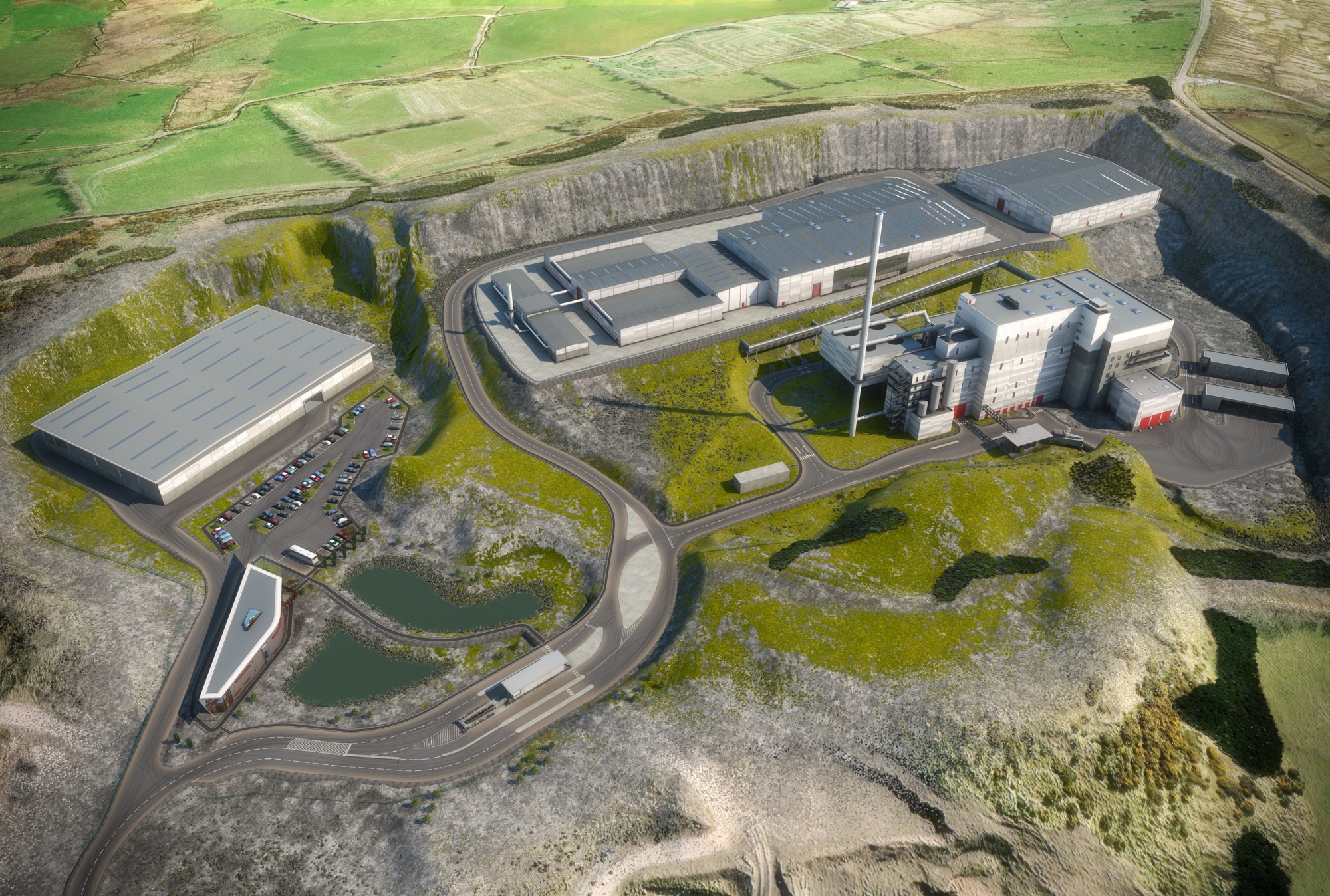
The comments came in a response from arc21 to local MPs who signed a joint letter last month urging the Infrastructure Minister to refuse planning permission for a new Energy from Waste (EfW) at Hightown Quarry, Mallusk (see letsrecycle.com story).
Arc21 say that the controversial proposals for the facility will improve council recycling rates by 5%-10%.
Tim Walker, acting CEO of arc21 commented: “Northern Ireland unfortunately has a track record of not taking decisions to invest in critical infrastructure, including waste facilities. Although it’s 20-years since Stormont identified the need to develop modern waste infrastructure, we have made so little progress that the entire system is in danger of falling over. That would create a multitude of unpleasant consequences for the environment, ratepayers and our national and international reputation.
“The reality is that we produce far too much rubbish that can’t be recycled, and drastically reducing that will take years to achieve. In the meantime, we need a reliable, affordable solution that deals with our incessant, daily dumping of rubbish.”

Register for free to comment