

In a statement released on Saturday (15 May), the LGA referred to fly-tipping statistics published by Defra in February, which show that in the year 2019/20 local authorities were forced to clear up just under 1 million (976,000) fly-tipping incidents.
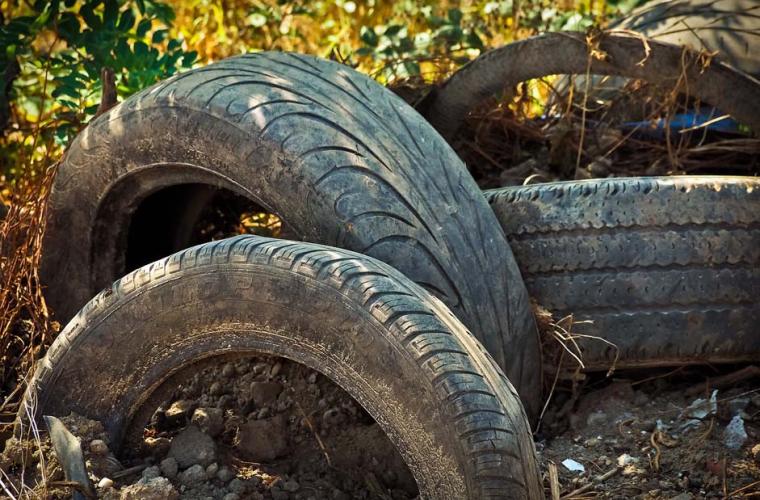
The LGA estimated that this equates to around 20,000 instances of fly-tipping in England a week, where councils have had to clear up materials including tarmac, asbestos, tyres and even a boat.
It reported that councils are “working hard” to crackdown on offenders, with the number of court fines issued increasing by 30% in 2019/20, which was a 7% increase compared to the previous year.
However, it added that prosecuting fly-tippers often requires “time consuming and laborious investigations” with a “high threshold of proof”.
As a result, the LGA is urging the government to review its sentencing guidelines to ensure that offenders are given “bigger fines for more serious offences”.
‘Inexcusable’
Cllr David Renard, environment spokesperson for the LGA, said: “Fly-tipping is inexcusable. It is not only an eyesore for residents, but a serious public health risk, creating pollution and attracting rats and other vermin. It also costs local taxpayers almost £50 million a year to clear up which could be better spent on other vital services in our communities.
“With 20,000 incidents of fly-tipping a week, it is time the Government looks at its sentencing guidelines to ensure that those caught and prosecuted for fly-tipping receive significant fines that are recovered quickly to deter them from spoiling our parks, highways and verges again, and to help offset the huge costs to councils.”
“It is time the Government looks at its sentencing guidelines to ensure that those caught and prosecuted for fly-tipping receive significant fines”
Take back
The LGA is also urging residents to dispose of waste properly using the nearest household waste and recycling centre (HWRC) or private disposal company.
It added that it also wants manufacturers of furniture and mattresses to do more to offer take-back services.
The LGA statement reiterates that anyone using a private company to dispose of any waste, should check that they have a Waste Carriers License, which is required by any business that buys, sells, disposes of or transports waste.
It says the government is also currently looking to strengthen the scheme which currently fines those without a license up to £5,000.

Register for free to comment