

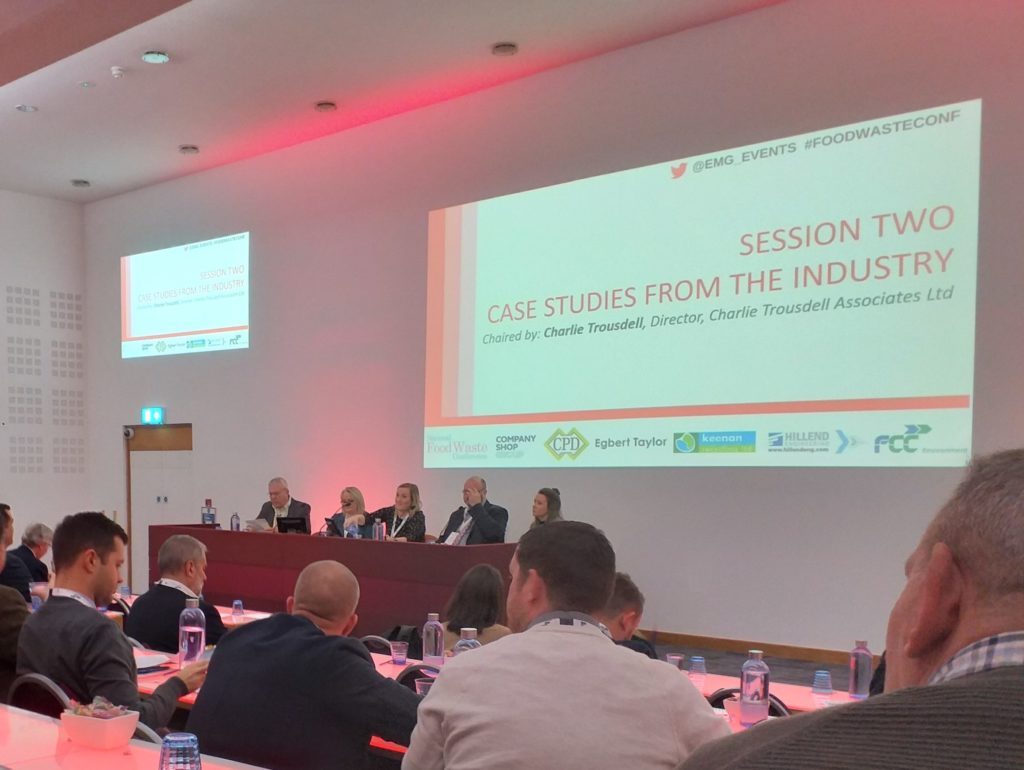
Michelle Whitfield, head of communications and behavioural change at GMCA, spoke on the difficulty of introducing food waste recycling schemes in flats.
She attributed the success of Greater Manchester’s recently introduced scheme to the targeting of so-called ‘segments’ of the local populace.
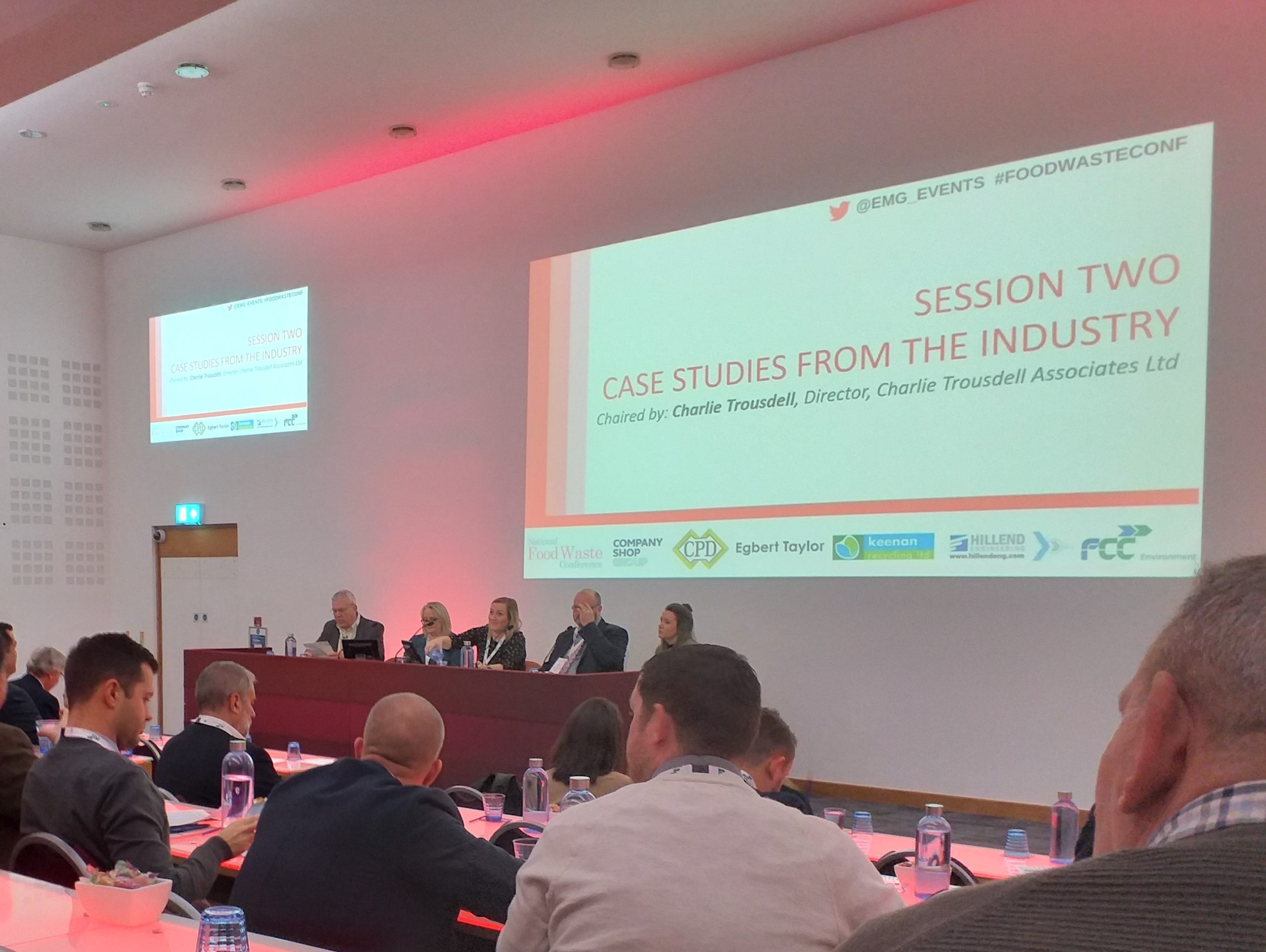
Ms Whitfield said: “Segmentation really allows us to understand the attitudes and behaviours of people, in this case in relation to recycling.
“It allows us to really understand what motivates people and what their values are, so we can then make changes.”
Based on research conducted by resources body WRAP, GMCA split Manchester’s population into six segments who shared habits and attitudes towards recycling.
Of the one million households in the Greater Manchester authority, 17% are flats.
According to Ms Whitfield, data had shown those who lived in flats were likely to be indifferent towards food waste recycling. Therefore, marketing material focused on the perceived benefits recycling could bring to individuals, rather than how it could help the environment.
Enfield
With a large Turkish population in the London borough of Enfield, the borough’s campaign targeted the press in various languages.
Jade Goodwin, strategic waste and recycling manager for the north London borough, said: “We used local press and especially ethnic press to engage with the local community. In Enfield we have a large Turkish community, so that was a really good thing to do.”
When the scheme was rolled out 90,000 23 litre brown food caddies were distributed within the borough. Ms Goodwin said the scheme had been well-received.
Motivations
Meanwhile, representatives from food recycling business Olleco spoke on how best to implement food waste recycling in the service industry.

Gill Gallagher, national account manager of the food waste division at Olleco, and Rachel Hughes, Olleco’s head of national sales, described how, when tailoring a food collection system to a business’s needs, the motivations behind the urge to bring in such a system should be understood.
They described the four most common drivers as sustainability, legislation, commercial incentives and societal pressure.
Targets
And, Hannah Dean-Wood, membership manager at the Sustainable Restaurant Association (SRA), concurred that for her clients the most successful schemes were those which had been tailored to their specific needs.
She spoke at length about the SRA’s ‘Food Waste Bad Taste’ scheme, which walked businesses through how to implement food waste recycling and reduction in six simple steps.
During her presentation she emphasised the need to set individual and achievable targets.



Register for free to comment