



The National Infrastructure Commission released its report into the UK’s infrastructure, covering a range of topics from water supply, carbon emissions and transport as well as issues around waste infrastructure.

It called for tough targets on plastic recycling, including 75% of it to be recycled by 2030, in order to mitigate the need to build additional waste management infrastructure. Better packaging design, clearer labelling, fewer hard to recycle plastics, and tougher recycling targets (of 65% of municipal waste and 75% of plastic packaging by 2030) could all reduce residual waste and help reduce the need for additional infrastructure, according to the report.
Welcome
Findings from the National Infrastructure Assessment are most welcome indeed. While many consider infrastructure to focus almost entirely on roads, rail and transportation, the report showcases how considering our national waste management network within these parameters could have a considerable impact on cutting carbon, reducing pollution and improving quality of life.
The Commission’s future recommendations are very much in line with our beliefs – in particular, the introduction of recycling symbol labelling, a consistent national recycling standard, incentives to prioritise the use of recyclable packaging and a common framework for reporting corporate recycling rates.
It is essential to make recycling easy for householders, prioritise best practice recycling processes that enable increased reprocessing rates (clean, separate collections, free from contamination) and prevent food waste from ending up in landfill.
Future
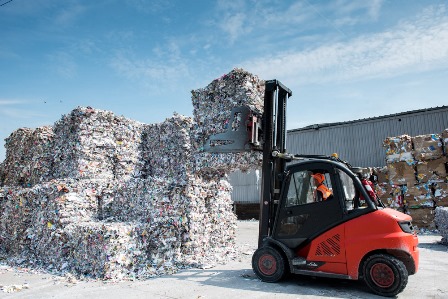
Looking ahead, it’s easy to see the impact waste management will have on our national infrastructure of 2050. It’s vital that measures are taken today to improve our landscape for tomorrow.
One such measure is to look at the emphasis the UK puts on the waste hierarchy and keeping the value of materials in supply cycles for as long as possible. In England, the amount of waste burned by local authorities has tripled, while household recycling rates stall. A recent Green Party report stated that if this trend continues, the millions of tonnes of waste incinerated will overtake the amount sent for recycling by the end of the current financial year.
Good recycling should be encouraged, while unsustainable solutions should be discouraged. Introducing an incineration tax is one way of doing that – perhaps working with an escalator in the same way that landfill tax did to reduce landfill and increase recycling. Rather than incinerating feedstock, we are committed to keeping resources in the value chain for as long as possible – true circular economy thinking.
We need to be looking at initiatives, such as those recommended in the National Infrastructure Assessment or an incineration tax, as part of thematic approach to a low cost, low carbon economy. This would reward environmental best practice and discourage, or even penalises, bad environmental practice – as outlined by the still very relevant waste hierarchy.

Register for free to comment