

The comments came in response to questioning from MPs on the Envrionment Food and Rural Affairs (EFRA) Committee this week as part of an ongoing inquiry into food waste in the UK. Retailers were questioned as part of the same inquiry in January (see letsrecycle.com story).
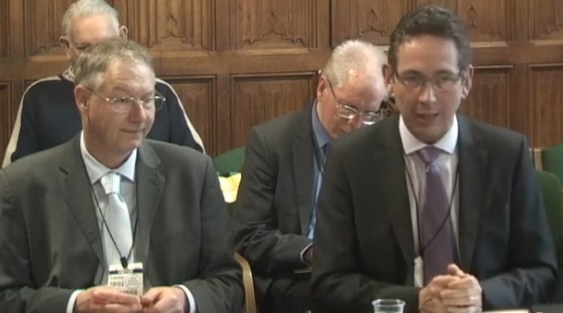
Opening the questioning, committee chair Neil Parish compared the 20% by 2025 Courtauld goal to the UN’s Sustainable Development Goal to reduce food waste by 50% by 2030, commenting that the Courtauld target “doesn’t seem so ambitious” when directly compared to the UN goal.
Supply chain
However, responding to the comments, Mr Gover said that the Courtauld target covers a wider range of activities, aiming to reduce food and drink waste from the production, manufacturing, distribution, retail, hospitality and food service sectors, as well as from households, whilst the UN’s sustainable development goal only targets a reduction of waste in the home and by retailers.
He said: “I think that is why you have got to look at the base of the two targets. The UN target is only avoidable household and retail waste, so our target in the same terms as theirs is broadly the same so it is quite ambitious.”
The latest phase of the Courtauld Commitment, which is spearheaded by WRAP, was unveiled in March 2016, with signatories to the voluntary commitment including major UK retailers such as ASDA, Tesco, Sainsbury’s and Morrisons, as well as brands such as ARLA and Nestlé (see letsrecycle.com story).
Voluntary
The Labour MP for Poplar and Limehouse, Jim Fitzpatrick, asked whether the UK had been right to rely on voluntary initiatives such as the Courtauld Commitment for action on food waste, and suggested that mandatory measures could have a greater impact on waste.
Responding to this question, Mr Gover said: “WRAP’s approach has always been through voluntary agreements. We believe that collaboration is important and that is where you are going to get a systemic change. The action that one part of the chain takes impacts someone else, and it is quite hard to regulate that sort of change.
“By collaborating and working together we have had a lot of success with Courtauld. But it is vital for a voluntary commitment to be well designed and to have clear strategic direction and leadership from those who are involved.”


Register for free to comment