

The reports – entitled ‘Compost quality and safety for agriculture’ and ‘Digestate quality and safety for agriculture’ – were issued earlier this month by resource efficiency charity WRAP (the Waste & Resources Action Programme).
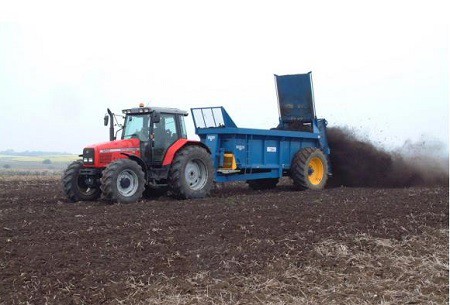
Drawing on a number of projects commissioned by WRAP since 2008 to explore the safety of using PAS 100 composts and PAS 110 digestates as renewable fertilisers, the studies conclude that the risks of using these materials are ‘ low or negligible in all scenarios examined’.
Jeremy Jacobs, head of the Organics Recycling Group (ORG) at the Renewable Energy Association, said: “This is a landmark study and it confirms what we have come to know through experience, that compost and digestate are safe to handle and apply, assuming that standard good practice is adhered to. This is good news for soils in the UK.
“Compost and digestate are core products in the circular economy and increasing their use can help improve soil health and reduce reliance on unsustainable fossil-fuel based fertilisers. The demand for these products can help support the expansion of responsible recycling practices, such as separate food waste collections. We certainly welcome these reports as a step forward for the circular economy.”
Findings
The WRAP reports summarise the findings of several projects commissioned to investigate the safety of composts and digestates meeting the PAS 100 and PAS 110 quality specifications, when used in agriculture and field horticulture. A wide range of hazards were considered – including microbiological, chemical and physical – and risks were considered to be minimal when compared to other non-waste derived fertilisers.
It is hoped the findings will help to counter concerns over the quality, safety and usability of compost and digestates derived from waste which have proven agronomic value.
WRAP said that the conclusions from the work underpinned its good practice guide and renewable fertiliser matrix which can support farmers, growers and advisers as they plan applications of compost and digestate.


Register for free to comment