


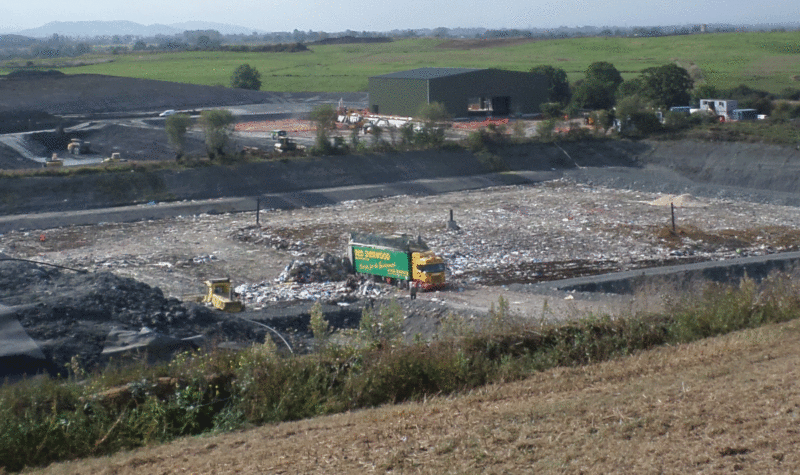
A consultation, ‘Landfill Tax: improving clarity and certainty for taxpayers’ is seeking views on amending the definition of a ‘taxable disposal of waste’, as well as views on the tax bracket for hazardous waste disposal.
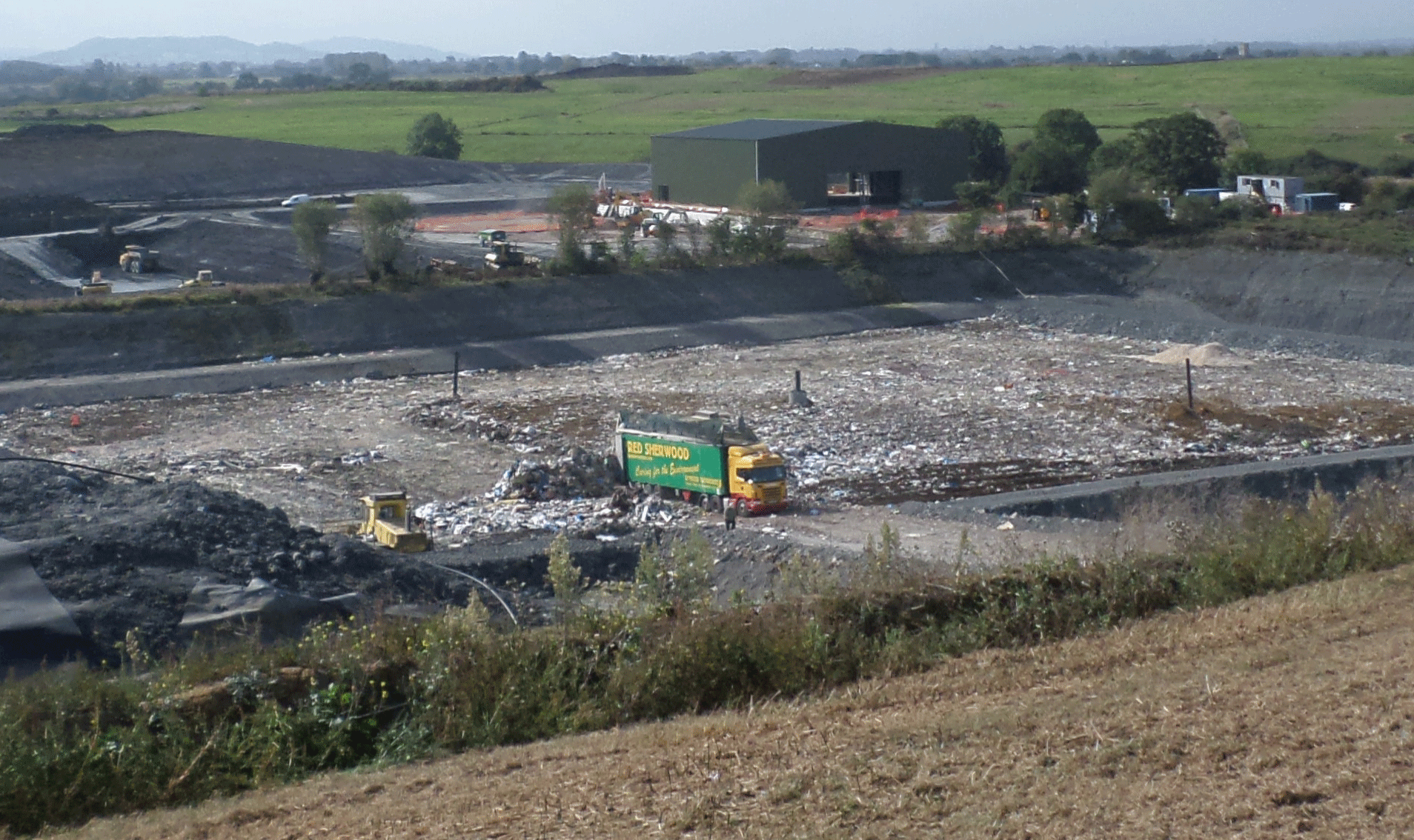
Waste companies remain unsure what ‘practical impact’ the proposals could have on landfill disposal, and it is unclear if it could affect the ongoing legal challenges brought against HMRC for repayments on materials for ‘engineering purposes’.
Due to end in August, the consultation was floated in Chancellor George Osborne’s Spring Budget earlier this year – with a view to adopt the proposals within the Finance Bill from 1 April 2017 (see letsrecycle.com story).
Criteria
In its consultation documents, HMRC notes: “The government is proposing to amend the criteria for determining when Landfill Tax is due so that all material disposed of at a permitted landfill site is taxable, subject to certain exceptions. A set of narrowly defined exceptions will be included, consistent with the activities that are not currently taxable.
“Specified activities which are currently not taxable are listed within the Excise Notice Landfill Tax LFT1: a general guide to landfill tax and replicated at Annex A. We propose to exempt these activities so that they remain not taxable.
“This proposal will differ from the approach adopted in the Prescribed Activities Order which specifies the activities that are subject to the tax. The government believes this will simplify the definition of a taxable disposal and bring any uncertainty to an end, and ensure that new activities are not introduced to undermine the tax.”
At present, operators sending waste to landfill must pay a standard rate of tax set at £84.40 per tonne, or a lower rate set at £2.65 for ‘the least polluting’ material such as fines.
However, there are a number of activities which are considered as not taxable, including fluff and soft waste used for engineering purposes to cap a landfill cell or in road construction.
The new procedure has been proposed to ensure that new activities at landfill sites “are not introduced to undermine the tax” – and to give clarity to operators who continue to challenge the tax system.
Challenges
In 2015, letsrecycle.com reported that an ‘almost overwhelming’ number of landfill operators were attempting to claim repayment for tax paid on fluff material – which has directly led to the current consultation.
It followed a historic decision by the Court of Appeal in 2008 which found where material received at landfill is put to use on the site it cannot be classified as taxable as there was no other disposal option available to processors.
The appeal victory by the Waste Recycling Group was however short-lived, when in 2012 HMRC issued two notices claiming ‘reverse or top fluff layer’ material was taxable and that its disposal did not constitute an engineering use – effectively ending the tax relief.
A coalition of waste companies led by Veolia is continuing to contest this most recent decision, as well as from landfill operators who plan to take the government to a first-tier tax tribunal. Last year, the Court of Appeal threw out HMRC’s attempt to suspend a judicial review into landfill tax repayments (see letsrecycle.com story).
The HMRC consultation notes: “There continues to be considerable challenge by parts of the industry over what constitutes a taxable disposal. This has led to uncertainty and increased complexity in the Landfill Tax system.
“Consequently, in Budget 2016 the government announced it would consult on proposals to reform Landfill Tax legislation with the aim of clarifying the areas of uncertainty that have led to litigation.”
Sam Corp, head of regulation at the Environmental Services Association, said it remains to be seen whether changing the ‘taxable disposal’ definition will have “any real practical impact on the taxable activities at landfill”.
He added: “ESA and its members are currently considering the detail of the consultation and its possible practical implications.”
Hazardous
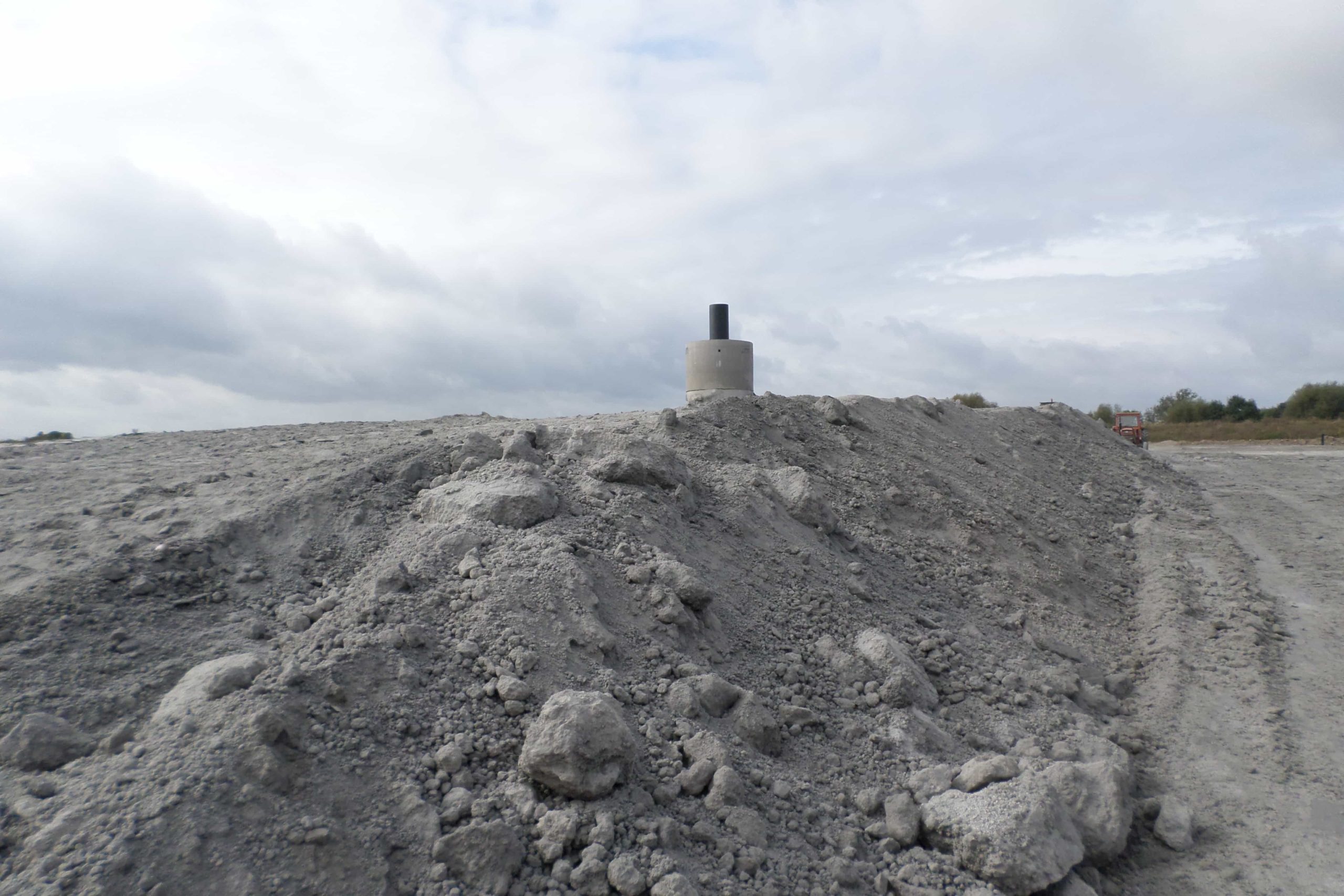
In addition, the government is also seeking views on whether to alter the scope of how hazardous waste is taxed for disposal.
Like waste fines, many hazardous materials are taxed at the lower £2.65 per tonne rate by virtue of being listed in the Qualifying Materials Order.
But, HMRC has now identified that some types of waste are liable for the lower rate of tax, regardless of their hazardous classification. “This contradicts the Treasury criteria and the principle that the more polluting the waste, the more the tax paid”, it notes.
Scotland
On both consultations, HMRC is particularly seeking responses from landfill operators and waste producers in England, Wales and Northern Ireland only – as landfill tax powers were devolved to Scotland in 2015.

Register for free to comment