
Under the proposals, Lancashire will cease composting mixed organic waste at the sites and will instead ask collection authorities in the county to provide facilities for the material – except for food waste – by April 2016.
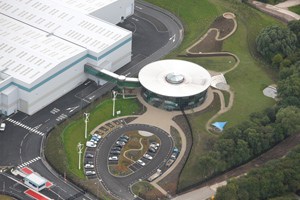
Communication and educational programmes provided at the plants will also be scrapped, and a ‘significant proportion’ of the current 370 workforce at the sites made redundant.
The proposals have been outlined in a budget position report to be considered by council bosses on Thursday (November 26) as the council seeks to cut spending by 2020.
The two MBT plants at Farington and Thornton were brought under council ownership in August 2014 after the early termination of a 25-year contract with contractor Global Renewables.
PFI
Both facilities were developed under a £2 billion PFI contract between Lancashire and Blackpool councils and Global Renewables in 2007. Defra, which had originally pledged to provide £6 million for the plants via its waste infrastructure funds, terminated its payments last year.
Lancashire county council had launched a challenge against Defra’s decision to withdraw funds, but now claims it could cost up to £5.9 million if no decision on the appeal is forthcoming this year.
In addition, the council is also facing increased insurance costs of £1.8 million – but claims that investment in a fire prevention system at the sites is underway which should reduce this pressure in ‘future years’.
The report states: “Steps have been taken where possible to reduce this burden which include GRLOL being tasked with reducing their operating costs, this is currently estimated at £0.600m however plans may result in further savings. The decision to mothball part of the waste treatment plant has been taken which will save the authority a predicted £0.500m in year and this could potentially increase.”
Changes to residual waste operations and the closure of IVC processes will require procurement of third party contracts, with a consultation with Lancashire’s PFI partner Blackpool on these changes is expected to be launched by December 31.
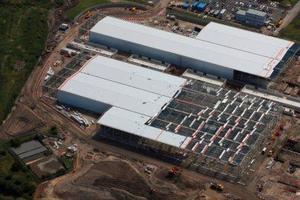
The parts of the plants earmarked for closure will be decommissioned by March 2017, with a team to explore opportunities for ‘realisation of assets’ by the end of this year.
Savings
Other savings available to the council include £300,000 from reduced opening hours at household waste and recycling centres (HWRCs), overtime payments and a new stream of income from charging individuals for inert waste disposal.
Lancashire has also forecast a £1.5 million reduction in landfill costs due to ‘improved diversion rates and cheaper options for offtakes’. It follows revelations in 2013 that some 75% of waste destined for treatment at the MBT plants had ended up in landfill.
The expected redundancies at the MBT plants come as part of wider plans by the council to scrap 367 full time jobs across all of its services. They follow 1,100 staff who have already left the authority, having taken voluntary redundancy since January 2014.
Steve Scott, head of waste management for Lancashire County Council, said: “The waste recovery parks currently divert 80% to 90% of waste from landfill – there will always be some items which can’t be processed and have to be landfilled.
“However the severe financial situation facing the council means we’re proposing to take advantage of more cost-effective ways to process some types of waste. The parks were designed to prevent organic waste, such as food left in household bins, being landfilled, as landfill taxes at the time meant it would cost vastly more to continue landfilling organic waste.
He continued: “People are throwing far less food away, meaning the proportion of organics in residual waste has greatly declined, leaving us with a process which is effective, but costly, for relatively small amounts of organic waste.
“What we are proposing will still mean a large proportion of our waste is diverted from landfill, but using other more cost-effective methods.”
Challenging
County Councillor Jennifer Mein, leader of Lancashire county council, added: “These are the most challenging times for local government in living memory as we face the combination of relentless central government cuts and rising demand for our services, particularly those serving vulnerable people.
“The reality of our financial situation is such that we will have to use the bulk of our reserves just to balance the budget over the next two years. And by 2017/18, we will only just have enough money to pay for our statutory services.”

Register for free to comment