


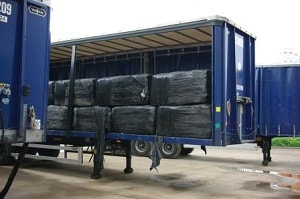


RDF – refused derived fuel – is a commodity and like every other commodity its value will move up and down in line with market trends and drivers. When additional capacity comes into the market, prices (as gate fees) will drop and when the winters are mild in northern Europe and consumption is low the prices will rise. It is as simple as that.
There has been some talk in recent years about a fundamental change in the market dynamic where high energy prices will push the value of RDF and waste in general to a very low cost and may in fact move waste from a negative to a positive value. If we look at the waste market in isolation there is some logic to the thought process, however, the reality is I think very different.
There is no doubt that energy demand will continue to rise as the world continues to develop and populations rise, but new energy is very different to old energy.
Low energy usage
On the demand side there has been a complete shift into low energy usage in almost every walk of life with perhaps the most common example being a light bulb where LED technology means that one LED light bulb uses six times less energy than one standard light bulb. Rising domestic costs have also made houses and factories far more energy conscious and “real” effort and ingenuity is going into reducing consumption. I
It is on the supply side that we are going to see the greatest changes and perhaps the biggest single pointer to that is to take oil as an example. Even a year ago no one would have predicted the impact that Shale, Fracking and deep sea drilling would have had on oil production but all of a sudden a huge surge in supply crashed the market price which in reality is set to stay low for quite some time. It clearly will not as dramatic but the pointers are there for a slowdown in the surge for energy.
In the 1980s companies were sceptical over the future of mobile phones. It was noted that handsets were heavy, batteries did not last very long and coverage was patchy and experts predicted that by the year 2000 the market would be round 900,000 phones. In reality by the year 2000 there were 100 million phones and today that number is in the billions. In recent years we have heard the same thing said about solar when in reality production has been doubling every two years for the past thirty years. In places such as Germany, Spain, Portugal, Australia, and the Southwest United States, residential-scale solar production has already reached “grid parity” with average residential electricity prices.
Solar
If the current increases in solar generation continue we could be virtually self sufficient on solar within a decade. It isn’t just solar production that is advancing at a rapid rate; there are also technologies to harness the power of wind, biomass, thermal, tidal, and waste-breakdown energy, and research projects all over the world are working on improving their efficiency and effectiveness.
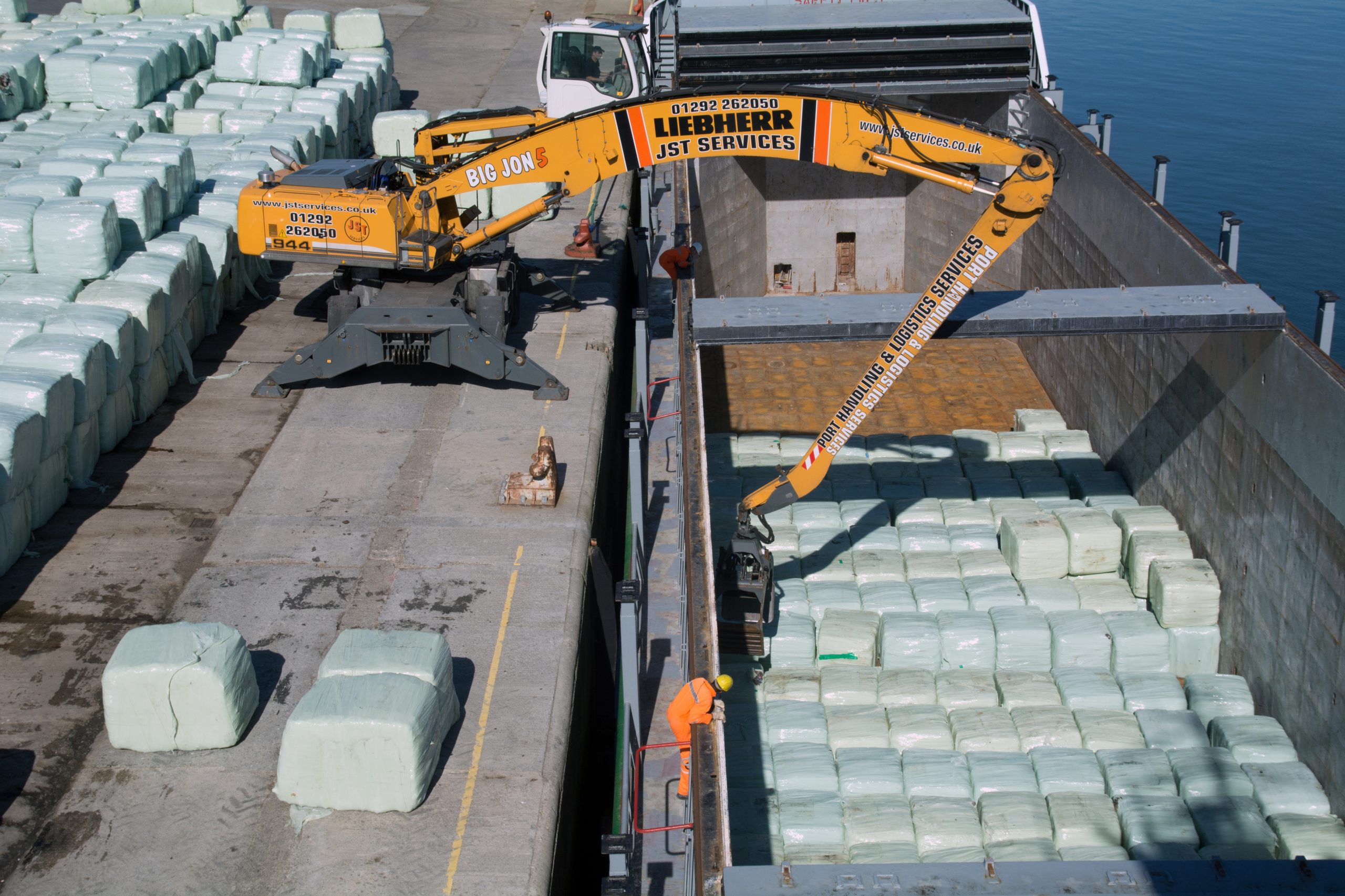
The initial predictions of a fundamental shift in the potential value of waste was driven by the thought process that universal energy demand will have a pull through effect and demand would soar well beyond the reach of supply. The reality is that waste and RDF will only play a very small part in the overall picture and with additional non waste related energy capacity coming on stream any drivers for a massive change in the value of waste will be very much held in check.
The treatment of waste is a long term process. Years in the planning, years in the development and decades in the pricing mechanisms all play a part in underpinning a stable industry that is supported by ingrained legislation such as landfill tax. That very stability will in the end be the major driver for consistent pricing in the sector for some years yet.


Register for free to comment