


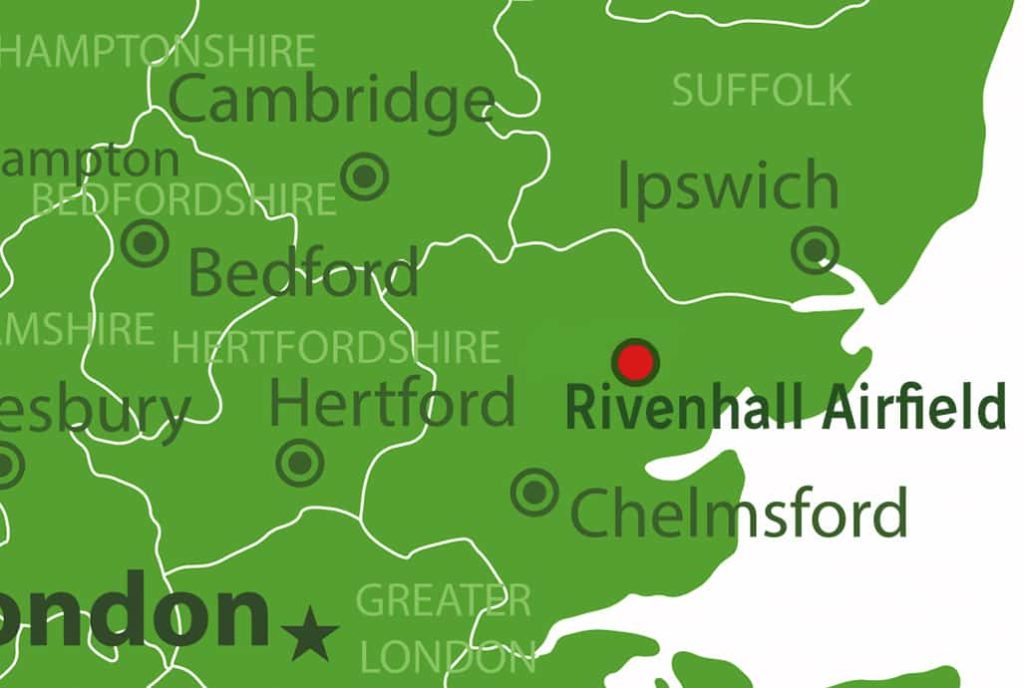
Gent Fairhead & Co. submitted a planning variation to Essex county council at the end of July requesting changes to the size and design of its Integrated Waste Management Facility (IWMF) – which is to be built on Rivenhall Airfield near Braintree.
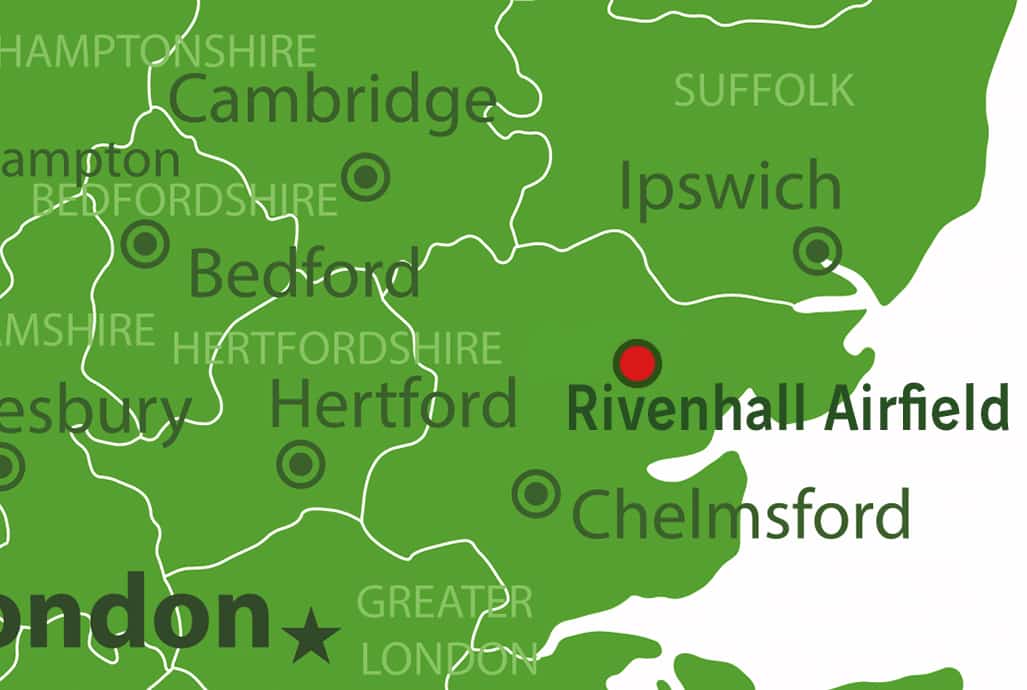
It follows the county council’s decision earlier this year to grant Gent Fairhead a variation to source waste solid recovered fuel (SRF) and recycling materials from outside the authority boundaries (see letsrecycle.com story).
The plans include an on-site combined heat and power (CHP) plant, materials recycling facility (MRF), mechanical biological treatment (MBT) facility, anaerobic digestion (AD) facility and a de-inking and paper pulping plant.
The Herefordshire-based company has confirmed it is not seeking changes that relate to the maximum waste and paper inputs to the site, traffic movements, or the height of the CHP stack.
However, in applying to amend its section 73 application, Gent Fairhead has detailed changes to the projected throughputs for the site.
Capacity
The developer currently has permission to treat 853,000 tonnes of commercial and industrial (C&I) waste each year, though some material will be processed through more than one of the on-site facilities.
Gent Fairhead now intends to increase the fraction of SRF to its CHP plant from 489,000 to 595,000 tonnes.
In its original application submitted in 2010, Gent Fairhead projected throughput for the CHP at 360,000 tonnes of waste per annum – meaning an increase of 235,000 tonnes since planning began.
The firm also intends to scrap one of the three planned boiler lines, meaning the thermal capacity will be reduced from 204MWth to 184MWth. The variation report states: “This change makes it technically possible for the IWMF to accept the RDF from Basildon, and other similar treatment plants.”
In contrast, the firm has revised the amount of recyclable material that it intends to process at the sites, with the MBT plant capacity lowered from 250,000 tonnes to 170,000 tonnes. This will ‘concentrate’ on drying commercially sourced biodegradable waste, rather than the intended municipal residues.

Projected feedstock for the proposed AD plant has also been more than halved from 85,000 tonnes to 30,000 tonnes per year. The company claims the council’s decision to award its green and food waste contracts to Material Change Ltd means a reduction in how much organic waste can be sourced from Essex.
Paper
And, the capacity for paper pulping will also be halved under the plans from 360,000 tonnes to 170,000 tonnes per year. This the firm claims takes into account the current market which has ‘changed since the application due to the recession’.
However, the firm has not ruled out building a second line for the pulp plant in the future ‘as and when the market demands may increase again’.
In total, the combined overall capacity of the Integrated Waste Management Facility would be reduced from 1,471,500 tonnes to 1,265,000 tonnes per year.
The variation is the latest development at the long-anticipated Gent Fairhead site, which has undergone a number of changes since its inception five years ago.
The planning application was originally “called in” by the then Secretary of State John Denham – who granted planning permission in 2010 subject to 63 conditions and a legal agreement (see letsrecycle.com story).
Commenting on the latest update, Green Party district and county councillor James Abbot told letsrecycle.com that “enough is enough” and called on the company to submit a “completely fresh application for what it actually wants to build”.
[testimonial id = “281” align=”right”]
He said: “If what they are proposing now was put in front of the Inspector five years ago would they have recommended the Secretary of State grant the application? He liked the idea that a binary paper and CHP project would result in a closed loop system. That material is no longer there.”
Principles
A spokesman for Gent Fairhead & Co. said: “There have been some modifications to individual process capacities, but the principles of the integrated facility have not altered, and the submission shows how the net environmental impact has been reduced. Only a proportion of reject material removed from the site will be landfilled, the majority going to specialist recycling and recovery plants elsewhere.
“Whilst internal processes have been modified to meet the changing needs of the waste market, the main changes that have been made to the IWMF’s design relate to changes in construction techniques within the footprint of the existing quarry, which have led to a reduction in the physical size of the facility. The thermal capacity of the combined heat and power plant has actually been reduced.”
It is understood that the county council will review the planning variation in late October. Construction of the plant is currently expected to be pushed back to 2017 following an extension of the deadline.


Register for free to comment