


The WYG study is one of three critical reviews that have been published into the Partnership’s activities during its roll out of the ‘Recycle for Dorset’ scheme. The three reviews are to be presented in a report to members of the body’s joint committee next week.
The fallout from the overspend has already led to the temporary suspension of Dorset Waste Partnership director Steve Burdis, who had been at the helm of the Partnership since it was established in April 2011 (see letsrecycle.com story).
The committee report, which has been published this week, includes an internal audit by the South West Audit Partnership (SWAP), as well as an efficiency review by Local Partnerships (jointly owned by the Treasury and Local Government Association). All assessed that DWP has shown mismanagement of its finances, the joint committee of the partnership has concluded.
Numerous recommendations within the report include a review of the governance structure within the Dorset Partnership, full training of the senior management team, and more ‘transparency and openness’ in future.
Staff
The reviews recorded high levels of staff sickness, overtime payments and hiring of agency staff which were not factored into its budget. WYG estimated DWP could save £300,000 just by reducing absenteeism from 15 days to six days per year among its staff.
WYG also highlighted ‘serious falls in the value of dry recyclables’ were no doubt partly to blame for some of the financial problems – and it was made clear that this would be an area of ‘considerable risk’ to the budget when DWP was first established.
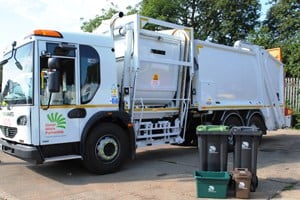
But it was the Partnership’s decision to hire vehicles that drew the most criticism in the report, which made up £1.3 million of the total overspend – greater than the excess in operational staffing and disposal costs combined.
The SWAP investigation found that ‘no formal recommendation was sought nor approval given’ for Dorset to switch from buying to hiring vehicles – though finance reports show that committee members were aware of the change in delivery model from January 2014.
Purbeck
The decision was partly due to the fact that no collection vehicles had been transferred with regard to Purbeck district council. There were also difficult access requirements for a number of households in the Purbeck area, and a short timescale for the roll out of the ‘Recycle for Dorset’ service in that area in March 2013.
Problems with the operating model of dual and tri-stream collection lorries also meant Dorset was forced to assess different delivery models before buying more vehicles.
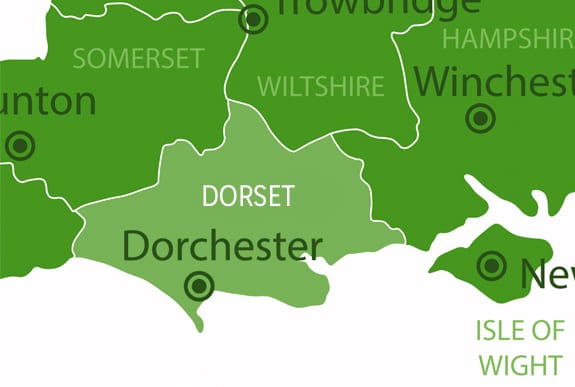
The Local Partnership review found that a consultant’s concept of a single type of collection vehicle for the majority of area was ‘too simplistic’ for the geography of Dorset – failing to account for the narrow streets and lanes and difficult collection properties in some parts of the region.
It was a view reiterated by WYG in its report. The consultancy conceded that the roll out of the Dorset Partnership had gone ‘relatively smoothly and quickly’ compared to other waste partnerships – but that reporting of performance data and the effects on the budget had been lacking.
‘Naivety’
The WYG report states: “Fundamentally, we believe that there was a total naivety to the choice of vehicles for the new service. This is not a criticism as to the use of recycling system but there was an assumption that the three compartment vehicle was the solution to collecting food waste, dry mixed recyclables and glass in one pass and an assumption that these vehicles would be suitable throughout the Partnership area.
“It should have been obvious that Dorset is very much not a situation where one size of vehicles would suit all locations and we are staggered that anybody could have thought it would be the case.”
The consultants suggested a slower introduction of the new service should have been considered. “An option that appears to have been never considered was to delay the roll-out, this might have had other financial consequences in terms of the continued use of landfill, but the option was never costed. In our view it certainly could have avoided much of the overspend on hired vehicles.”
WYG concludes that it is not clear who was responsible for the degree of the overspend – but could not find any reporting or monitoring data for the hiring of vehicles.
The hiring of vehicles will cease completely from May 2015 – but WYG adds it is likely the Partnership will encounter further overspending in the future as a result of the decisions made prior to the 2014/15 budget.


Register for free to comment