

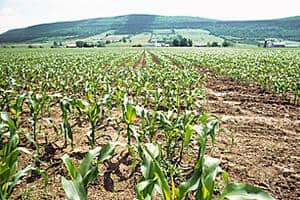
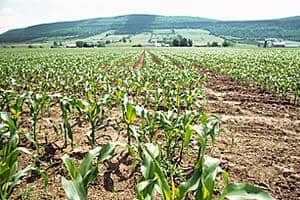
Compost and digestate derived from household food waste can now be used on organic farmland, in a move which could benefit both organic waste recycling companies and organic farmers.
The Soil Associations certification body, Soil Association Certification Ltd, announced today (March 31) that it will permit the use of composts and digestates derived from household food and green waste on farms which it has certified as organic.
Soil Association Certification Limited is a wholly owned subsidiary of the Soil Association charity, which is dedicated to supporting and promoting organic food and farming.
Although the Soil Association standards have always allowed the use of source separated and properly composted or fermented household waste, the perceived risk of genetically modified organism (GMO) contamination has, until now, prevented organic farmers from using this type of waste.
And, the Association for Organics Recycling (AfOR), which represents the interests of the organics recycling sector, welcomed todays move. The organisation said it had come at time when demand for soil amendments derived from organic sources had never been greater.
Mike Orr, chairman of AfOR and executive director of NOFCO, a wholly owned subsidiary of the organics recycling company the TEG Group, said: “This change in direction from SACL means that this opens an additional market for this valuable resource to be used, it is recognised that composts and digestates provide extremely good value to farmers and AfOR welcomes this decision.
Review
The announcement follows a detailed review by Soil Association Certification of the risk of potential GMO contamination. The Association for Organics Recycling (AfOR), the Waste & Resources Action Programme and environmental consultancy Resource Futures were also involved in the review process.
The review concluded that the risks are currently extremely slight in material sourced from households although the Soil Association Certification will continue to review risk levels on a regular basis.The announcement is expected to benefit both organics recyclers – by opening a viable end market for their outputs – and organic farmers who will benefit from the use of nutrient-rich food waste derived compost and digestate.
Jeremy Jacobs, managing director of AfOR, told letsrecycle.com: At the moment if you are in organic farming, you can use animal manures and garden waste compost but up and until now you couldnt use food waste or anaerobic digestate and those are both high in nutrients.
So this is a boon to organics farmers and it is another outlet for composters and it will open up the market and provide something that is sustainable. So it is a win, win situation.


Register for free to comment