

Warwickshire county council has officially signed a deal with Staffordshire county council to send around 35,000 tonnes-a-year of residual waste to the proposed Four Ashes energy-from-waste incinerator once it becomes operational in 2013.

The deal, signed yesterday (August 25), makes Warwickshire the third local authority to commit to sending residual waste to the Four Ashes facility, which is being developed by Veolia Environmental Services and is expected to become operational at the end of 2013.
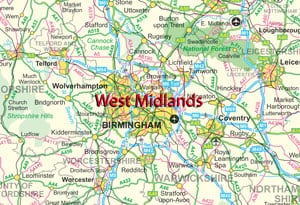
The plant is set to be constructed by Veolia at Four Ashes near Cannock under its £1 billion, PFI-backed waste management contract with Staffordshire, known as the ‘Waste 2 Reduce' (W2R) project (see letsrecycle.com story).
Other councils to have agreed to send material to the facility are Walsall metropolitan borough council – which is set to send 50,000 tonnes-a-year to the plant – and Sandwell metropolitan borough council, which will be sending 60,000 tonnes-a-year to the facility.
Warwickshire claims that the deal with Staffordshire could save it around £65 million over the length of the contract when it takes into account the current cost of waste disposal for residual material, while not hampering its efforts to develop a large-scale energy-from-waste incinerator in Coventry under the Project Transform partnership.
Speaking to letsrecycle.com today (August 26), David Whitehouse, project manager at Warwickshire county council, explained that the W2R arrangement would work alongside Project Transform and not “usurp” it. He said: “The W2R project complements what we are doing with the other waste project, Project Transform is still on.
“The planning for this has been done with Project Transform in mind and the waste going to Staffordshire will be drawn from North Warwickshire and areas around there like Nuneaton, so we will have three and a half local authorities which will send material to a facility constructed under Project Transform.”
Mr Whitehouse also claimed that the transport network, such as the A5, in the north of the county would help make the practice of sending material to the Four Ashes facility sustainable.
Project Transform
Warwickshire had debated the possibility of withdrawing from the Project Transform partnership after a motion was proposed by councillor John Whitehouse in March 2010 to investigate alternatives to the proposed technology at the heart of the waste plans (see letsrecycle.com story).
However, the Liberal Democrat-led council voted to remain a member of the partnership, which has secured £129.1 million in PFI-funding to develop a waste treatment technology for the region (see letsrecycle.com story).
The decision to sign the deal with Staffordshire has drawn the ire of local campaign and anti-incineration groups – who have questioned the figures used to calculate the perceived savings from entering the deal.
Campaigner Keith Kondakor said: “The most basic factual error is the claim that the contract will save Warwickshire an estimated £65million over the life of the contact. That works out at £74 per tonne saving, which will be hard given Warwickshire's landfilling costs are £10 to £20 per tonne plus tax.”


Register for free to comment