

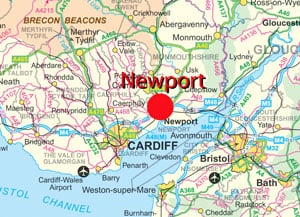

The legal ruling means that, from 2010/11, Newport will have to reduce the amount of biodegradable municipal waste it sends to landfill by around 1,600 tonnes a year more than it has in previous years.
Newport claimed that it is being “penalised” for being one of three councils in Wales to have “genuinely” reduced its waste arisings, and stressed that it had focused its recycling and reduction efforts on reaching the initially calculated figures (see letsrecycle.com story).
In a statement following the court ruling, the council said: “During the review it was made clear that with alterations to landfill allowances throughout Wales, there would be some winners and losers.
“Unfortunately, Newport city council and its residents are amongst the local authorities which will be affected by reduced allowances,” it added.
While it said it accepted the decision, the council said it was disappointed with the ruling, claiming there was a “possibility” it would not meet the “tight targets” – which it said would involve it having to recycle 3,000 tonnes more material by 2011 – and, as a result, could face fines of over £400,000.
Outlining the challenge it now faced to meet the targets, the council said: “Now the council faces the difficult challenge of encouraging residents who are not recycling to start recycling, and to continue supporting and encouraging those residents who are recycling to recycle more items, more frequently.”
Assembly Government
The court's decision was welcomed by a Welsh Assembly Government spokesman, who said it was “satisfied” with the judgement and “pleased that the issue is now closed”.
He highlighted Welsh local authorities' success in meeting targets set under the landfill allowances scheme, and also in meeting the EU Landfill Directive targets for 2009/10 a year early.
And, he added: “We will closely with all local authorities to ensure that they also meet the 2012/13 and 2019/20 Landfill Directive targets.”
In particular, the WAG stressed the “critical” part that separate collection of food waste from households would have to play, noting that over 51% of Welsh homes now benefited from this service, and that, with WAG funding support, it aimed to offer it to all the country's households in the next two to three years.

Register for free to comment