


People look for instant change and it is possible but not sustainable and web movements allow incremental moves
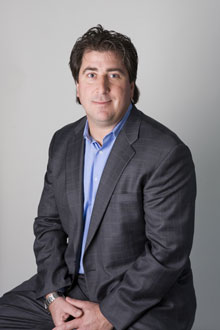
Matthew Tucker, RecycleBank
Addressing the Local Authority Recycling Advisory Committee's (LARAC) annual conference in Liverpool last week (October 8), RecycleBank president Matthew Tucker said that local authorities needed to engage residents and tap into people's “love of loyalty cards”.
Mr Tucker outlined the operation of the American system – which is currently being trialled in the Royal borough of Windsor and Maidenhead in the UK and is in operation in a large number of US cities – but he stressed that it was “not a silver bullet” for councils looking to improve their recycling performance.
Detailing other goals for councils, Mr Tucker said: “Create goals for your community, have real solid goals that will motivate behavioural change. You can think of major goals and you don't need RecycleBank to do this, you can do a lot of this on your own. You need to engage your residents right now.”
“We can't just put out a flyer anymore and expect that everyone is going to do what we expect them to do,” he added.
RecycleBank is proving increasingly popular in political circles, with shadow environment secretary Nick Herbert singling out the scheme for praise at the Conservative Party conference earlier last week (see letsrecycle.com story).
Web Movements
Outlining the need to capture people's willingness to recycle, Mr Tucker suggested that councils use the “global phenomenon” of web movements. He said that this could include the creation of forums for residents to discuss recycling or set ‘dares' for each other to improve their recycling.
He said: “People look for instant change and it is possible but not sustainable and web movements allow incremental moves. It may just start with putting up a petition but it is going to achieve something much greater in the long run.”
“[Web movements] ask for smaller changes over time, every one of these things are things that you could be doing in your local authorities. If they are already on their soapbox for recycling you need to capture that advocacy and transfer that to the other residents of your council,” added Mr Tucker.
Mr Tucker pointed to examples such as the Livestrong campaign which aimed to raise awareness of testicular cancer and Barack Obama's presidential campaign which had gained considerable momentum online.
In addition, Mr Tucker suggested establishing ‘tiers' to grade the performance of particular neighbourhoods and advocated highlighting poor performing areas to encourage them to improve.
He also claimed that it would be relatively inexpensive for councils to take mobile phone numbers of residents and send text messages to explain recycling initiatives in their area.
Popularity
In the Q&A session after his speech, Jon Rolls of real-nappy campaign Go Real questioned whether a system that rewards people for the amount of waste they recycle is unnecessarily driving consumption of more virgin products.
Dismissing this claim, Mr Tucker said that company was working hard to establish partners with green credentials, which would mean that residents redeemed products from more sustainable sources.
Mr Tucker also explained that the firm was currently gearing up to the launch of the second council trial of the system on October 19 in the Cheshire council of Halton (see letsrecycle.com story).

Register for free to comment