


Alice Roberts on secondment from LGA
She has been replaced by Tony Ripley, who is also on secondment from his position at Defra, and a spokesman for the LGA said Mr Ripley would be continuing Ms Roberts’ work to improve and encourage recycling while she is gone.
Mr Ripley has significant experience of working with local government and a wealth of experience in the waste sector. His most recent role at Defra was as the temporary programme manager for the Waste Infrastructure Delivery Programme, having previously led the Environmental Services Efficiency Programme, where he was tasked with enabling councils’ achievement of £299 million of efficiency gains in waste management and street cleansing. Mr Ripley intends to focus on finance, the impact of Landfill Tax on councils, PFI contracts and packaging waste and he will be working closely with the media to promote a “positive understanding of waste issues among the media and public”.
The spokesman said that moving from Defra to the LGA would not cause a conflict of interest for Mr Ripley: “The secondment should work to the advantage of both organisations in developing Tony’s understanding of how Defra policy works in councils, and taking that understanding back to Defra policy-making when he returns.”
New collection scheme for East Devon
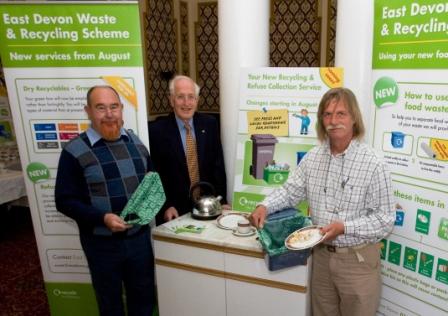
East Devon district council has introduced food waste and plastic bottle collections in the first of five phases to change its waste and recycling services.

In a bid to achieve a 50% recycling rate by 2010, 12,000 homes in the east of the district have been issued with two new plastic containers for food waste and also a wheeled bin for residual household waste, and residents are now able to recycle plastic bottles in their green box. Collected food waste will be transported to an anaerobic digester in Holsworthy, where it will be mixed with animal waste before being turned into electricity for the national grid.
Councillor David Cox, portfolio holder for StreetScene, said: “A huge amount of work and planning has gone into preparing for the launch of this improved service. Due to the scale of the scheme, there may be a few teething problems at first, but we hope to keep these to a minimum.”
Axion champion plastic dry cleaning
Plastic recycling firm Axion Recycling has championed dry cleaning technology as a highly-effective and environmentally-beneficial method for cleaning contaminants off mixed plastics.
Having conducted trials using the German Pla.to dry cleaning system, the Manchester-based company claims that adoption of the technology could lead to “significantly greater recycling” in the UK as there is no need for a dirty-water effluent treatment plant as there is with wet washing technology. The firm praised the economical advantages of the technology, saying that it had previously been a hindrance for smaller companies.
Keith Freegard, technical director at Axion, said: “This has to be good news for boosting this type of recycling and reducing the amount of mixed plastics waste needlessly going to landfill.”
CRNS appoint chief executive
The Community Recycling Network for Scotland has appointed Pauline Hinchion as its new chief executive.
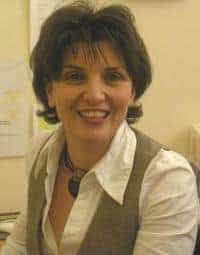
Currently chief executive of social enterprise FEAT Enterprises in Fife, which specialises in mattress recycling, Ms Hinchion was a founding member of the CRNS and has previously chaired the CRNS, having also been director of the Recycling Advisory Group Scotland. Succeeding Iain Gullard, Ms Hinchion will take the role in September or early October and intends to help drive forward the community recycling sector’s efforts in creating a Zero Waste society.
Ms Hinchion said: “I am delighted to be offered the post of chief executive of the CRNS and I would like to acknowledge the great job my predecessor did. With a Scottish Government commitment to Zero Waste and a 70% recycling target, in the next couple of years the CRNS is going to be working hard to ensure that they are fully met.”
WyeCycle carry out 1000th collection
Not-for-profit community business WyeCycle is to carry out its 1000th consecutive weekly kerbside collection on September 1.
Founded in 1989, the East Kent community project provides a range of waste reduction services in the parishes of Wye and Brook, such as multi-material kerbside collections, community composting, trade waste services, furniture reuse and biodiesel production. Having previously introduced kerbside collection for kitchen waste, fortnightly residual waste collections and direct charging for garden waste before they were available nationwide, Wyecycle has helped reduce residual waste levels to 260 kg per household per year.
Richard Boden, founder and coordinator of WyeCycle, said: “We are delighted to have reached this milestone, and are equally pleased to see the methods we follow – which for many years were described by experts as ‘unworkable’ and ‘unrealistic – now becoming standard practice.”


Register for free to comment