


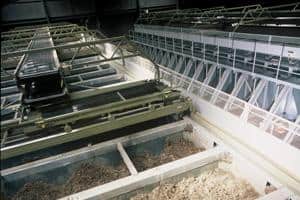

The facility will be able to process 14,000 tonnes of green and food waste a year, producing around 8,000 tonnes of compost for used in horticulture by the end of this year.
To feed the plant, Verdia expects to bid for local authority green waste treatment contracts and source material from the private sector.
The £1.5 million plant and equipment will be supplied by TEG and includes 24 units of the company's Silo Cage technology, which is already used around the UK.
TEG's chief executive Mick Fishwick said: “Our joint venture with Glendale offers us the opportunity to develop a new revenue stream, to gain a foothold in the higher value horticultural sector and to work with an expert and market leader in the area. Verdia has an exciting future and we hoped this is the first of many such plants to be developed over the coming years.”
He added: “The construction of yet another TEG Silo Cage plant is further endorsement of our technology and we look forward to opening the first TEG plant in the South West region.”
Demand
The Exeter plant is one of six to eight “medium scale” composting facilities Verdia is planning to develop in the UK over the next 2-3 years to meet growing demand for composting facilities.
Verdia claim that the amount of biodegradable municipal waste requiring diversion away from landfills will triple by 2020 under government targets, to an estimated 28 million tonnes.
Glendale managing director Nick Temple-Heald said: “Our joint venture with TEG is part of Glendale's strategic plan to develop its diverse suite of green services to local authorities and the commercial sectors.”
“This new facility provides the opportunity to expand our recycling activities within the rapidly developing UK composting market,” he added.


Register for free to comment