

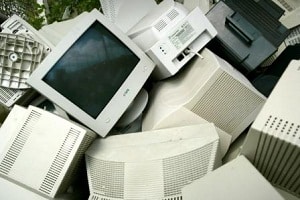
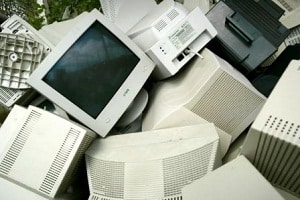
The export of used electrical and electronic equipment to the developing world should be stopped until countries such as Nigeria and Ghana have recycling infrastructure in place to deal with it when it reaches end of life.
That was the message from some UK waste electrical and electronic equipment (WEEE) reprocessors at a parliamentary event in London yesterday (October 26) which sought to address the issue of illegal exports of waste.
Speaking at the Associate Parliamentary Sustainable Resource Group Putting The Bins Out event, the managing director of West Midlands-based WEEE reprocessor Overton Recycling, Dean Overton, questioned the practice of sending equipment for reuse to the developing world.
What are we doing sending these items to the developing world? Its great if they get recycling facilities but at the moment they dont, he said.
His sentiments were echoed by Sean Feeney, managing director of environCom which runs the UKs largest WEEE reprocessing facility at Grantham in Lincolnshire, who explained that his company had decided not to send any of the electrical equipment it identified as fit for reuse outside the EU.
You cant stop all the problems all the time but I dont want to send things where theres no market for it, he said, asking whether stopping all exports could incentivise the development of recycling plants in countries with major markets for reuse.
However, the University of Northamptons waste expert, Dr Margaret Bates, warned against any blanket ban on exports of used electrical equipment to the developing world. She explained that millions of people in Nigeria rely in electronics reuse for their livelihoods, adding that you cant underestimate the impact of second hand ICT on the developing world.
I think we need to be very careful that we dont solve our problem by creating a larger problem, Dr Bates said. And, she noted: If we did stop sending perfectly functioning goods they will just buy stuff from outside Europe.
Instead, Dr Bates called for increased efforts to develop WEEE recycling infrastructure in the developing world which could be used to deal with WEEE regardless of where it came from.
She said that, in Nigeria, manufacturers are working with government to help find a solution with UK recyclers involved as well to develop domestic recycling capacity there. We need to help them to find a solution with what happens with their ICT at the end of its life.
Environment Agency
Also speaking at the event, Chris Smith, national intelligence manager at the Environment Agency, acknowledged that many illegal exports are being made under the guise of fit for reuse.
But, he cautioned against trying to address the issue once material had reached the developing world, and instead said the Environment Agency was seeking to stop illegal waste exports before they even left the UK.
The whole illegal waste export industry shifts on a daily basis, if we start developing a waste recovery facility which will cost money, supply will dry up overnight and itll go somewhere else. The trick is we need to stop it at source, he said.
Mr Smith acknowledged that the Environment Agency did not know the exact amount of WEEE being illegally exported to the developing world, but noted that the more we have looked, the more we find.
He claimed that the Agencys intelligence-led approach to tackling the problem was paying dividends, with four successful prosecutions already, two in court and another nine in progress.
Describing cutting off the supply of waste to illegal operators as key, he said: UK authorities consider the illegal export of electronic waste to be a significant threat to the legitimate market and regard countering this as a priority.
He added: This is a global problem with environmental consequences and whats required is a joined-up approach through the exchange of information and intelligence. We need to identify the risk and allocate the appropriate resources and then we will get compliance.
WEEE recast
Yesterdays event also heard an update on progress towards agreeing the recast of the EU WEEE Directive from David Styles, a member of the green economy team at the Department for business, innovation and skills who is responsible for handling negotiations on the revision of the legislation.
The European Parliaments environment committee agreed its first reading position on the recast earlier this month (see letsrecycle.com story) and Mr Styles said the process was now at a crucial stage.
The member state position and the parliament position are sufficiently far apart that we have to go into the process of arbitration which is taking place right now, he explained. The parliament, commission and member states who are represented by the presidency – which is Poland – are trying to work out a deal.
He admitted there were a number of areas where we have problems but noted that the question of how to tackle illegal shipments wasnt an area where there were deep disagreements.
What were trying to do is to make sure we get a deal where we can close any loopholes down but which is also easy to administer and also allows for legitimate export of electronics for reuse and recycling, he said.
Mr Styles said he expected to receive proposals on an agreement from the EU presidency by the end of this week, with the arbitration process continuing until Christmas and then some kind of deal coming after Christmas.
The next step, he explained, would be to consult on the regulations needed to implement the recast Directive, which he expected to happen in late spring 2012.
But, he raised the potential for this consultation to look beyond implementing the recast. Well not just look at implementing the existing directive, but look at the way the WEEE system works in the UK and try to improve it. Were hoping to deal with some of the problems around data.

Register for free to comment