


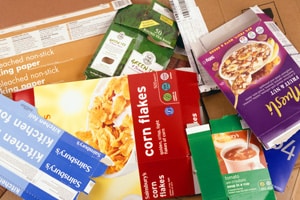
An increase in the use of electronic devices and online shopping is changing the flow of fibre coming into the recovered paper sector and affecting the quality of recyclate, according to DS Smith Recycling.
The comments came from Dr Jim Malone, European sales and purchasing director at the paper recycling firm, who said there is a reduction of graphic paper in the supply chain as a result of more people reading newspapers and magazines on electronic devices.
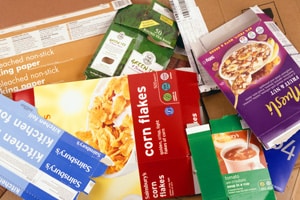
Dr Malone said that while this created challenges at a time when volumes of recovered paper are falling and demand for paper is rising, there are opportunities in Central and Eastern Europe to capture more material.
Speaking at the Profiting with Paper Recycling in Europe conference in Warsaw, Poland today (October 30), Dr Malone said: It is changing the flow of fibre through the market, with less graphic paper and more corrugated ending its journey in the domestic recycling stream. This presents new collection opportunities and challenges in harvesting this section of the fibre stream.

‘An important issue is that paper and packaging passing through the domestic channel often gets mixed with other recyclate and this creates new challenges on the quality front.’
Dr Jim Malone, DS Smith Recycling
An important issue is that paper and packaging passing through the domestic channel often gets mixed with other recyclate and this creates new challenges on the quality front.
DS Smith said most commentators predict global consumption of paper and board will increase by over 100 million tonnes in the next 14 years with much of this coming from the packaging and tissue sectors.
Opportunities
One of the main opportunities available to the recovered fibre sector, according to DS Smith, is to harvest material from countries with lower recycling rates, such as those in Central and Eastern Europe. However, the paper firm adds that there still needs to be a high focus on quality to ensure fibre remains within the recycling loop.
Dr Malone explained: One concern is that while the overall European recycling rate has been increasing over the last 20 years the actual total volume available to collect has been in decline since 2007. But there is a real opportunity to use the models developed in countries with high recycling rates to boost recycling in countries with less developed collection systems.
Increased global demand for fibre and the changing patterns of supply will impact on the paper recycling industry. Central and Eastern Europe provides good opportunities to increase recycling and we should work together to develop and implement an infrastructure appropriate to the needs of individual countries.
Related Links
Dr Malone added that paper recycling will always have a major part to play in improving resource efficiency throughout Europe as well as providing employment opportunities which will help boost economies throughout the continent.

Register for free to comment