

While not intended as a comprehensive “stand-alone” guide, it gives examples of health and safety concerns that should be considered. These include the risks posed by transport, machinery, dust, noise and fire.
Picking
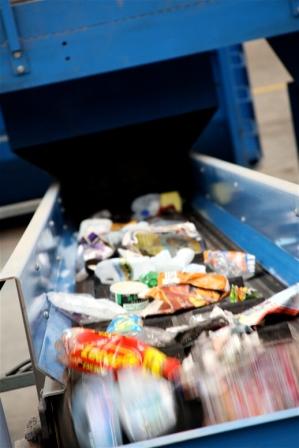
In particular, the document identifies considerations which need so be made for pickers, who hand-sort recyclable material. These include making sure that conveyor belts are designed so that workers do not need to excessively bend or reach, the belts do not operate too fast and there is adequate lighting.
Picking cabins are also recommended to reduce worker exposure to hazards such as noise, excessive dust and moving vehicles. The document also notes that these enable economic heating to also be provided for staff.
Other points highlighted in the guidance include the importance of carrying out risk assessments, as required under the Management of Health and Safety at Work Regulations 1999 – and of protecting staff from moving vehicles.
It says: “It is vitally important to segregate pedestrians from moving plant and vehicles – pedestrian/vehicle collisions are the biggest single cause of fatalities at recycling premises.”
Fire
On the topic of fire, the guidance states that there is a risk of fire “in many MRFs” depending on what they handle, and that paper and timber can ignite readily, while plastics and rubber give off toxic smoke.
Sources of ignition are identified as: poorly installed equipment; smoking; batteries; ‘tramp' metal which finds its way into moving machinery and causes localised hot spots; and, poorly controlled hot work such as burning or welding.
The guidance also notes that some materials, such as rubber crumb, have been reported to have ignited spontaneously and that paper and other cellulose-based materials have reportedly been known to self-heat and ignite “where stocks are so large that the heat cannot radiate safely”.


Register for free to comment