


The Hand sorting of recyclables (totting) with vehicle assistance document focuses on the role of vehicles in delivering waste prior to totting – the manual removal of materials direct from waste streams without the use of a picking line or other dedicated recycling plant. It also looks at the risks posed by mobile plant used throughout.
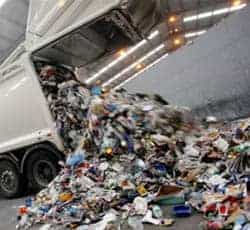
Totting can include the routine removal of waste items that result from recycling plant blockages,the removal of plastics from green waste and the removal of recyclable materials from mixed or partially segregated waste on the floor of a waste transfer station.
The HSE said there was a history of accidents involving pedestrians and vehicles which are almost always serious’ and sometimes fatal.
The guidance states: The most serious risk associated with totting is a collision between a vehicle (eg lorry) or mobile plant (eg mechanical shovel) and a pedestrian (eg totter). Such collisions are almost always serious and can be fatal.
Accidents happen because working practices have failed to achieve effective segregation of moving vehicles from pedestrians.
WISH
The guidance was developed in consultation with stakeholders from the waste sector who sit on the Waste Industry Safety and Health (WISH) Forum.
Commenting on the why the guidance was published Chris Jones, chair of WISH, told letsrecycle.com: “If we look at the accident statistics for the industry for this kind of activity over the last six or seven years we can see there have been a number of fatalities. This number has been increasing partly because the level of this kind of activity has also been increasing. The activity can be done safely but having large vehicles and equipment operating in close proximity to workers is always going to carry risks.”
The HSE reported that between 2001/02 and 2009/10 there were a total of 57 fatalities in the waste management and recycling industry caused by being hit by a moving vehicle, averaging six people a year both employees and members of the public.
Mr Jones added: “The document is very much aimed at small and medium-sized businesses and is very much a communication of the practical experiences of the larger operators. Its built on real experiences and we hope that its part of the bigger players in the industry helping the whole industry improve its game.”
A spokesman for the HSE told letsrecycle.com that the guidance was reviewed and updated as part of its on-going review process. The updated version, published on the HSE website in June, supplemented the original document with more practical examples, which had been requested by the industry.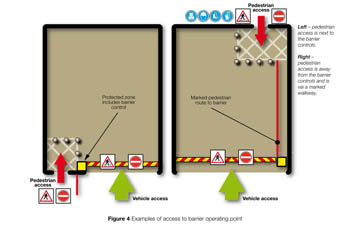
Measures
The guidance was developed in consultation with stakeholders from the waste sector who sit on the Waste Industry Safety and Health (WISH) Forum. It states that the most effective way to eliminate workplace transport risks is through the use of a materials recycling facility (MRF).
However the HSE said if totting is still required, other measures can be taken to reduce the risk of accidents. These include:
- Segregating all vehicles and mobile plant from pedestrians, so far as is reasonably practical;
- Ensuring all drivers (including temporary and agency staff) are trained and competent to use the vehicles and are fully familiar with safe system of work used with pedestrian workers;
- Ensuring all totters wear personal protective equipment and are adequately trained;
- Ensure all totters keep to the recognised safety zones when vehicles are operating in the totting area;
- Maintain two way communications between drivers and pedestrians using two-way radios of clear hand signals.
Layout
Related Links
The layout of, and access to, totting areas features heavily in the guidance which offers practical solutions for the waste and recycling industry on how best to keep pedestrians and vehicles separate. This includes the use of separate access points for vehicles and pedestrians, the provision of a safety zone and suitable signage.
Slips and trips, hygiene and welfare are also other environmental hazards including dust and fume levels are also covered in the guidance.


Register for free to comment