

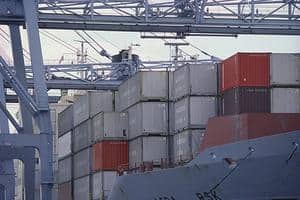
Waste exporters have questioned the assertion that recycling exclusively in the UK is better for the environment than sending waste overseas, following comments from a major retailer last week.
On Thursday (February 7) the John Lewis Partnerships operations manager for recycling and waste, Mike Walters, outlined the companys aim to see all of its waste recycled in the UK (see letsrecycle.com story).
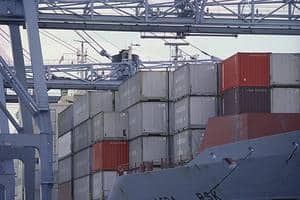
According to John Lewis, recycling all of the waste it generates in the UK enables it to retain ownership and to ensure that the most appropriate disposal method is used.
But, exporters have countered these claims, arguing that the majority of the waste recycled in China is done to the highest environmental standards.
Paul Briggs, director of one of the largest recovered paper exporters in the UK, Mark Lyndon Paper Enterprises, argued that retailers are happy to buy products from the Far East, but questioned why a bias exists against recycling in the region. Mark Lyndon Paper supplies Lee & Man Paper Manufacturing in China.
He said: There is no problem with people selling waste anywhere they want to, but I object to the idea that recycling waste in the UK is necessarily more environmentally friendly than exporting it abroad.
While many retailers say they do not want their waste being sent to the Far East, they already do a lot of business there importing cheap goods for sale. I think it is safe to assume that they do a good job of ensuring their products manufactured abroad are made to a high standard with good environmental controls, so why cant they do the same with waste exports?
Manufacturing
Mr Briggs added that currently there is very little manufacturing output in the UK, which means that the majority of the demand for material comes from countries like China, where products are being made.
He said: Those goods come in packaging which needs to be recycled, but if the containers they came in are going back from the UK empty, that is not being environmentally friendly.
Meanwhile, Dr Simon Ellin, chief executive of the Recycling Association, said that despite bad press, much of the material sent abroad is recycled in state of the art facilities.
‘The transfrontier shipment regulations are – if anything – stricter than any quality requirements for sending waste to a facility in this country.’
Dr Simon Ellin, the Recycling Association
He said: I strongly disagree with the inference that export of material is a bad thing. People see a lot of scare stories of waste ending up on a landfill site somewhere, but it is actually done in an incredibly controlled manner, in state of the art mills. The transfrontier shipment regulations are if anything stricter than any quality requirements for sending waste to a facility in this country.
You cant escape the fact that there is only the capacity to process 45% of the UKs waste paper domestically, and while I would love to see everything processed in this country, the commercial reality is that this simply isnt possible.
Demand
The view was also echoed by Raj Iqbal, managing director of Milton Keynes-based exporter Choice Waste Management, who argued that until recyclers have demand from a strong domestic manufacturing sector, waste exports will continue to be necessary.
He said: Somehow the material needs to go to the manufacturer, which is either in scrap form, or as a raw material, it is still being exported. When more manufacturing starts in the UK, it will make a lot more sense to reprocess all of that material in the UK.
And, according to Malcolm Fawkes, managing director of Kent-based waste paper trading company Malcolm Fawkes Agencies Ltd, the idea that end uses of waste products are harder to track in China and India, than the UK is xenophobic.
He said: Chinese paper and board mills have far more state-of-the-art cleaning equipment than some of ours which are almost prehistoric by comparison. Possibly they could improve UK employment far more in buying more products here than the infinestimal gain in employment in the recycling industry.


Register for free to comment