


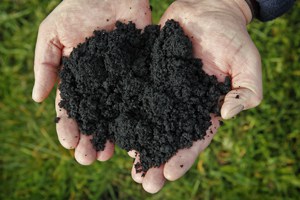
The trials will include the use of digestate in energy cropping on post-industrial land and as an organic matter to improve existing soils.
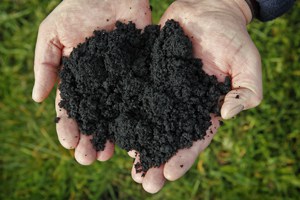
Digestate is the end product of the anaerobic digestion (AD) process, which in its liquid form looks similar to slurry. It can be applied to land as a bio-fertiliser, or with other organic materials to provide a source of nutrients and improve soil quality. At present it can be used on land to grow a variety of crops including grass, wheat and barley. However the spreading of digestate is heavily regulated.
WRAP said a key objective of the trials is to provide users with practical guidance for spreading digestate based on clear, robust evidence and commercially tested methods of applications. In addition, it said it hopes the trials will increase opportunities for producers by building confidence in the use of the material.
Commenting on the trials Ian Wardle, head of organics and energy from waste at WRAP, said: It is important that we find new markets for this useful, nutrient-rich product. Along with agriculture, the landscape and regeneration sectors are significant potential markets for digestate. These trials will provide evidence to support the use of digestate in landscape and regeneration applications, giving users the information and confidence they need to consider using the material in the future.
Trials
A number of field experiments and demonstration trials will examine the viability of using digestate in a number of ways. The trials are set to run for two years, until March 2014, and will include:
- Sports turf and turf production – Field trials will assess the use of the liquid fraction of digestate as a bio-fertiliser on sports turf such as golf course fairways, football pitches and in commercial turf production. They will compare the use of digestate against standard fertilisers and establish the practical and commercial impacts of using digestate.
- Energy crop trials – Field trials will use digestate to establish energy crops such as miscanthus and reed canary grass on brownfield sites across England, Scotland and Wales. The trials will examine the effect on the yield and quality of the harvested crop, as well as the practical and cost impacts of using digestate in this way.
- Soil improvement and soil manufacture – These trials will assess whether digestate can be blended with other materials to manufacture or improve in-situ soils. The trials will cover a variety of end uses such as habitat creation, amenity grassland, sports fields, allotments and woodland.
WRAP said that there is extensive evidence to suggest that compost can be blended with other materials to manufacture soils, however little research has been carried out for the use of digestate in this manner.

Subscribe for free