


However, ongoing concerns over the potential risks posed by treated wood mean that the protocol will, initially at least, only cover untreated wood.
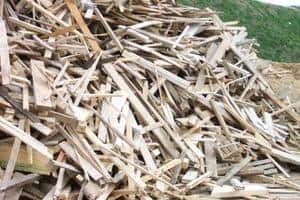
This is important because it will mean that quality products made from recovered wood – such as animal bedding – would no longer be subject to waste legislation.
Earlier in the year, the project had encountered problems for the second time around due to concerns over the risk that treated wood could pose to human health and the environment (see letsrecycle.com story).
But, during a quarterly meeting of the Wood Recyclers' Association (WRA) in Birmingham on Wednesday (November 24), Julia Turner from WRAP told members that the project would be proceeding, but around narrower parameters.
She said: “There was a positive meeting on October 26. It was agreed that the Quality Protocol work will continue but will be focused on untreated wood waste for use in biomass, animal bedding, mulches/landscaping production and treated wood waste for panelboard.”
Ms Turner, who is sector specialist for wood and energy from waste at WRAP, said that the waste protocols team was now looking at how to define untreated wood waste as it did not fit into existing categories and that once data had been gathered, it would be run through a risk assessment process. The development of the protocol is being overseen by a Technical Advisory Group (TAG).
Ms Turner said: “There is a TAG meeting convened for December 13. The overall target is to proceed to UK consultation with the draft Quality Protocol by early Spring 2011.”
‘Other level'
WRA secretary Peter Butt, who attended the October 26 meeting, hailed the development as an important step in raising the profile of the wood recycling industry. The WRA has been pushing for the standard since 2006 (see letsrecycle.com story).
There is no doubt that a Quality Protocol is something to go for
Peter Butt, WRA
He said: “From my perspective once something ceases to be treated as a waste things get easier for operators. It also puts our industry on a whole other level. There is no doubt that a Quality Protocol is something to go for.”
He added that once the protocol was in place, there would be scope to extend it to cover lower grades of wood, commenting: “We have a commitment to set up a roadmap to see what we can do to extend this Quality Protocol beyond its original tight parameters”.
Also at the meeting, WRA technical advisor Toby Beadle, who updated members on the biomass market (see letsrecycle.com story), welcomed the fact that the protocol has been “rekindled” but said it was a “shame” that grade C wood used for fuel would be initially excluded.
Standard
Alongside the development of the Quality Protocol, and to complement it, Ms Turner said that work on developing a quality standard for waste wood – known as the PAS111 – had been resurrected.
However, unlike the Quality Protocol, she explained that this would cover all grades of waste wood.
“BSI has now recommenced work on the PAS111 with a focus on both treated and untreated waste wood”, she said. “This should be published by the end of March 2011. A draft is currently being updated, with a public consultation in January 2011.”
Speaking to letsrecycle.com, Ms Turner said she was pleased with the progress that had been made in getting both the Quality Protocol and PAS111 off the ground.
She said: “It is crucial to this industry that both the PAS and a QP get taken forward to recognise the quality of the products being produced with recycled wood.”


Subscribe for free