

Wood recyclers in England are reporting a rise in gate fees as they struggle to offload waste wood due to biomass and chipboard plant shutdowns.

Although rises in waste wood stockpiles and gate fees are common over the summer months due to a declining demand for feedstock, some wood recyclers have suggested the problem is more acute than in previous years.
Wood recyclers have been increasing gate fees over the last couple of months, with fees reaching as high as 65 for low grade wood in some parts of South England.
One wood recycler in the South of England also told letsrecycle.com that he expected prices of lower grade waste wood to continue to rise over the next month or two due to a lack of demand for the material.
Recyclers in Northern England, meanwhile, are seeing gate fees as high as 40 and many recyclers are being forced to increase stockpiles of material as they struggle to offload waste wood volumes.
One wood recycler in the North West of England told letsrecycle.com that plant shutdowns at several biomass plants and had added to the pressure to increase gate fees in England.
He said: Yes it is seasonal, but it gets very acute and it is worse than most years. It will right itself and start to ease off towards the end of the year, as it usually does. But until UK consumption increases, this will be a common feature of the market.
While there is increased demand for heat and power in the UK during the winter as well as a higher demand for feedstock in export markets such as Sweden biomass and chipboard plants can shutdown or decrease output over the summer making it harder for wood recyclers to offload waste wood.
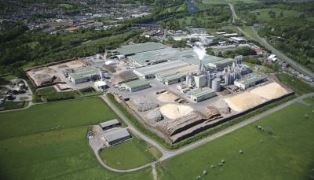
The North West wood recycler added that biomass plants such as E.Ons Stevens Croft facility in Scotland; UPMs Shotton plant in North Wales; and Kronospans facility in Chirk, near Wrexham had all been taking in less waste wood over the summer months.
Furthermore, wood recyclers are still awaiting the opening of biomass facilities such as RWE npowers 400,000 tonnes per year capacity plant at Markinch in Fife and E.Ons 270,000 tonnes per year capacity Blackburn Meadows plant, which are both in their commissioning phase.
Egger
Several wood recyclers also noted the market impact of the temporary closure of chipboard manufacturer Eggers biomass facility in Hexham after it was hit by a fire in May 2013 (see letsrecycle.com story).
Although the Egger biomass plant is only supplied with waste wood from its own wood recycling subsidiary, Timberpak, the lack of waste wood processed at Hexham can have a knock-on effect on the market elsewhere as there is more competition for capacity.
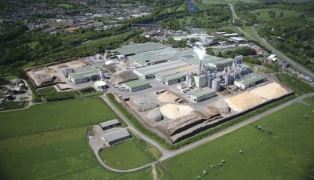
The Hexham plant is still not back online, although a spokeswoman for Egger said the firm was continuing its internal investigations into the incident and that a commissioning phase for the plant was planned for the near future.
The Egger spokeswoman said: We are keeping our suppliers up-to-date with regards to timelines for restarting biomass operations.
Mark Hayton, operations director at Timberpak Eggers wood recycling arm attributed the rise in gate fees and stockpiling to seasonal trends, but said that gate fees needed to continue to increase.
He told letsrecycle.com: Gate fees are on an upwards trend but they need to be as they have been too low for too long. Processors of waste wood need to understand that there is a cost associated with dealing with this waste, especially when often it isnt segregated at source. We need segregation as far back in the supply chain as possible.
WRA
However, Peter Butt, executive director of the Wood Recyclers Association (WRA), said any change in waste wood volumes and gate fees was largely due to trends usually seen in the summer months.
‘Demand for wood comes in the winter mainly for biomass, panelboard and exports, whereas stockpiles tend to be higher at this time of year.
Peter Butt, WRA executive director
He told letsrecycle.com: I dont think this is particularly unusual I am not surprised to be hearing this.
To be honest, at this time of year there is little going on as there is a marked seasonal change in demand for stock levels. Demand for wood comes in the winter mainly for biomass, panelboard and exports, whereas stockpiles tend to be higher at this time of year.
In comparison, he highlighted the situation in August 2011 when wood recyclers in the North West of England were forced to stockpile wood following a fire at Sonaes Knowsley chipboard factory (see letsrecycle.com story).
Mr Butt added: We had an extreme situation a couple of years ago with the fire at Sonae helping to send gate fees rocketing, but that isnt what is happening here.
Scotland
Conversely, wood recyclers in Scotland have been experiencing low to zero gate fees for some time due to larger biomass capacity in the country leading to increased competition for waste wood. In some cases, recyclers even pay to take waste wood from suppliers.
Yet, several wood recyclers in Scotland are also stockpiling wood in anticipation of the opening of energy firm RWE npowers biomass plant in Markinch in Fife, which had been due to begin operating earlier this year.
No date has been set for its opening, but Markinch is set to be the UKs largest biomass facility, requiring 400,000 tonnes per year of waste wood feedstock, 50% of which is to be supplied by SITA UK under a 50 million contract (see letsrecycle.com story).
Dundee-based company DJ Laing is one of the recyclers stockpiling ahead of the opening of the nearby Markinch facility, for which it has a contract to supply waste wood.
Speaking to letsrecycle.com, DJ Laing business development manager, Ian Flaherty, said that with low gate fees in the country, the firm has been focusing on animal bedding and equine markets, while also storing more waste wood than usual due to the situation with the Markinch plant.
He said: One of the biggest issues at the moment is that the margins are just so tight. You have to have your eye on the ball to make sure things run properly. There is no gate fee around 12-18 months ago it was around 12-15, but now it is barely anything.

Subscribe for free